What Does a Heat Press Do
A heat press lets you transfer vibrant, long-lasting designs onto fabrics and other materials using consistent heat and pressure. You’ll place a printed design on the material, then apply controlled heat and pressure to bond the image firmly. It works great for customizing t-shirts, hats, and promotional items with various techniques like vinyl or sublimation. If you want to get the best results and explore different types and uses, there’s plenty more to discover about how these machines work.
Key Takeaways
- A heat press applies heat and pressure to transfer designs onto materials like fabric or plastic.
- It activates adhesives in transfer papers or vinyl for durable, vibrant custom prints.
- The machine ensures consistent temperature and pressure for precise, high-quality transfers.
- Heat presses are used to personalize apparel, promotional items, and various custom products.
- Proper maintenance and control of settings prevent damage and ensure optimal transfer results.
Understanding the Basics of a Heat Press
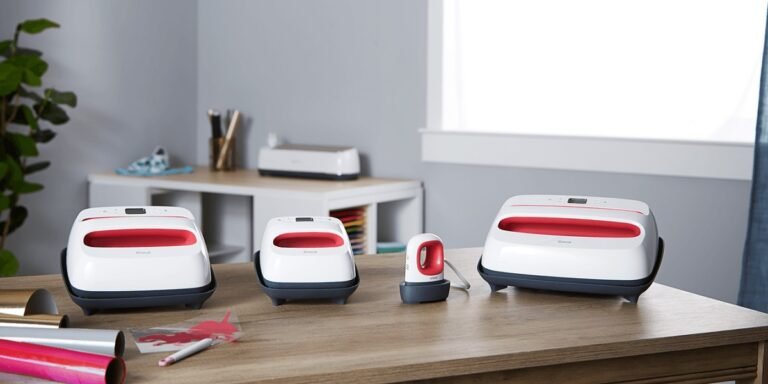
A heat press is a machine that uses heat and pressure to transfer designs onto various materials like fabric or ceramic. When you use one, you place a design—often printed on special transfer paper—on your chosen surface. The heat press then applies consistent heat and pressure for a set amount of time, causing the design to bond firmly to the material. You’ll find that controlling temperature, pressure, and timing is essential for a quality transfer. This process guarantees vibrant colors and durability, making it popular for custom apparel, mugs, and more. By understanding these basics, you can confidently create professional-looking results without guesswork, whether you’re making personalized gifts or starting a small business.
Types of Heat Press Machines
Once you understand how heat presses work, it helps to know that there are different types designed for specific tasks. The most common is the clamshell press, which opens like a clam and is great for beginners due to its simple operation and space-saving design. Swing-away presses let you move the upper platen away completely, offering more room and reducing the risk of accidental burns—ideal if you work with thicker materials. Then, there are draw presses with a sliding lower platen, which makes positioning your items easier. For larger projects or bulk orders, a large-format press can handle bigger items like blankets or multiple shirts at once. Choosing the right type depends on what you’ll be pressing and how much space you have.
How Heat Presses Transfer Designs
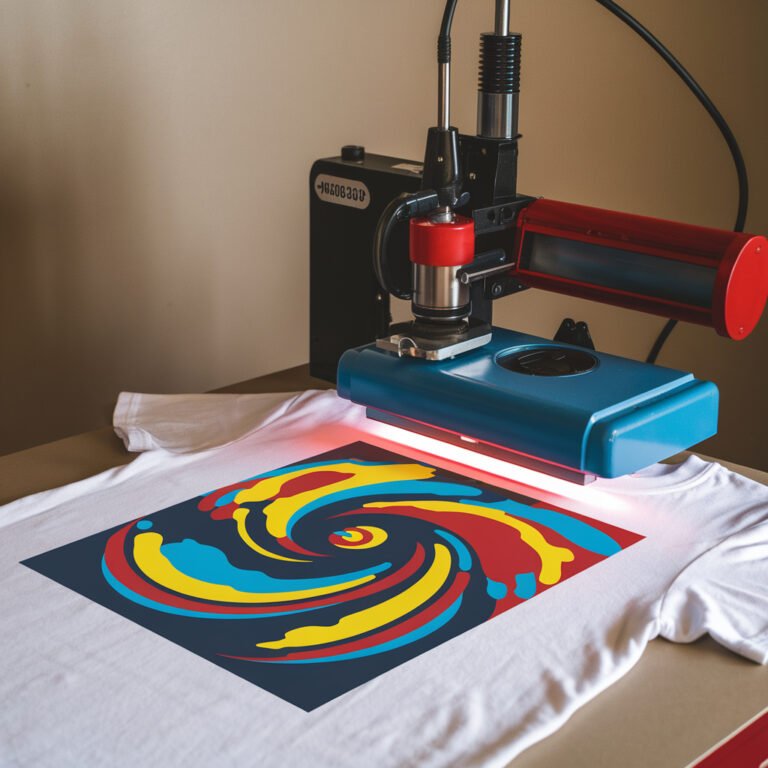
Understanding how heat presses transfer designs can help you achieve better results with your projects. A heat press uses a combination of heat, pressure, and time to imprint designs onto your chosen surface. When you place your design—often a heat transfer vinyl or transfer paper—between the heat platen and the material, the heat activates the adhesive on the design. The pressure guarantees it bonds firmly to the fabric or item. Timing is essential; too little or too much can affect the quality of the transfer. By controlling these factors, the heat press guarantees your design adheres smoothly and lasts longer. Once the process is complete and the material cools, the design becomes a permanent part of your project, giving you professional-looking results every time.
Materials Suitable for Heat Pressing
When using a heat press, you’ll want to choose the right materials to get the best results. Common fabrics like cotton and polyester work well, but specialty transfer papers can expand your options. Just be careful with heat-sensitive materials, as they need specific settings to avoid damage.
Common Fabric Choices
Several fabric types work well with a heat press, but knowing which materials suit your project can save you time and guarantee better results. Cotton is the most popular choice because it withstands high heat and pressure, producing vibrant, long-lasting designs. Polyester is another common option, especially for sportswear; it requires lower temperatures to avoid damage but offers excellent durability. Blends like cotton-polyester combine the best of both worlds, though you’ll want to adjust your heat press settings carefully. Besides these, fabrics like nylon and canvas can also be pressed, but they often need special attention to temperature and time to prevent scorching. Avoid materials like leather or delicate synthetics unless you’re experienced, as they may not react well to heat pressing. Choosing the right fabric is key to a successful transfer.
Specialty Transfer Papers
Choosing the right specialty transfer paper can make all the difference in how your design turns out with a heat press. You’ll find various types designed for different surfaces and effects, so picking one that matches your project is key. For example, some papers work best on light fabrics, while others are tailored for dark materials or even hard surfaces like wood or ceramic.
| Transfer Paper Type | Best For |
|---|---|
| Standard Inkjet Paper | Light-colored fabrics |
| Dark Fabric Transfer | Dark or colored garments |
| Sublimation Paper | Polyester and coated items |
Heat-Sensitive Materials
Because heat pressing relies on temperature and pressure to transfer designs, not every material can handle the process. You’ll want to choose heat-sensitive materials that respond well to these conditions without melting, warping, or burning. Common options include cotton, polyester, and blends, which are durable and absorb heat transfers effectively. Fabrics like nylon or vinyl might not be suitable unless specifically designed for heat pressing, as they can melt or distort. When selecting materials, consider their heat tolerance and texture to guarantee the design adheres properly. Using compatible materials helps you achieve vibrant, long-lasting prints while protecting your fabric. Always check the manufacturer’s guidelines for temperature and pressing time to avoid damaging your items during the heat press process.
Common Applications of Heat Presses
You’ll find heat presses are perfect for adding designs to apparel like t-shirts and hats, making customization quick and easy. They’re also great for personalizing promotional items such as bags and mugs to boost brand visibility. Let’s explore how these common uses make heat presses so versatile.
Apparel Decoration Techniques
Heat presses transform plain garments into personalized statements by applying vibrant designs with heat and pressure. You can decorate apparel using several popular techniques, like heat transfer vinyl (HTV), which involves cutting designs from vinyl sheets and pressing them onto fabric. Another method is sublimation, where dye turns into gas under heat, embedding full-color images directly into polyester fibers for a smooth, durable finish. You might also use printed transfer paper, where inkjet or laser prints are pressed onto fabric, perfect for detailed images or photos. Additionally, foil transfers add shiny, metallic accents to your designs. Each technique lets you customize t-shirts, hoodies, hats, and more, giving you endless creative options to make your apparel stand out with professional-quality results.
Promotional Item Customization
Beyond apparel, heat presses are perfect for customizing a wide range of promotional items that help businesses and events stand out. You can easily personalize products like mugs, hats, and mousepads to create unique giveaways or branded merchandise. Using heat transfer techniques, you’ll add logos, slogans, or artwork seamlessly and with professional quality. This versatility makes heat presses invaluable for marketing and event promotions.
| Item Type | Suitable Material | Common Uses |
|---|---|---|
| Mugs | Ceramic | Corporate gifts, giveaways |
| Hats | Cotton/polyester | Sports teams, brand events |
| Mousepads | Rubber/fabric | Office promotions, tradeshow |
| Keychains | Plastic/metal | Souvenirs, brand awareness |
With a heat press, your promotional items get a sharp, durable finish every time.
Step-by-Step Heat Press Operation
Getting started with a heat press is simpler than you might think. To operate it effectively, follow these steps:
- Preheat your heat press to the required temperature for your material.
- Place your item (like a t-shirt) on the lower platen, ensuring it’s flat and wrinkle-free.
- Position your transfer paper or design face down on the item.
- Close the heat press and lock it in place, applying firm pressure.
- After the set time, lift the press and carefully remove the transfer paper.
Tips for Achieving Perfect Heat Press Results
Once you’ve mastered the basic steps of operating your heat press, fine-tuning your technique can make all the difference in the final result. First, always preheat your material to remove moisture and wrinkles, ensuring smooth transfers. Use consistent pressure—too light, and the design won’t adhere; too heavy, and you risk damaging the fabric or transfer. Timing is essential; follow the recommended heat and duration for your specific transfer type. Don’t forget to regularly clean your platen to prevent residue buildup that can affect prints. Finally, perform test presses on scrap fabric to dial in settings before working on your final piece. With these tips, you’ll achieve vibrant, long-lasting results every time you use your heat press.
Advantages of Using a Heat Press
Using a heat press offers several key advantages that can elevate your crafting or business projects. It simplifies the transfer process, ensuring consistent, professional-quality results every time. You’ll save time with quick heat and pressure application, allowing you to produce more items efficiently. Plus, it works with various materials and transfer types, giving you creative flexibility. Here’s what you’ll appreciate most:
- Precise temperature and pressure control for flawless transfers
- Faster production compared to traditional ironing methods
- Durable, long-lasting designs that withstand washing
- Versatility to customize t-shirts, mugs, hats, and more
- Easy to use, even if you’re new to heat transfer
With these advantages, a heat press can boost your crafting success and business productivity.
Maintenance and Care for Heat Press Machines
Proper maintenance keeps your heat press running smoothly and extends its lifespan. To start, always clean the heat platen after each use with a soft cloth to remove residue and prevent buildup. Avoid abrasive materials that can damage the surface. Regularly inspect the machine for loose screws or worn parts, tightening or replacing them as needed. Lubricate moving parts according to the manufacturer’s guidelines to guarantee smooth operation. Keep the temperature sensor calibrated for accurate heat settings, which helps prevent damage to your materials. Store your heat press in a dry, dust-free environment when not in use to protect its components. By following these simple steps, you’ll maintain consistent performance and avoid costly repairs down the line.
Frequently Asked Questions
Can a Heat Press Be Used for 3D Objects?
Yes, you can use a heat press for some 3D objects, but it depends on their shape and size. Flexible or flat surfaces work best; however, irregular or bulky items might not get even heat or pressure.
How Long Does a Heat Press Machine Typically Last?
A heat press machine typically lasts around 5 to 10 years with proper care. If you maintain it well, clean it regularly, and avoid overusing it, you’ll get the most out of its lifespan and performance.
Are Heat Press Machines Safe for Children to Use?
Heat press machines aren’t really safe for children to use on their own because they get extremely hot and can cause burns. If kids want to help, make sure you supervise them closely and explain all safety rules first.
What Is the Average Electricity Consumption of a Heat Press?
A heat press typically consumes between 800 to 1500 watts per hour. Your exact electricity use depends on the machine’s size, temperature, and duration, so always check your specific model’s specifications for accurate estimates.
Can a Heat Press Be Used for Food-Related Applications?
You generally shouldn’t use a heat press for food-related applications because they’re designed for materials like fabric or vinyl. Using it for food could be unsafe and unsanitary unless you have a dedicated, food-safe press.
Conclusion
Now that you know what a heat press does, you’re ready to turn your ideas into wearable art with ease. Like a magician’s wand, a heat press transforms plain materials into vibrant creations through heat and pressure. With the right machine, materials, and technique, you’ll achieve flawless designs every time. Keep practicing, maintain your press well, and watch your creativity stick like glue—making your projects truly stand out.