Can You Heat Press on 100 Cotton
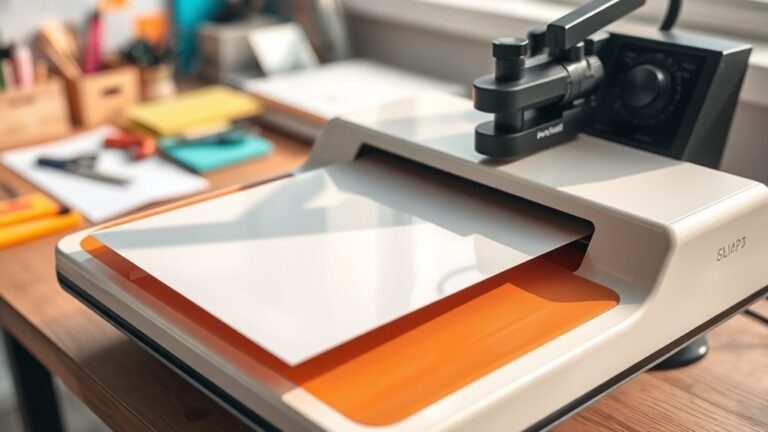
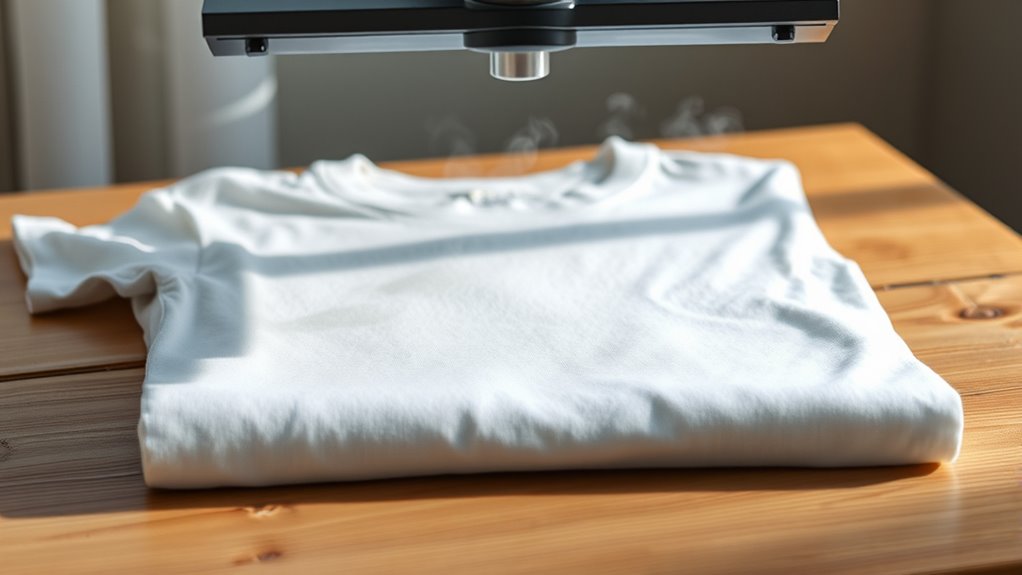
Yes, you can heat press on 100% cotton and achieve vibrant, long-lasting designs. Cotton is an excellent fabric for heat pressing because it holds ink well and provides a smooth surface for transfers.
Using the right temperature and technique ensures professional-quality results every time.
Set your heat press between 350°F and 375°F for about 10 to 15 seconds with medium to firm pressure. Always protect your fabric with a parchment or Teflon sheet to avoid scorching.
Make sure to pre-press your garment to remove moisture and wrinkles before applying your design.
Following these tips will help you create durable, sharp, and colorful prints on 100% cotton. Keep going to discover how to perfect your heat press technique on cotton for the best outcome.
Key Takeaways
- Yes, 100% cotton is suitable for heat pressing due to its ability to handle high temperatures without damage.
- Use temperatures between 350°F and 375°F with medium to firm pressure for 10-15 seconds for optimal results.
- Always pre-press cotton garments for 3-5 seconds to remove moisture and wrinkles before applying designs.
- Use protective sheets like parchment or Teflon to prevent scorching and ensure even heat distribution.
- Choose compatible transfer materials like Heat Transfer Vinyl (HTV) or plastisol, avoiding sublimation transfers on cotton.
Can You Heat Press on 100% Cotton?
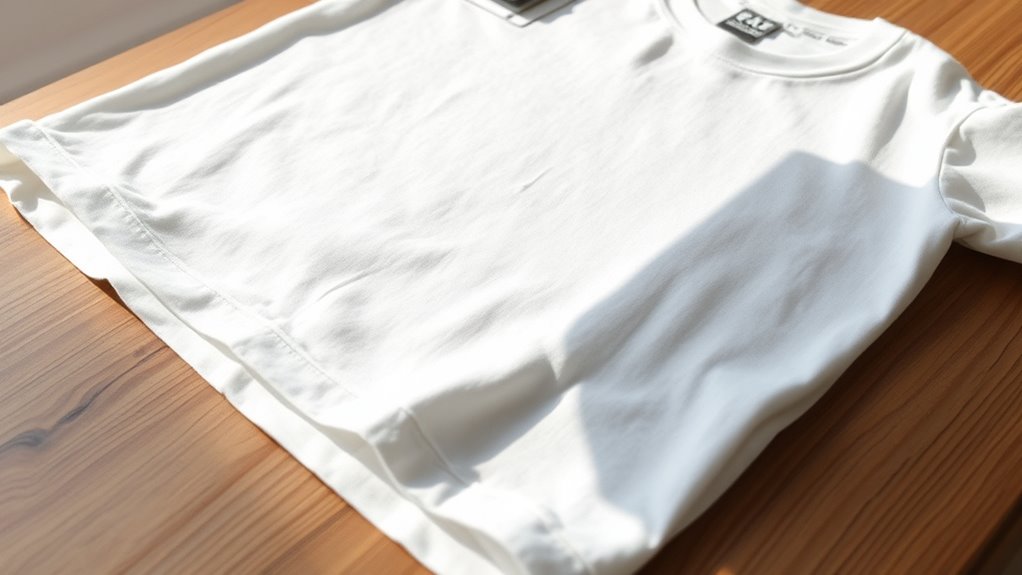
Although cotton fibers are sensitive to heat, you can definitely heat press on 100% cotton if you use the right temperature and timing. When you apply too much heat, you risk scorching or shrinking the fabric, but with careful control, you’ll get great results.
Typically, setting your heat press between 350°F and 375°F works well for cotton materials. You’ll want to press for about 10 to 15 seconds to ensure the design adheres properly without damaging the fabric. Using a protective sheet like parchment paper can help prevent any scorching or imprint marks.
What Is Heat Pressing and How Does It Work on Cotton?
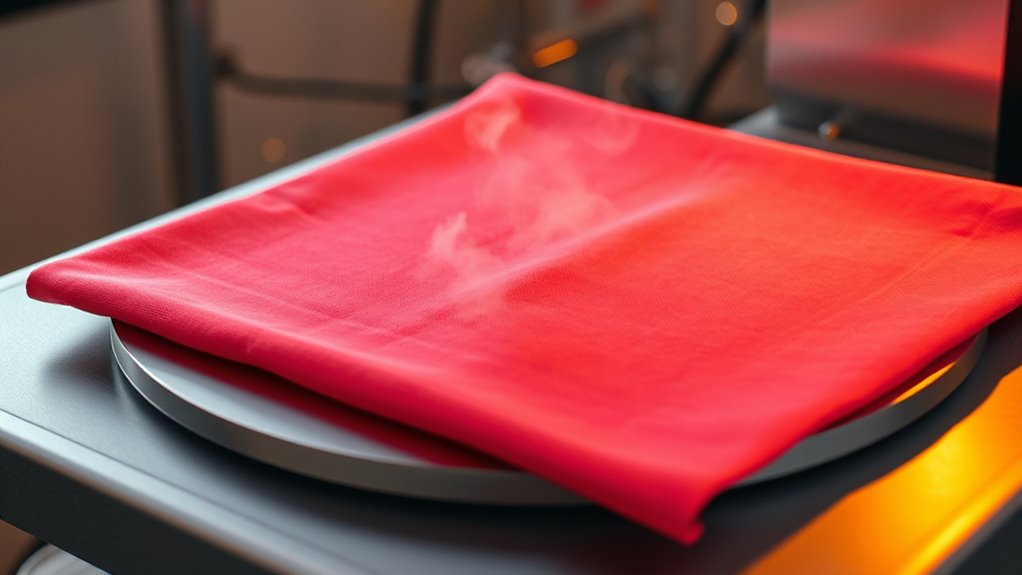
Heat pressing uses heat and pressure to transfer designs onto fabric, making it a popular technique for customizing cotton garments. You’ll find cotton works well because it can handle high temperatures without damage.
Understanding how heat pressing interacts with cotton helps you get the best results every time.
Heat Pressing Basics
When you apply intense pressure and controlled heat to 100% cotton fabric, you activate the fibers’ ability to bond with inks, adhesives, or vinyl designs. Heat pressing uses a specialized machine that combines heat and pressure for a set time, guaranteeing your design adheres firmly and lasts long. The heat softens the cotton fibers, allowing the design to embed deeply rather than just sit on the surface.
Pressure helps the transfer material make close contact with the fabric, preventing bubbles or peeling. Timing matters; too little won’t set the design, too much can scorch the cotton. By mastering these basics, you assure crisp, durable prints that withstand washing and wear, making heat pressing an effective method for customizing cotton garments.
Cotton Fabric Compatibility
How well does cotton respond to heat pressing? Cotton is actually one of the best fabrics for heat pressing because it handles high temperatures well without melting or warping. When you apply heat and pressure, the fibers in cotton open up, allowing the ink or transfer material to bond effectively.
This creates vibrant, durable designs that withstand multiple washes. However, you’ll want to avoid excessive heat or pressure, which can scorch or damage the fabric. Using a heat press at around 350°F (175°C) for 10-15 seconds usually works best for 100% cotton.
Just make sure to use a protective sheet to prevent direct contact with the transfer. Overall, cotton’s natural fiber structure makes it highly compatible with heat pressing, giving you reliable and long-lasting results.
Why Is 100% Cotton Popular for Heat Pressing Projects?
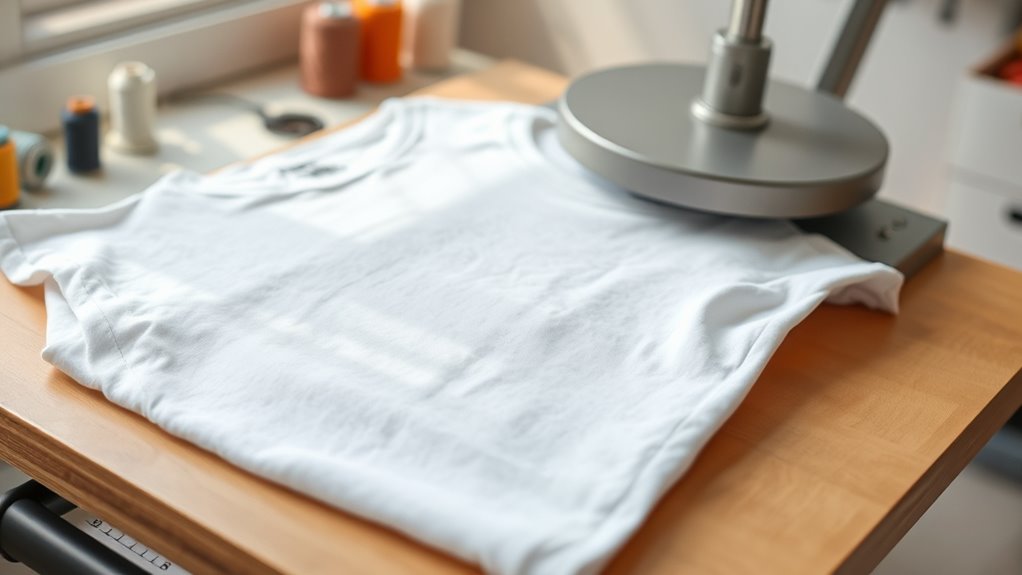
Because cotton fibers respond well to heat and pressure, you’ll find 100% cotton is a favorite choice for heat pressing projects. Cotton’s natural fibers absorb heat evenly, allowing transfers to adhere smoothly and last longer. You’ll appreciate how cotton’s breathable, soft texture remains comfortable even after pressing, making it ideal for apparel and home décor.
Plus, cotton is durable and withstands repeated washing without significant fading or damage to your design. Its affordability and wide availability mean you can easily source quality cotton fabric for any project. When you work with 100% cotton, you get reliable results, vibrant colors, and a professional finish.
This combination of performance and comfort explains why many people prefer cotton for heat press applications.
Which Heat Transfer Materials Work Best on 100% Cotton?
Which heat transfer materials deliver the best results on 100% cotton? You’ll find that heat transfer vinyl (HTV) and plastisol transfers work exceptionally well. HTV adheres smoothly and offers vibrant colors with a durable finish, making it ideal for cotton fabrics.
Plastisol transfers also bond strongly, providing a soft feel and lasting washability. Sublimation, however, doesn’t work on cotton since it bonds only with polyester fibers. If you want detailed designs, screen-printed transfers can be a good choice, as they fuse well with cotton.
Avoid materials that require extremely high temperatures or long pressing times, as they may scorch or damage cotton fibers. Sticking to HTV and plastisol ensures you get sharp, lasting designs without compromising the fabric’s quality.
How to Prepare 100% Cotton Garments Before Heat Pressing
Before you start heat pressing on 100% cotton garments, you’ll want to make sure they’re clean and wrinkle-free for the best results. Proper preparation helps the heat transfer adhere smoothly and prevents unwanted marks or imperfections.
Ensure cotton garments are clean and wrinkle-free for smooth heat transfer and flawless results.
Follow these steps to prepare your cotton garment:
- Wash and dry the garment without fabric softener to remove oils and residues that can affect adhesion.
- Iron out wrinkles thoroughly, especially in the area where you’ll apply the transfer. A flat, smooth surface ensures even pressure.
- Pre-press the garment for 3-5 seconds to eliminate any moisture and further flatten fibers. This step reduces puffiness and improves transfer quality.
Taking these steps guarantees a professional finish every time you heat press on cotton.
Best Temperature Settings for Heat Pressing 100% Cotton
When you heat press 100% cotton, setting the right temperature is essential to guarantee the transfer adheres properly without damaging the fabric. Typically, you’ll want to set your heat press between 350°F and 375°F (175°C to 190°C). This range ensures the heat activates the adhesive on your transfer paper efficiently while preserving the cotton’s fibers.
Avoid temperatures above 400°F, as excessive heat can scorch or shrink the fabric. Always check the instructions specific to your transfer material, but this temperature window works well for most standard heat transfers on cotton. Remember, consistent temperature is just as important as the right setting, so allow your machine to fully reach the desired heat before pressing your garment.
How Long to Heat Press Pure Cotton Fabrics
You’ll want to set the heat press time carefully to avoid damaging your cotton fabric. Pressing too long can cause scorching or fading, while too little time might not transfer the design properly.
Let’s look at the ideal duration to get the best results on 100% cotton.
Optimal Time Settings
Although cotton can withstand high heat, pressing it for too long can scorch the fabric or cause colors to fade. To get the best results when heat pressing 100% cotton, you need to nail the timing. Here’s a simple guide to help you:
- Standard Heat Pressing: 10 to 15 seconds at 375°F (190°C) usually works well for most cotton garments.
- Thicker Fabrics: Increase time slightly to 15 to 20 seconds, but avoid going over 20 seconds to prevent damage.
- Delicate Prints: For heat-sensitive designs, keep it short—around 8 to 10 seconds—and test on a scrap piece first.
Heat Press Duration Effects
Getting your timing right is just one part of mastering heat pressing on 100% cotton. If you press too briefly, the transfer won’t fully adhere, causing peeling or fading. On the other hand, pressing for too long can scorch the fabric, leading to yellowing or weakened fibers.
Typically, you’ll want to set your heat press for about 10 to 15 seconds at the recommended temperature, usually around 350°F (177°C). However, always check your transfer paper’s instructions. Consistency is key, so use a timer to avoid guesswork.
Ideal Pressure Settings for Cotton Heat Pressing
How much pressure should you apply when heat pressing 100% cotton? Getting the pressure right is crucial for a crisp, lasting design without damaging the fabric. Here’s what you need to know:
- Medium Pressure: Apply medium pressure—firm enough to transfer ink or vinyl, but not so hard that it bruises or stretches the cotton fibers.
- Adjust Based on Material Thickness: Thicker cotton garments require slightly more pressure, while thinner ones need less to avoid imprint marks.
- Test and Calibrate: Always perform a test press on a scrap piece or inconspicuous area to fine-tune your pressure settings for consistent results.
How to Protect Cotton From Scorching During Heat Pressing
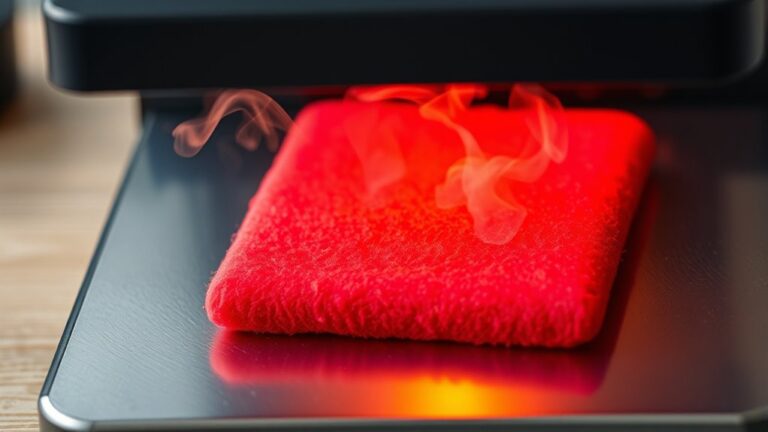
Why does cotton scorch so easily during heat pressing? Cotton fibers are natural and sensitive to high temperatures, which can cause browning or burning if you’re not careful. To protect your cotton fabric, always use a heat press cover sheet or a thin Teflon sheet between the heat platen and the fabric.
This barrier helps distribute heat evenly and prevents direct contact that leads to scorching. You should also adjust the temperature and pressing time according to the fabric’s tolerance—lower heat and shorter pressing durations reduce the risk. Additionally, avoid overheating by checking the heat press’s calibration regularly.
Finally, pre-press your cotton garment briefly to remove moisture, as damp fabric can scorch faster. These steps keep your cotton looking fresh and damage-free.
Common Mistakes in Heat Pressing 100% Cotton (And How to Avoid Them)
Protecting cotton from scorching is just one part of successful heat pressing. To get the best results, you need to avoid these common mistakes:
- Using the wrong temperature and time settings – Too much heat or pressing time can damage fibers. Always follow recommended settings for 100% cotton.
- Skipping the pre-press step – Pre-pressing removes wrinkles and moisture, ensuring a smooth surface for your design.
- Not using a protective sheet – Place a Teflon sheet or parchment paper between the heat press and your cotton garment to prevent scorching and sticking.
Troubleshooting Faded or Peeling Designs on Cotton Heat Presses
If your designs start to fade or peel after heat pressing, it usually means something went wrong during the process. First, check your temperature and pressing time. Too much heat or pressing too long can damage both the fabric and design.
Conversely, insufficient heat or time can prevent proper adhesion. Make sure you’re using the right transfer paper and that it’s compatible with 100% cotton. Poor-quality or incorrect materials often cause peeling.
Also, verify your heat press applies even pressure; uneven pressure creates weak spots where designs may lift. Finally, always peel the transfer sheet at the recommended temperature—peeling too soon or too late can affect the design’s durability. Adjusting these factors will help you avoid faded or peeling results on your cotton garments.
Caring for Heat-Pressed 100% Cotton Garments
Even though heat-pressed designs on 100% cotton are durable, you’ll want to follow specific care instructions to keep them looking fresh. Proper care prevents fading, cracking, or peeling of your design.
Heat-pressed cotton designs are durable but need proper care to avoid fading, cracking, or peeling.
Here’s how to maintain your heat-pressed garment:
- Wash inside out in cold water using a gentle cycle to protect the design.
- Avoid bleach and fabric softeners, as they can weaken the adhesive and fabric.
- Air dry or tumble dry on low heat to prevent heat damage to the design.
Frequently Asked Questions
Can Heat Pressing Damage the Fibers of 100% Cotton Over Time?
Yes, heat pressing can weaken 100% cotton fibers over time if you use too much heat or press for too long. You should always follow recommended temperature and time settings to protect your fabric’s integrity.
Using excessive heat or prolonged pressing can cause the fibers to break down and lose strength. This may lead to fading, thinning, or damage in the cotton fabric.
To maintain the quality of your cotton, it’s important to use the correct heat press settings and avoid overexposure to high temperatures.
Is It Safe to Heat Press on Colored 100% Cotton Fabrics?
Yes, you can safely heat press on colored 100% cotton fabrics if you use the right temperature and pressure settings. Always test a small area first to avoid color fading or fabric damage during your project.
This will help ensure the best results and protect your fabric. Adjust your heat press settings based on the fabric’s specific needs. Proper care will keep your projects looking vibrant and intact.
Can You Heat Press Cotton Blends the Same Way as 100% Cotton?
You can heat press cotton blends just like 100% cotton, but you’ll need to adjust temperature and time carefully. You’ll want to avoid scorching, preserve fabric integrity, and guarantee your design adheres perfectly every time.
What Types of Heat Press Machines Are Best for Cotton Fabrics?
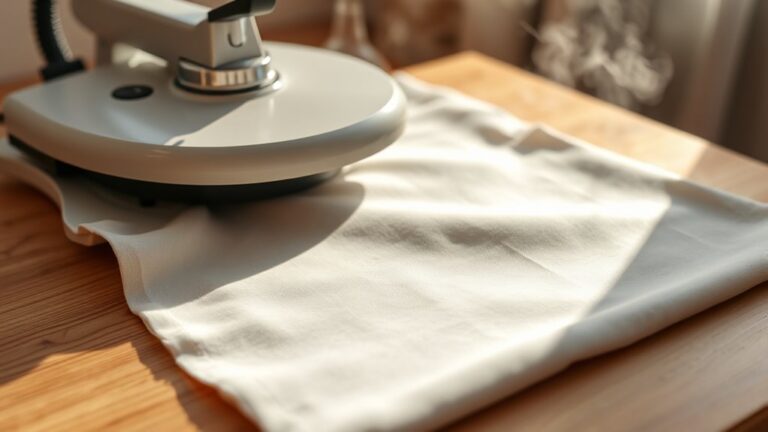
You’ll want a heat press machine with adjustable temperature and pressure settings, like a clamshell or swing-away model. These give you control to avoid scorching cotton, ensuring crisp, vibrant designs every time you press.
How Does Humidity Affect Heat Pressing on 100% Cotton?
Humidity affects how your heat press bonds with 100% cotton by causing moisture retention, which can lead to uneven adhesion or wrinkles.
You’ll want to adjust temperature and time settings to guarantee smooth, effective pressing every time.
Conclusion
Heat pressing on 100% cotton is like painting on a fresh canvas—you just need the right touch. With proper preparation, the right materials, and careful heat settings, your designs will stick beautifully without scorching or fading.
Avoid common pitfalls by protecting the fabric and following best practices. Treat your cotton garments well, and your heat-pressed creations will stay vibrant and durable. Using the right heat press on 100% cotton ensures your designs remain sharp and long-lasting, ready to wear and impress for a long time.