Can You Heat Press Felt
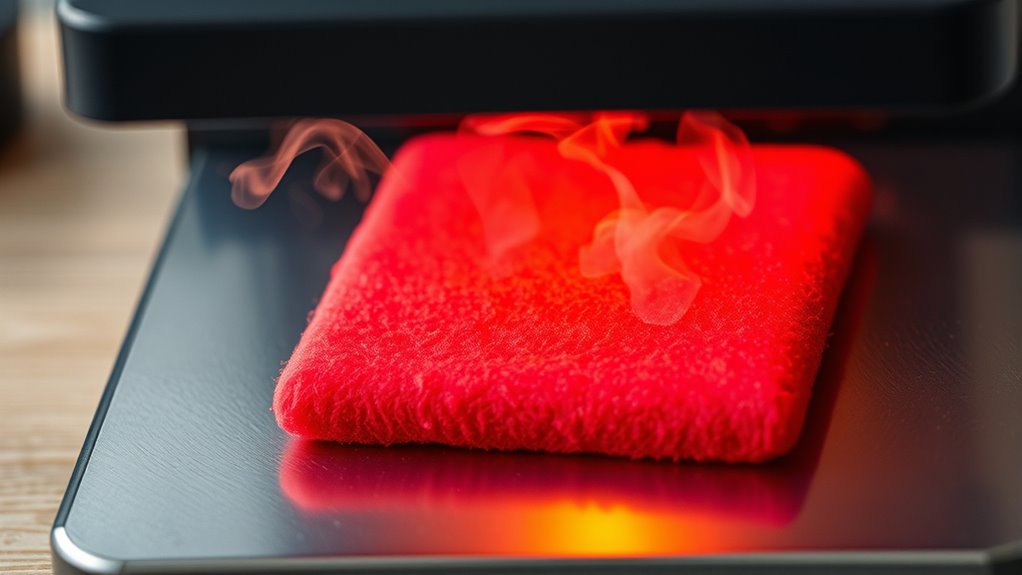
Yes, you can heat press felt safely by carefully controlling the temperature, pressure, and time. Heat pressing felt is a popular technique for crafting, but it requires attention to detail to avoid damaging the material.
Maintaining the right conditions ensures your felt projects turn out beautifully without scorching or warping.
Keep your press between 250°F and 275°F, use low to medium pressure, and limit pressing to 10-15 seconds to prevent shrinking.
Wool felt handles heat better than synthetic felt, so choose your material wisely for best results.
Testing on scrap felt first helps you find the perfect settings.
If you want to make your felt projects stand out, there’s more to discover about the process and materials.
Experimenting with different felts and heat press techniques can unlock new creative possibilities.
Key Takeaways
- Felt can be heat pressed but requires careful temperature and pressure control to avoid shrinking, warping, or scorching.
- Wool felt tolerates heat better than synthetic felt, which may melt or distort under high temperatures.
- Maintain heat press temperature between 250°F and 275°F with low to medium pressure for 10-15 seconds for best results.
- Always test on a small felt scrap first and use a protective Teflon sheet or parchment paper during pressing.
- Felt thickness between 1.5mm and 3mm is ideal to ensure proper heat transfer without damaging the material.
How Heat Pressing Affects Felt
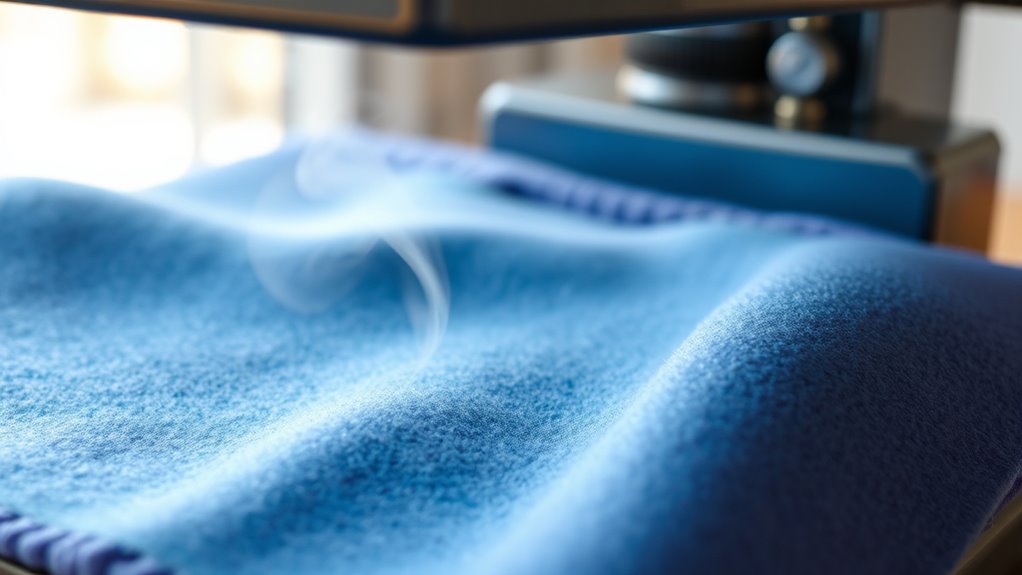
Although felt is a versatile fabric, heat pressing affects it differently than other materials. When you apply heat, the fibers in felt can compress or distort, changing its texture and shape. Unlike woven fabrics, felt is made by matting fibers together, so it’s more sensitive to temperature and pressure.
If you press too long or use too much heat, the felt might shrink or develop unwanted marks. You’ll notice that some felts, especially wool-based ones, respond better to heat pressing, while synthetic felt can melt or become misshapen. To protect your project, you need to understand these reactions and adjust your heat press settings accordingly.
This guarantees you maintain felt’s unique look and feel without damaging it.
Can You Heat Press Felt Without Damaging It?
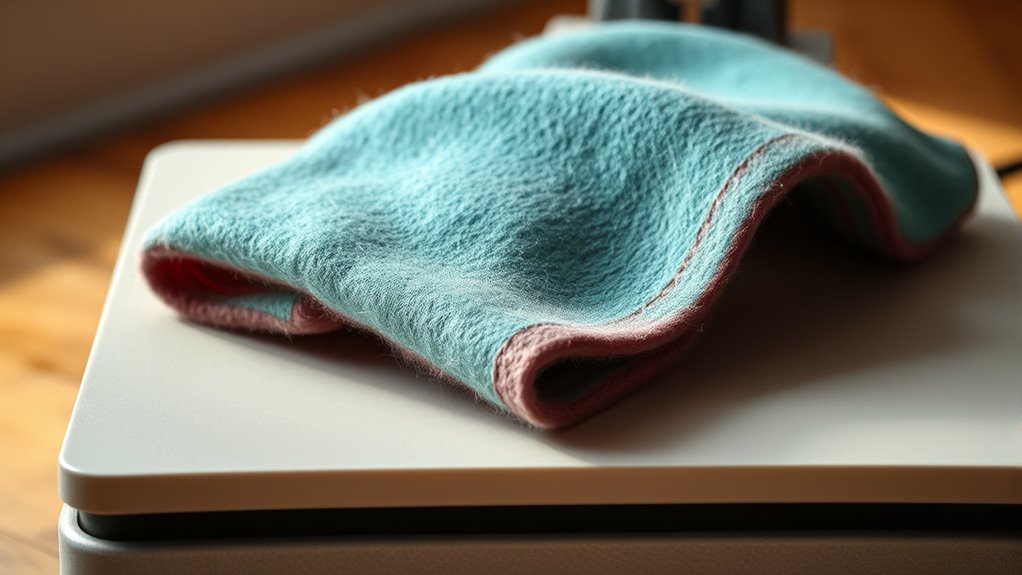
If you want to heat press felt without damaging it, you need to carefully control the temperature, pressure, and pressing time. Felt is sensitive to high heat, so keep the temperature between 250°F and 275°F to avoid scorching or melting. Use low to medium pressure to prevent flattening the texture or causing permanent creases.
Limit your pressing time to 10-15 seconds to reduce the risk of heat damage. Always test a small scrap piece first to see how it reacts. Additionally, place a Teflon sheet or parchment paper between the felt and the heat press to protect the fabric’s surface.
Choosing the Right Felt Type for Heat Pressing
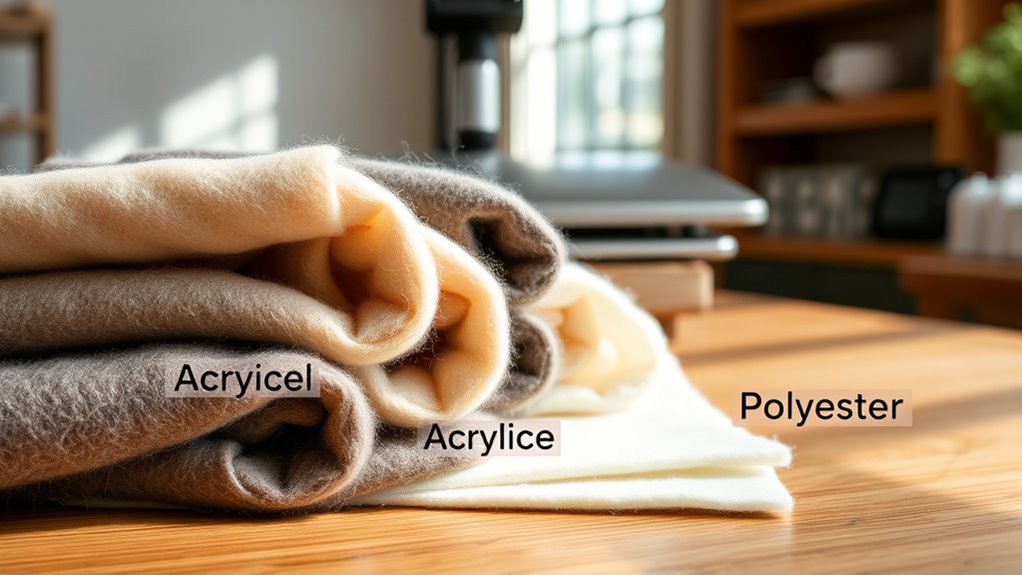
When choosing felt for heat pressing, you’ll want to think about the type of felt fabric and its thickness. Different felts respond uniquely to heat, so picking the right one can prevent damage.
Understanding these factors helps you get the best results without ruining your material.
Types Of Felt Fabrics
Since felt comes in various types, choosing the right one for heat pressing is essential to achieve the best results. You’ll encounter wool felt, synthetic felt, and blended felt. Wool felt offers durability and natural resistance to heat, making it a solid choice.
Synthetic felt, often made from polyester or acrylic, can melt or warp if exposed to high temperatures, so be cautious. Blended felt combines both fibers, balancing heat resistance and affordability. When heat pressing, you want a felt that won’t easily distort or lose its texture.
Wool or high-quality blends usually hold up better under heat. Avoid cheap synthetic felts, as they may shrink or bubble. Knowing these types helps you pick felt that withstands your heat press without damage or loss of quality.
Felt Thickness Considerations
Although felt thickness varies widely, choosing the right thickness is essential for heat pressing success. Thicker felt can cushion the heat, potentially preventing proper adhesion, while thinner felt may scorch or warp under high temperatures.
Aim for felt between 1.5mm and 3mm thick for the best results; this range balances durability with heat transfer efficiency. If your felt is too thick, try lowering the heat or increasing pressing time to ensure the design sticks without damaging the fabric.
Conversely, for thinner felt, reduce the temperature and pressing duration to avoid burns. Always test a small piece before committing to a full project. By considering felt thickness carefully, you’ll guarantee your heat press designs come out crisp and long-lasting every time.
How to Prepare Felt for Heat Pressing
To prepare felt for heat pressing, you’ll want to start by making certain the fabric is clean and free of any dust or debris that could interfere with the adhesive process. Lay your felt flat on a heat-resistant surface and smooth out any wrinkles or folds. If the felt is thick, consider trimming it slightly to fit your heat press or project dimensions.
Place a protective sheet, like a Teflon sheet or parchment paper, over the felt to prevent scorching or sticking. Pre-press the felt for a few seconds to remove any remaining moisture and flatten the fibers. Finally, align your design carefully on the felt, securing it with heat-resistant tape if needed, to avoid any shifting during pressing.
This preparation ensures a clean, crisp transfer.
Best Temperature and Time Settings for Felt
When you heat press felt, choosing the right temperature and time is essential to avoid damaging the fabric or your design. Felt is sensitive to heat, so set your press between 270°F to 300°F (132°C to 149°C). Pressing at higher temperatures risks melting or warping the felt’s fibers.
Keep the pressing time short—around 10 to 15 seconds—to prevent scorching or puckering. Use medium pressure rather than heavy to maintain the fabric’s texture. Always test a small scrap of felt first to fine-tune your settings.
Once you find the sweet spot, you’ll get clean, crisp results without compromising the felt’s integrity. Remember, patience and careful adjustment are key when working with this delicate material.
Best Heat Transfer Materials and Techniques for Felt
When heat pressing felt, choosing the right transfer material is key to getting a clean, lasting design. You’ll want to use materials like vinyl or special heat transfer paper designed for delicate fabrics.
Applying even pressure and using a protective sheet can help you avoid damaging the felt while ensuring the design sticks well.
Ideal Heat Transfer Types
Although felt’s texture and thickness can pose challenges, you’ll find that certain heat transfer materials work exceptionally well with it. Heat transfer vinyl (HTV) designed for textured fabrics is a top choice, as it adheres firmly without compromising the felt’s softness. Adhesive-backed felt sheets also pair nicely, creating layered effects without melting or warping.
Sublimation isn’t ideal since felt isn’t polyester-based, so stick with vinyl or adhesive types. Foil and flock heat transfers can add unique textures and shine, but you’ll need to test small areas first to avoid damage. Overall, flexible, low-temperature HTVs tailored for delicate fabrics give you the best results, ensuring your designs stay vibrant and intact on felt surfaces.
Effective Application Techniques
Choosing the right heat transfer materials is only part of the process; applying them correctly guarantees your design looks professional and lasts. When working with felt, use a lower heat setting to avoid scorching. Apply firm, even pressure and press for 10-15 seconds.
Always protect the felt with a Teflon sheet or parchment paper to prevent damage. Let the transfer cool before peeling the backing to ensure adhesion.
| Material Type | Temperature (°F) | Press Time (seconds) |
|---|---|---|
| Heat Transfer Vinyl | 305 | 10-15 |
| Sublimation Paper | 350 | 15 |
| Glitter HTV | 300 | 10 |
Tips to Avoid Warping, Melting, or Discoloration During Heat Pressing
Since felt is sensitive to heat, you need to handle your heat press with care to prevent warping, melting, or discoloration. First, always use a protective sheet like parchment paper or a Teflon sheet between the heat press and the felt to shield the fabric. Avoid applying too much pressure; gentle, even pressure works best to maintain the felt’s texture.
Keep the temperature moderate—typically below 300°F—and limit the pressing time to avoid overheating. Don’t leave the heat press on the felt longer than necessary, as prolonged exposure causes damage. Also, make sure the felt is flat and wrinkle-free before pressing to avoid uneven results.
Following these tips helps you preserve the felt’s appearance and quality during your heat pressing projects.
How to Test Heat Press Settings Safely on Felt
Before you start heat pressing your felt project, you’ll want to test your settings to avoid damaging the fabric. Grab a small scrap piece of felt similar to your project material. Set your heat press to a low temperature and short press time initially.
Press the scrap, then check for any warping, melting, or discoloration. Adjust temperature and time gradually until you find the safest effective settings.
| Temperature (°F) | Press Time (seconds) |
|---|---|
| 250 | 5 |
| 275 | 7 |
| 300 | 10 |
| 325 | 12 |
Record your results to replicate the perfect balance of heat and time for your felt project without damage.
Creative Heat Press Ideas to Customize Felt Projects
Although felt is delicate, you can still add vibrant, personalized designs using a heat press. Try layering heat transfer vinyl (HTV) to create bold, eye-catching patterns or playful shapes on felt pillows, bags, or coasters. Use foil heat transfers for a shiny, elegant touch on holiday ornaments or greeting cards.
You can also experiment with sublimation on specially coated felt for detailed photo prints. Don’t forget to test pressure and temperature on scraps to avoid damage. Combine different colors and textures of felt with heat-pressed appliques to craft unique patches or wall art.
Frequently Asked Questions
Can You Wash Heat-Pressed Felt Without Damaging the Design?
Yes, you can wash heat-pressed felt without damaging the design if you use cold water and a gentle cycle. Don’t use harsh detergents or bleach, and air dry to keep the design intact and vibrant.
What Types of Heat Press Machines Work Best With Felt?
Like a painter choosing the perfect brush, you’ll want a clamshell or swing-away heat press for felt. These give even pressure and temperature control, preventing damage while ensuring your design sticks beautifully every time.
Clamshell presses are great for smaller projects, offering ease of use and quick operation. Swing-away presses provide more workspace and reduce the risk of accidental burns. Both types help maintain the delicate texture of felt during pressing.
How Long Does a Heat-Pressed Design on Felt Typically Last?
A heat-pressed design on felt typically lasts several months to a year, depending on usage and care.
You’ll want to avoid excessive washing or friction to keep the design vibrant and intact longer.
Can You Use Foil With Heat-Pressed Felt Projects?
Yes, you can use foil with heat-pressed felt projects. Just make sure to use a protective sheet and lower the temperature slightly to prevent burning.
You’ll get vibrant, shiny designs that really stand out.
Is It Safe to Use a Household Iron Instead of a Heat Press on Felt?
Using a household iron on felt is like trying to tame a wild stallion—it can work, but requires care. You’ll want to use a low heat setting, press gently, and protect the felt with a cloth to avoid damage.
Conclusion
You might wonder if heat pressing felt will ruin your project, but with the right approach, it won’t. Felt can handle heat pressing without warping or melting—if you choose the correct felt type, control temperature, and prep carefully. Don’t just guess; test your settings on a scrap first.
By mastering these steps, you can open up endless creative possibilities and give your felt projects a professional, customized finish every time. Knowing how to heat press felt properly ensures your designs stay vibrant and intact. This technique is essential for anyone looking to enhance their crafting skills with durable, high-quality results.