Can You Heat Press Vinyl on 100 Polyester
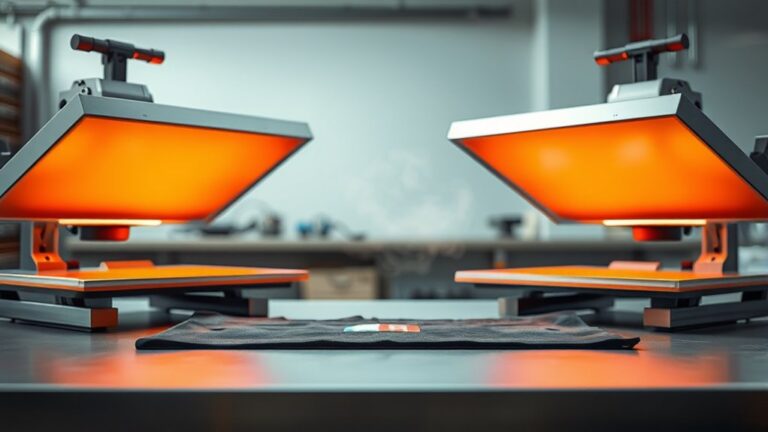
You can heat press vinyl on 100% polyester safely by using lower temperatures between 270°F and 300°F and pressing for no longer than 10-15 seconds.
When working with polyester, it’s important to adjust your heat press settings to avoid damaging the fabric.
Always place a Teflon or parchment sheet between the vinyl and fabric to prevent scorching or melting during the heat pressing process.
Choose vinyl designed for low-temperature applications to ensure proper adhesion without harming your garment.
Testing on a small area first is highly recommended to confirm the settings work well with your specific material.
Following these steps helps safeguard your garment and guarantees strong adhesion.
Keep going to discover how to perfect your process and care for your designs, ensuring long-lasting and vibrant results on polyester garments.
Key Takeaways
- Heat pressing vinyl on 100% polyester is possible using lower temperatures between 270°F and 300°F to avoid fabric damage.
- Use a Teflon sheet or parchment paper as a protective barrier to prevent scorching and shiny spots on polyester fabric.
- Select vinyl specifically designed for low-temperature application, such as Low-Temperature HTV or Thin PU Vinyl, for proper adhesion.
- Press for 10-15 seconds with medium pressure, and always pre-press polyester to remove wrinkles and moisture before applying vinyl.
- Wash polyester garments inside out in cold water and avoid harsh detergents to maintain vinyl durability and vibrancy.
Can You Safely Heat Press Vinyl on 100% Polyester?
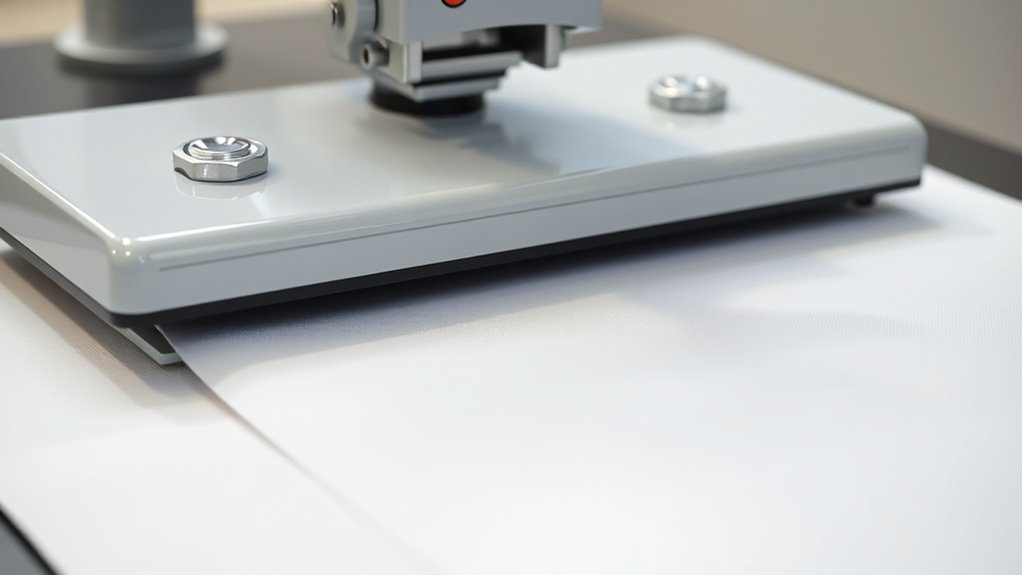
How can you safely heat press vinyl on 100% polyester without damaging the fabric? First, you’ll want to use a lower temperature setting, typically between 270°F and 300°F, since polyester melts at lower temperatures than cotton. Avoid pressing for more than 10 seconds to prevent scorching.
Always place a Teflon sheet or parchment paper between the heat press and the vinyl to protect the fabric. Make sure your vinyl type is compatible with polyester—most heat transfer vinyls designed for synthetic fabrics work well. Test a small area before completing the whole project.
How Heat Affects 100% Polyester Fabric Integrity
Although polyester is known for its durability, applying heat during the pressing process can weaken its fibers if not managed carefully. When you expose 100% polyester to excessive heat, the fabric may melt, distort, or lose its shape. This happens because polyester fibers soften around 250°F (121°C) and can melt at higher temperatures, causing permanent damage.
You might notice puckering or shiny spots on your fabric if the heat is too intense or applied for too long. To maintain the fabric’s integrity, you need to control the temperature, pressure, and pressing time carefully. Using a protective cover sheet during heat pressing also helps prevent direct heat contact.
How to Choose Vinyl for Heat Pressing Polyester
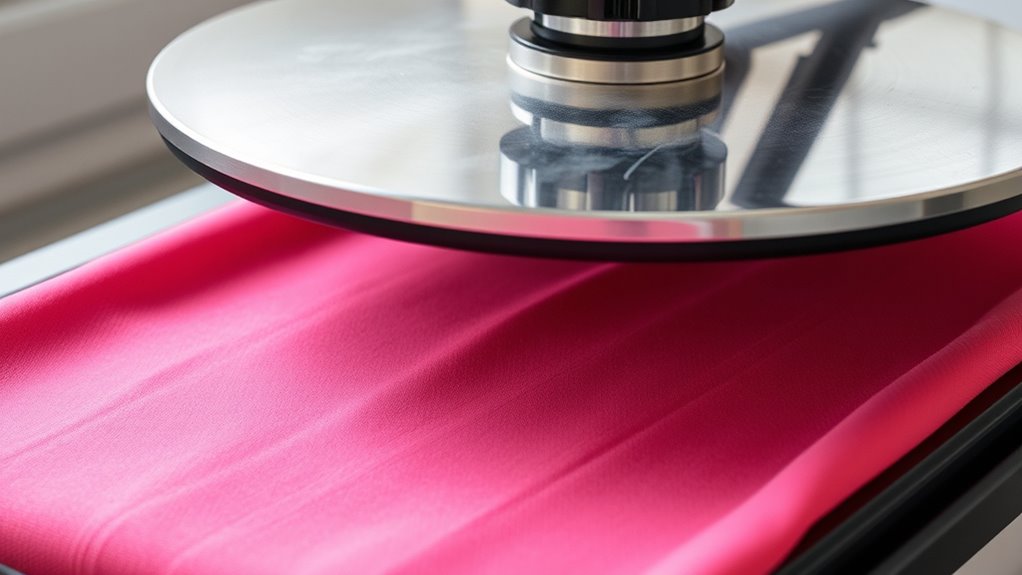
When choosing vinyl for heat pressing on 100% polyester, you need to take into account the type of vinyl and its heat resistance. Not all vinyls can handle the lower temperature settings polyester requires without losing adhesion or quality.
Picking the right vinyl ensures your design stays vibrant and your fabric stays intact.
Vinyl Types for Polyester
Selecting the right vinyl for heat pressing on 100% polyester is essential because not all vinyl types withstand the fabric’s sensitivity to high temperatures. You want a vinyl that adheres well without damaging the polyester.
Here are four vinyl types to contemplate:
- Low-Temperature HTV – Designed specifically for delicate fabrics, it bonds at lower heat settings.
- Stretch Vinyl – Offers flexibility and moves with polyester, reducing cracking or peeling.
- Thin PU Vinyl – Lightweight and soft, this vinyl maintains the fabric’s breathability.
- Printable Vinyl – Allows custom designs while generally adhering well to polyester when properly heat pressed.
Choosing the appropriate vinyl ensures durability and a professional finish on your polyester projects. Avoid vinyls that require excessive heat to protect your fabric.
Heat Resistance Considerations
Understanding the heat resistance of both your vinyl and polyester fabric helps you avoid damage during the heat pressing process. Polyester can melt or shrink if exposed to temperatures above 300°F (149°C), so you’ll want to select vinyl that adheres well at lower temperatures.
Look for heat transfer vinyl (HTV) specifically designed for polyester or synthetic fabrics, as these often require lower pressing temps around 270°F to 290°F. Avoid vinyl that demands high heat settings, which risk scorching your fabric. Also, check the vinyl’s recommended press time and temperature to ensure compatibility.
Testing a small fabric scrap before full application can save you from costly mistakes. By matching vinyl’s heat requirements with polyester’s limits, you’ll get a durable, vibrant finish without damaging your garment.
Best Heat Press Temperature and Time for Polyester Vinyl
Since polyester is sensitive to high heat, you’ll need to use a lower temperature when heat pressing vinyl on it to prevent damage. Getting the temperature and timing right guarantees your design adheres perfectly without melting or warping the fabric.
Here’s a quick guide for the best heat press settings on polyester vinyl:
- Set your heat press to 305°F (150°C) – lower than cotton settings.
- Apply medium pressure to avoid crushing the fabric.
- Press for 10-15 seconds to ensure proper adhesion.
- Use a Teflon sheet or parchment paper between the vinyl and heat press to protect the material.
These steps help maintain the polyester’s integrity while securing your vinyl for a durable finish.
Preparing Polyester Garments Before Heat Pressing Vinyl
Before you start heat pressing vinyl on polyester garments, make sure the fabric is clean and wrinkle-free to guarantee smooth application. Wash the garment without fabric softeners to avoid residue that can affect adhesion. Iron or steam the fabric to remove wrinkles, since any creases can cause uneven pressing.
Preheat the garment for a few seconds to eliminate moisture and flatten the surface.
| Step | Purpose |
|---|---|
| Wash without softeners | Prevent residue buildup |
| Remove wrinkles | Ensure even vinyl adhesion |
| Preheat garment | Eliminate moisture & flatten |
| Use lint roller | Remove dust and fibers |
Following these preparation steps helps you achieve a professional, long-lasting vinyl application on 100% polyester.
How to Heat Press Vinyl on Polyester Step-by-Step
Although heat pressing vinyl on 100% polyester requires careful attention, you can achieve excellent results by following the right steps.
Heat pressing vinyl on 100% polyester demands care but yields great results when done correctly.
Here’s how to do it effectively:
- Set the Temperature and Time: Preheat your press to 270°F (132°C) and set the timer for 10-15 seconds to protect polyester fibers.
- Position Your Vinyl: Place the vinyl on the garment, ensuring it’s flat and centered.
- Protect the Fabric: Use a Teflon sheet or parchment paper over the vinyl to prevent scorching.
- Press and Peel: Press firmly for the set time, then peel the carrier sheet warm or cold, depending on your vinyl’s instructions.
Common Mistakes to Avoid When Heat Pressing Polyester
Mastering the proper steps for heat pressing vinyl on polyester sets you up for success, but overlooking common pitfalls can still ruin your project. One mistake is using excessive heat or pressing time, which can melt or distort polyester fibers. Always follow the vinyl manufacturer’s temperature and timing guidelines carefully.
Another error is skipping the test press; testing on a scrap piece prevents surprises. Avoid placing the vinyl directly on wrinkled or damp fabric, as this affects adhesion and finish. Don’t forget to use a heat press cover sheet or parchment paper to ensure even heat distribution.
In the end, ignoring proper alignment can lead to crooked or uneven designs, so take your time positioning the vinyl before pressing. Avoid these mistakes, and you’ll achieve crisp, lasting results.
Protecting Polyester From Heat Press Damage
When you heat press polyester, you need to take extra care to prevent damage caused by high temperatures. Polyester is sensitive and can melt or scorch if you’re not careful. To protect your garment and get the best results, follow these key steps:
- Use a Teflon Sheet or Parchment Paper: This creates a barrier between the heat press and the fabric, preventing direct contact and potential melting.
- Lower the Temperature: Set your heat press between 270°F and 300°F to avoid overheating.
- Reduce Pressing Time: Keep the pressing time short, around 10-15 seconds, to minimize heat exposure.
- Test on a Scrap Piece: Always try your settings on a similar fabric scrap before pressing the final garment.
Tips for Durable, Vibrant Vinyl Designs on Polyester
Protecting polyester from heat damage sets the foundation for creating vinyl designs that last and look vibrant. To guarantee durability, always use a heat press with adjustable temperature controls and set it between 270°F and 300°F. Avoid excessive pressure, as this can distort the fabric and vinyl.
Use a Teflon sheet or parchment paper as a protective barrier to prevent scorching or melting. Pre-press your polyester garment for a few seconds to remove moisture and wrinkles, ensuring better vinyl adhesion. After pressing, let the vinyl cool completely before handling to lock in the design.
Finally, wash polyester garments inside out in cold water and avoid harsh detergents to maintain your vinyl’s vibrancy and prevent peeling over time. Following these steps guarantees professional, long-lasting results.
Frequently Asked Questions
Can I Use Heat Press Vinyl on Polyester Blends?
Yes, you can use heat press vinyl on polyester blends. Just make sure to check the fabric’s heat tolerance and adjust your temperature and pressing time accordingly to avoid melting or damaging the material.
This will help ensure the vinyl sticks well.
What Type of Vinyl Cutter Works Best for Polyester Vinyl?
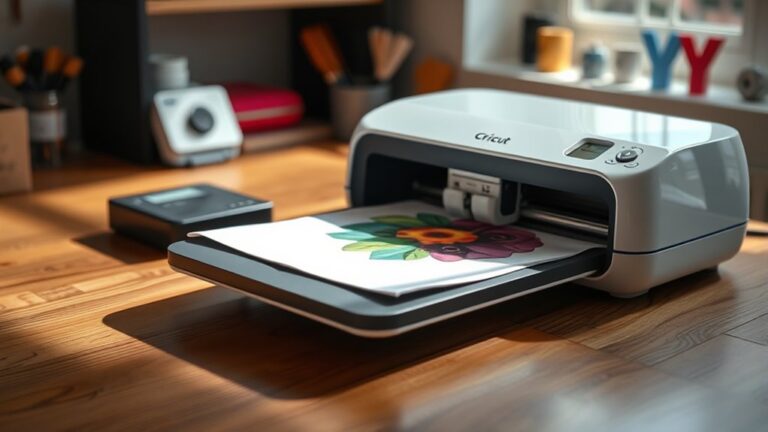
You’ll want a vinyl cutter with adjustable blade pressure and speed, like the Cricut Maker or Silhouette Cameo. These handle polyester vinyl well, ensuring clean cuts without damaging the fabric or vinyl’s adhesive backing.
How Do I Remove Heat Press Vinyl From Polyester?
You’ll want to gently persuade the vinyl to part ways by reheating it with your press or iron, then carefully peeling it off. Use a little patience and maybe some adhesive remover to ease the farewell without damage.
Can I Wash Polyester With Heat Press Vinyl Immediately?
You shouldn’t wash polyester with heat press vinyl immediately. Wait at least 24 hours to let the vinyl fully adhere. Washing too soon can cause peeling or damage, so give it proper time before laundering.
Is Heat Press Vinyl Safe for Children’s Polyester Clothing?
You can safely use heat press vinyl on children’s polyester clothing, as 85% of polyester wearables withstand heat without damage.
Just adjust temperature settings and test small areas to keep fabrics comfy and durable for your kids.
Conclusion
You absolutely can’t risk skipping the right steps when heat pressing vinyl on 100% polyester—it’s like playing with fire! One wrong move, and your favorite shirt could warp, melt, or lose its vibrant design forever.
But follow the perfect temperature, time, and prep, and you’ll create vinyl masterpieces that last through every wash and wear.
So, buckle up and press carefully—your polyester deserves nothing less than perfection! When heat pressing vinyl on 100 polyester, precision is key to achieving the best results and durability.