Can You Heat Press Vinyl on Polyester
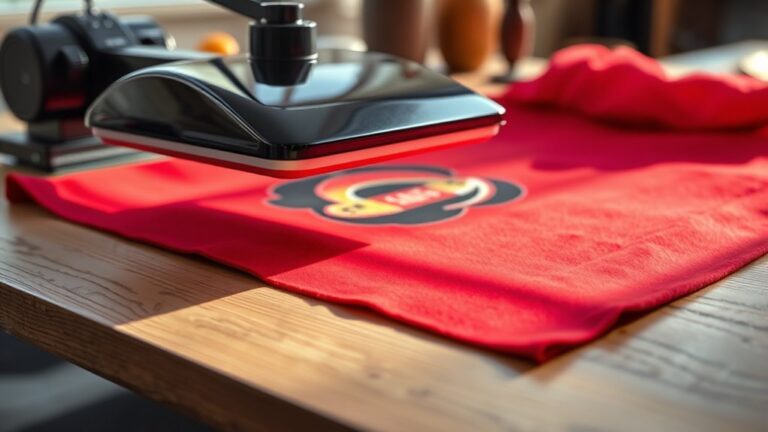
Yes, you can heat press vinyl on polyester, but it requires careful temperature control to protect the fabric. When working with polyester, keep the temperature around 270°F to 300°F to avoid melting or scorching.
Using the right heat and pressure is essential for a successful application. Apply medium pressure and press for about 10-15 seconds to ensure the vinyl adheres properly.
Always protect your garment with a Teflon sheet to prevent damage during pressing. Testing on a small area first helps you avoid mistakes on the main design.
Choosing vinyl specifically made for synthetic fibers like polyester helps prevent cracking and ensures durability.
By following these steps, you’ll achieve a smooth, long-lasting finish with minimal fabric damage. Mastering the process takes practice but guarantees perfect results every time.
Key Takeaways
- Yes, vinyl can be heat pressed on polyester using temperatures between 270°F and 300°F for proper adhesion without damage.
- Use vinyl specifically designed for polyester or synthetic fabrics to ensure flexibility and durability.
- Pre-wash, iron, and pre-press polyester fabric to remove wrinkles, moisture, and residues before heat pressing vinyl.
- Apply medium pressure (30-40 psi) for 10-15 seconds, and use a Teflon sheet to protect the fabric during pressing.
- Allow the vinyl to cool before peeling and wash garments inside out with cold water to prolong design lifespan.
Can You Heat Press Vinyl on Polyester Safely?
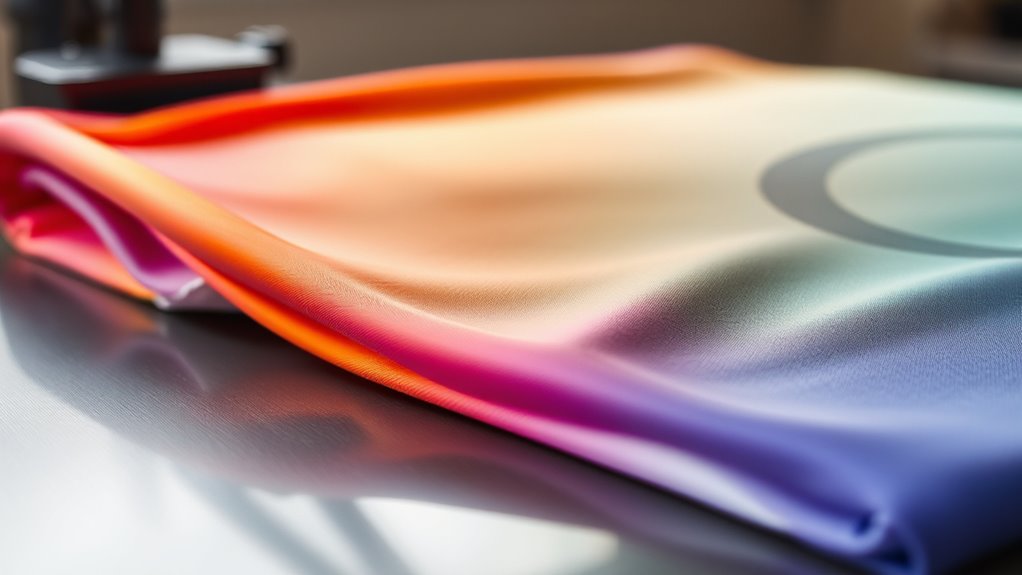
How safely you can heat press vinyl on polyester depends largely on the temperature and duration you use. You’ll want to keep the heat at a moderate level—typically around 270°F (132°C)—to avoid damaging the fabric. Pressing for about 10 to 15 seconds usually works well without risking burns or melting.
It’s essential not to exceed these limits because polyester is sensitive to high heat. Always test a small area first to verify the vinyl adheres properly without harming the material. Using a Teflon sheet or parchment paper between the press and fabric protects both your heat press and the garment.
What Happens to Polyester When Heat Pressing Vinyl?
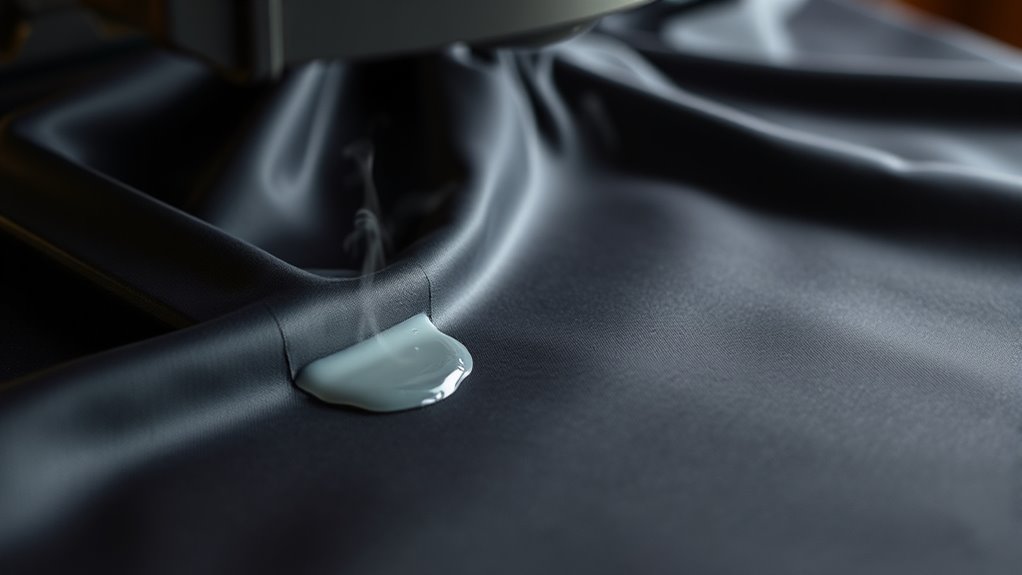
When you apply heat to polyester during the vinyl pressing process, the fabric undergoes physical changes that can affect both its appearance and durability. Polyester fibers soften under high heat, which allows the vinyl adhesive to bond properly. However, if the temperature is too high or the pressing time too long, you risk melting or scorching the fabric.
This can cause shiny spots, puckering, or permanent damage. Additionally, overheating can weaken the fiber structure, reducing the garment’s lifespan. You’ll want to carefully control the heat press settings—usually around 270°F (132°C)—to avoid these issues.
How to Choose the Best Vinyl for Polyester Garments
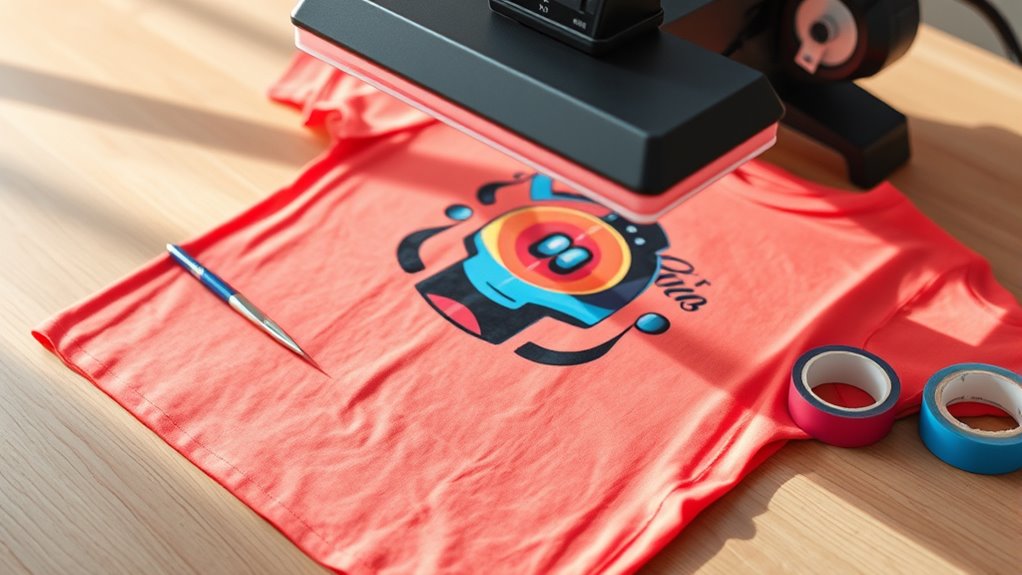
Since polyester requires careful heat control, choosing the right vinyl is essential to guarantee a strong bond without damaging the fabric. You want vinyl that’s flexible, heat resistant, and adheres well at lower temperatures.
Look for vinyl specifically labeled for polyester or synthetic fabrics to avoid melting or warping.
Here’s a quick guide to help you pick the best vinyl:
| Vinyl Type | Best Feature |
|---|---|
| Stretch Vinyl | Flexible, resists cracking |
| Low Temp Vinyl | Bonds at lower heat |
| Thin Vinyl | Prevents stiff feel |
| Printable Vinyl | Allows custom designs |
Choosing vinyl with these traits ensures durability and comfort on polyester garments, making your heat press project successful without fabric damage.
What Are the Ideal Heat Press Settings for Polyester?
You’ll want to set your heat press to the right temperature to avoid damaging polyester. Applying the correct pressure and timing is just as important to guarantee the vinyl adheres properly.
Let’s look at the ideal settings that get the best results every time.
Temperature Recommendations
Although polyester requires careful handling to avoid damage, you can achieve excellent results by using the right heat press settings. For polyester, the ideal temperature usually ranges between 270°F to 300°F (132°C to 149°C). Staying within this range helps prevent melting or scorching the fabric while allowing the vinyl to properly adhere.
Avoid going above 300°F, as polyester is sensitive to high heat and can warp or discolor. It’s best to start at the lower end of the temperature spectrum and adjust slightly if you notice the vinyl isn’t bonding well. Always test on a scrap piece first to ensure your temperature setting works flawlessly without damaging the material.
Following these temperature guidelines ensures clean, durable transfers on your polyester garments.
Pressure And Time Settings
When pressing vinyl onto polyester, applying the right pressure and timing is just as important as setting the correct temperature. You’ll want to use medium pressure—too much can damage the fabric, while too little won’t secure the vinyl properly. Aim for about 30 to 40 psi if your heat press allows pressure adjustment.
For timing, keep it between 10 to 15 seconds. Press longer, and you risk scorching or melting the polyester; press too briefly, and the vinyl won’t adhere well. Always follow your vinyl manufacturer’s guidelines, as specific materials may vary.
Test on a scrap piece first to fine-tune pressure and time. This approach guarantees a smooth, durable finish without compromising your polyester garment’s quality.
How a Teflon Sheet Protects Polyester During Heat Pressing
When you use a Teflon sheet during heat pressing, it prevents heat damage to your polyester fabric by creating a protective barrier. This shield helps the vinyl adhere better without risking burns or melting.
Plus, it keeps the fabric’s integrity intact for a smooth, professional finish every time.
Preventing Heat Damage
How do you protect delicate polyester fabric from heat damage during vinyl pressing? Using a Teflon sheet creates a barrier between the heat press and your polyester garment, preventing direct contact that can scorch or melt the fabric.
It evenly distributes heat, reducing hotspots that cause damage.
Here’s a quick comparison to understand why a Teflon sheet is essential:
| Material | Heat Risk | Protection Offered |
|---|---|---|
| Polyester | High (melts/scorches) | None |
| Without Teflon | Direct heat contact | High risk of damage |
| With Teflon | Indirect heat | Shields fabric, evenly distributes heat |
Enhancing Vinyl Adhesion
Why does using a Teflon sheet matter for vinyl adhesion on polyester? When you heat press vinyl onto polyester, the Teflon sheet acts as a protective barrier between the heat platen and the fabric. This prevents direct contact, which helps evenly distribute heat and pressure.
Without it, hot spots can cause uneven adhesion or damage your vinyl and fabric. The Teflon sheet also stops the vinyl from sticking to the heat press itself, making your process smoother and cleaner.
Maintaining Fabric Integrity
Using a Teflon sheet not only improves vinyl adhesion but also safeguards your polyester fabric during heat pressing. When you apply heat directly, polyester risks melting or scorching due to its low melting point. The Teflon sheet acts as a protective barrier, evenly distributing heat and preventing direct contact between the heat press and fabric.
This reduces the chance of shiny marks, burns, or fabric distortion. Additionally, the non-stick surface stops vinyl from sticking to your press or fabric, ensuring a clean transfer every time. By using a Teflon sheet, you maintain the integrity of your polyester garment while achieving professional-quality results.
It’s a simple step that preserves your fabric’s appearance and extends the life of your heat press equipment.
How to Prepare Polyester Fabric Before Heat Pressing Vinyl
Before you start heat pressing vinyl onto polyester fabric, you need to prepare the material properly to guarantee strong adhesion and a smooth finish. First, wash and dry the polyester to remove any coatings or residues that could block the vinyl from sticking. Avoid fabric softeners, as they leave a slippery film.
Next, iron the fabric to remove wrinkles that might cause uneven pressing. Use a low to medium heat setting since polyester is heat-sensitive. Lay the fabric flat on your heat press or a hard surface to ensure it doesn’t shift during pressing.
Finally, pre-press the fabric for 3 to 5 seconds to eliminate moisture and create a smooth base for the vinyl. Taking these steps sets you up for a successful heat press job.
Common Heat Pressing Mistakes to Avoid on Polyester
You’ll want to avoid common mistakes like setting the wrong temperature, skipping proper fabric preparation, and using too much pressure. These errors can ruin your design or damage the polyester.
Let’s look at how to prevent these issues for the best results.
Incorrect Temperature Settings
How hot should your heat press be when working with polyester? Setting the temperature too high can melt or scorch the fabric, ruining your project. Polyester typically requires a lower heat—around 270°F to 300°F (130°C to 150°C)—to avoid damage.
If you crank up the heat beyond this, the fibers can warp or discolor. On the other hand, if the temperature’s too low, the vinyl won’t properly adhere, causing peeling later on. Always check your vinyl’s manufacturer guidelines and adjust your heat press accordingly.
Use a reliable thermometer or the heat press’s built-in settings, but don’t rely solely on guesswork. Getting the temperature right ensures your design bonds securely without harming the polyester, giving you a clean, lasting finish every time.
Overlooking Fabric Preparation
Although it might seem like a minor step, skipping fabric preparation can seriously compromise your polyester heat press results. Before you start, always guarantee the fabric is clean and wrinkle-free. Any dirt, oil, or moisture on the polyester can cause poor vinyl adhesion or create bubbles.
Pre-press the fabric for a few seconds to remove moisture and flatten wrinkles; this helps the vinyl bond evenly. Ignoring this step may result in uneven transfers or peeling edges after washing. Also, make sure the fabric is cool enough to handle but warm enough to maintain a consistent temperature during pressing.
Taking these few extra minutes will save you from disappointing results and wasted materials. Proper fabric prep is essential for a smooth, professional finish every time.
Applying Excessive Pressure
After prepping your polyester fabric properly, it’s easy to think pressing harder will improve vinyl adhesion. However, applying excessive pressure can damage both the fabric and the vinyl. Too much force may cause the polyester fibers to stretch or deform, leading to puckering or warping.
It can also force the vinyl to melt or stick improperly, ruining the design.
To avoid these issues, keep these tips in mind:
- Use manufacturer-recommended pressure settings for your heat press.
- Test on a scrap piece to find the ideal pressure.
- Adjust pressure gradually—too light won’t stick, too heavy will damage.
- Remember, consistent moderate pressure ensures even heat distribution and better results.
Don’t let over-pressing ruin your project—apply just the right amount of pressure every time.
How to Test Heat Press Vinyl on Polyester Safely
Before applying heat press vinyl to polyester, you’ll want to test a small, inconspicuous area to avoid damaging the fabric. Start by cutting a small piece of your vinyl and placing it on a hidden spot, like inside a hem. Set your heat press at the recommended temperature for polyester, usually around 270°F (132°C), and use medium pressure.
Press for about 10 seconds, then carefully peel the vinyl. Check for any fabric distortion, scorching, or vinyl peeling. If everything looks good, you’re safe to proceed.
If you notice damage, lower the temperature or reduce pressing time and test again. This simple test prevents costly mistakes and guarantees your polyester garment stays intact while getting a clean, secure vinyl application.
Tips to Make Your Vinyl Design Last Longer on Polyester
To assure your vinyl design stays vibrant and secure on polyester, you need to take proper care during and after application. Follow these tips to extend the life of your design:
- Use the right temperature and pressure: Avoid overheating polyester, which can damage both fabric and vinyl.
- Cool before peeling: Let the vinyl cool completely to ensure a strong bond.
- Wash carefully: Turn garments inside out and use cold water with mild detergent to prevent fading or peeling.
- Avoid high heat drying: Air dry or use a low heat setting to protect your design.
Other Ways to Customize Polyester Without Heat Pressing
Although heat pressing is a popular method for customizing polyester, you don’t have to rely on it exclusively. You can explore screen printing, which applies ink directly to the fabric, offering durable and vibrant designs without heat.
Another option is sublimation printing, ideal for polyester, where dye turns into gas and bonds with the fibers, creating vivid, long-lasting prints. Fabric paint or markers let you hand-decorate your polyester pieces, giving you creative freedom without special equipment.
You might also consider embroidery for a textured, professional look, which doesn’t involve heat and adds durability. Each method suits different styles and projects, so you can pick what fits your needs best while avoiding the challenges heat pressing sometimes presents on polyester fabrics.
Frequently Asked Questions
Can Heat Pressing Vinyl on Polyester Cause Skin Irritation?
Yes, heat pressing vinyl on polyester can cause skin irritation if you touch the hot surface or vinyl right after pressing.
Always use protective gloves and let the material cool to avoid burns or irritation.
Is It Possible to Remove Vinyl From Polyester After Heat Pressing?
Yes, you can remove vinyl from polyester after heat pressing, but it might damage the fabric. Use heat and a vinyl remover carefully, and always test a small area first to avoid ruining your garment.
How Does Humidity Affect Heat Pressing Vinyl on Polyester?
Humidity can cause moisture to build up on polyester, making vinyl adhesion tricky. You’ll want to make sure the fabric is completely dry before heat pressing to avoid bubbling or peeling, ensuring a smooth, long-lasting finish.
Can You Wash Polyester With Heat-Pressed Vinyl Immediately After Pressing?
You shouldn’t splash or soak your polyester with heat-pressed vinyl immediately; waiting 24 hours lets the layers lock, limiting lifting or loosening.
Always wash inside-out in cold water, avoiding harsh agitation to preserve your print’s perfection.
Does Heat Pressing Vinyl on Polyester Affect the Fabric’s Breathability?
Yes, heat pressing vinyl can reduce polyester’s breathability since the vinyl creates a barrier on the fabric. You’ll notice less airflow where the vinyl is applied, so it might feel warmer or less comfortable in that area.
This effect is usually localized to the vinyl-covered sections. The rest of the fabric remains breathable as normal. However, the overall comfort may be impacted depending on the size and placement of the design.
Conclusion
You can safely heat press vinyl on polyester if you follow the right steps—like using lower temperatures and a Teflon sheet. Did you know that polyester can start melting at around 428°F (220°C), so keeping your press below this is essential? By choosing the right vinyl and settings, you’ll protect your garment and achieve lasting designs.
Just remember to test first and avoid common mistakes to keep your polyester looking great! When heat pressing vinyl on polyester, maintaining proper temperature and pressure is key. Using a Teflon sheet helps prevent scorching and ensures even heat distribution.
In conclusion, heat pressing vinyl on polyester is possible and effective when you use lower temperatures, a Teflon sheet, and the right vinyl. Following these guidelines will help you create durable, vibrant designs without damaging your polyester fabric.