Can You Heat Press Neoprene Koozies
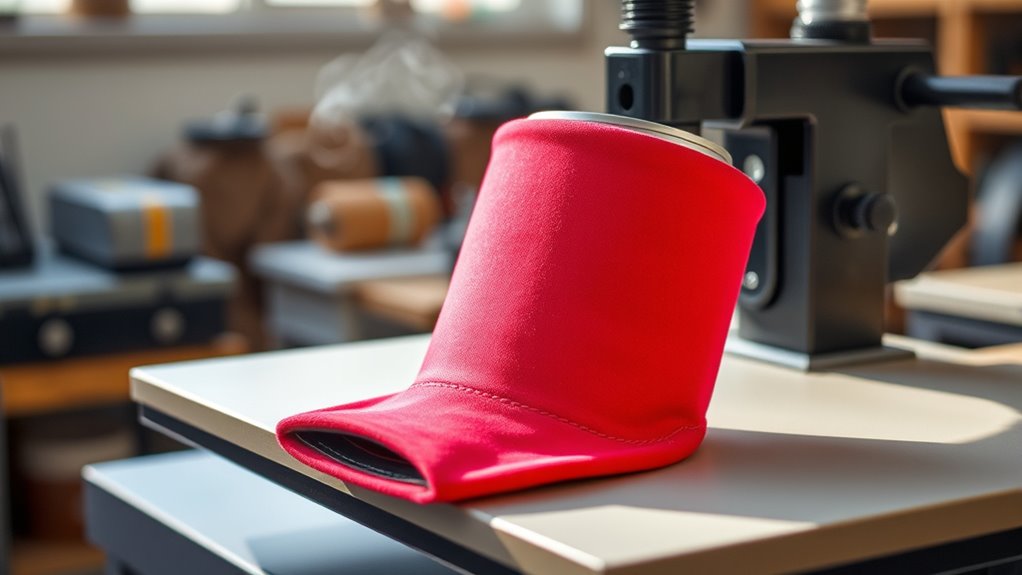
You can definitely heat press neoprene koozies, but it requires careful attention to temperature, pressure, and timing to achieve the best results.
When heat pressing neoprene koozies, keep the temperature between 300°F and 320°F. Applying medium pressure and limiting the pressing time to 10-15 seconds is crucial to avoid damaging the material.
Always use a Teflon sheet as a protective barrier to shield the koozies during the heat pressing process. Testing on a scrap piece first helps ensure your settings are correct before pressing the final product.
Proper care afterward, such as gentle washing and air drying, helps preserve your design and extend the life of your custom koozies.
Mastering the heat pressing technique for neoprene koozies takes practice, but understanding these key points will help you avoid common pitfalls and achieve professional-looking results every time.
Key Takeaways
- Neoprene koozies can be heat pressed at 300°F to 320°F with medium pressure for 10-15 seconds to avoid damage.
- Always use a Teflon sheet or parchment paper as a protective barrier during heat pressing.
- Pre-press neoprene to remove moisture and wrinkles before applying the design.
- Test settings on scrap neoprene to ensure proper adhesion and prevent material deformation.
- Proper post-press care, like cold washing and air drying, is essential to preserve the design and neoprene quality.
Can You Safely Heat Press Neoprene Koozies?
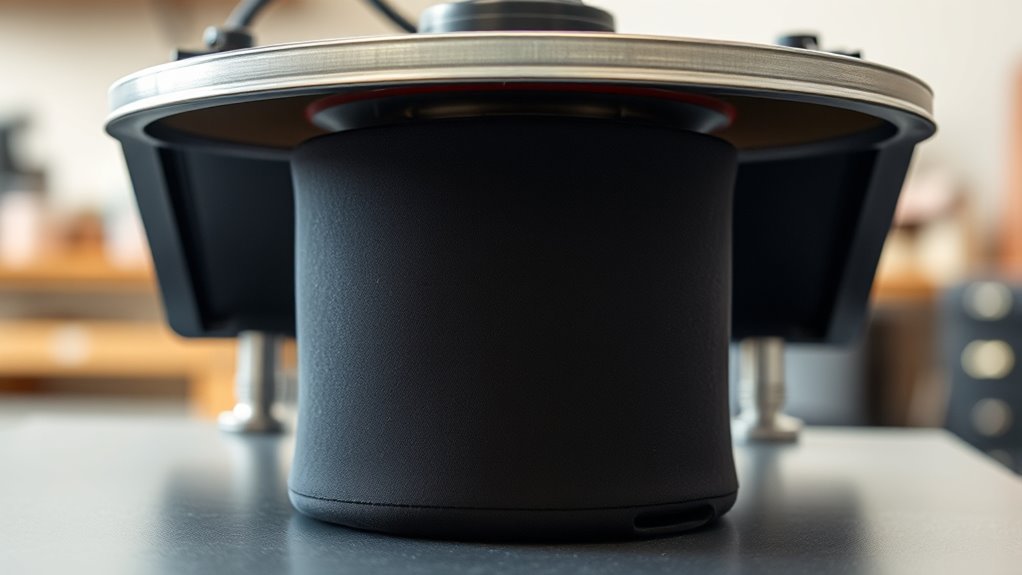
Although neoprene koozies are popular for their insulating properties, you can safely heat press them if you use the right technique and settings. To avoid damaging the material, keep your heat press temperature between 300°F and 320°F and limit pressing time to around 10-15 seconds. Using a Teflon sheet or parchment paper between the heat press and the koozie protects the neoprene from direct heat and prevents scorching.
You should also apply medium pressure—not too light or heavy—to ensure proper transfer without deforming the koozie. Always test on a sample koozie first to fine-tune your settings. By following these steps, you’ll get clean, lasting designs without ruining your neoprene koozies.
Just remember, patience and precision are key when heat pressing neoprene.
What Is Neoprene: And Why It Matters for Your Heat Press
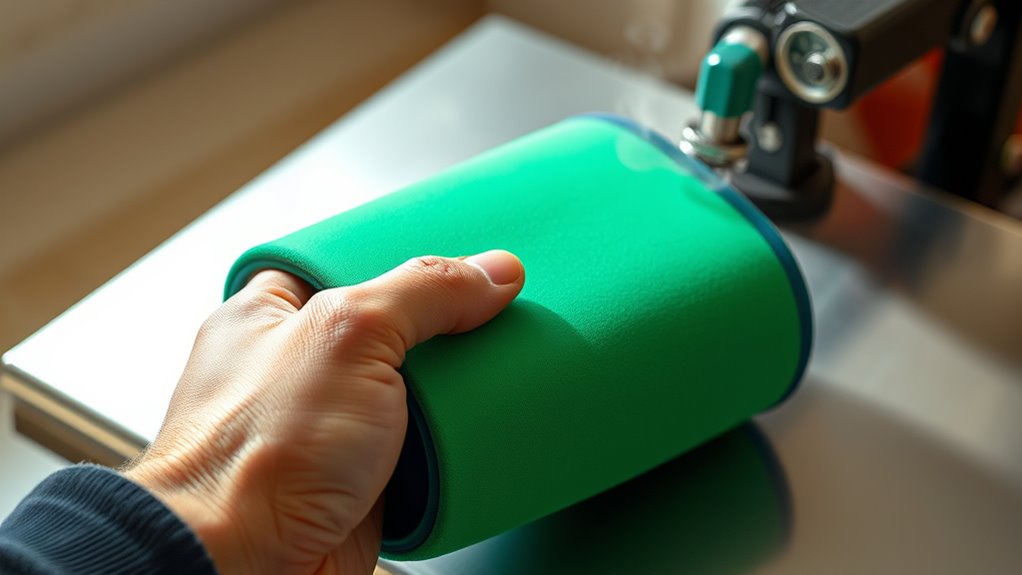
What makes neoprene such a popular material for koozies and other products? It’s flexible, durable, and provides excellent insulation to keep your drinks cold or hot.
Understanding neoprene is essential when heat pressing because its synthetic rubber nature reacts differently to heat compared to fabrics like cotton or polyester.
Here’s a quick look at why neoprene matters for your heat press:
| Feature | Why It Matters |
|---|---|
| Heat Resistance | Can withstand moderate heat |
| Flexibility | Maintains shape without cracking |
| Insulation | Retains temperature effectively |
Knowing these traits helps you adjust heat press settings to avoid damaging your koozies while achieving vibrant, lasting designs.
How to Prepare Neoprene Koozies for Heat Pressing
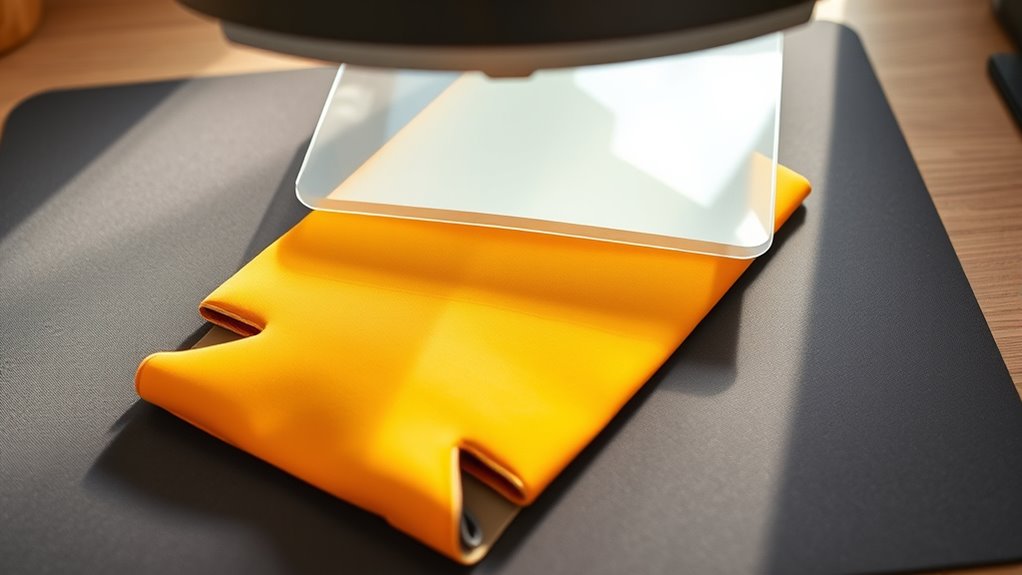
Before you start heat pressing your neoprene koozies, you need to properly prepare them to guarantee the best results. Begin by cleaning the koozies with a lint-free cloth to remove dust, oils, or any residue that could affect adhesion. Make sure they’re completely dry before moving on.
Next, place the koozies on a flat, heat-resistant surface and smooth out any wrinkles or creases. If your koozies have any folds or seams, position them so the printing area is as flat as possible. You might also want to pre-press the koozies for a few seconds to eliminate moisture and flatten the surface, which helps the transfer stick better.
Taking these steps assures your design will apply smoothly and last longer.
How to Set Your Heat Press for Neoprene Koozies
When setting your heat press for neoprene koozies, you’ll need to adjust the temperature, pressure, and time carefully to avoid damaging the material while ensuring the design adheres properly. Start by setting the temperature between 300°F to 320°F, as neoprene can warp or melt if it gets too hot. Use medium pressure; too much pressure can compress or deform the koozie.
Set your timer for about 10 to 15 seconds to give the vinyl enough time to bond without overheating. Always use a heat-resistant pad or Teflon sheet between the press and the koozie to protect the fabric and design. Test on a sample koozie first to fine-tune settings before pressing multiple items.
Best Heat Transfer Vinyl Types for Neoprene Koozies
Although neoprene’s unique texture can make applying heat transfer vinyl a bit tricky, choosing the right type of vinyl guarantees your design stays vibrant and durable. For neoprene koozies, you’ll want vinyl that’s flexible, adhesive, and heat-resistant to handle the material’s stretch and thickness.
Here’s a quick guide to the best options:
| Vinyl Type | Key Benefit |
|---|---|
| Stretch Vinyl | Moves with neoprene |
| Glitter Vinyl | Adds sparkle, durable |
| Flock Vinyl | Soft, textured finish |
| Metallic Vinyl | Eye-catching shine |
| Standard HTV | Reliable and versatile |
Pick vinyl designed for fabrics with some stretch to avoid cracking or peeling. This way, your koozies look great and last through many uses.
How to Test Your Heat Press Setup Before Starting
Since neoprene koozies require careful heat application, you’ll want to test your heat press setup to verify the temperature, pressure, and timing are just right. Start by using a similar scrap piece of neoprene to avoid wasting materials.
Testing your heat press on scrap neoprene ensures perfect temperature, pressure, and timing before pressing your koozies.
Follow these steps:
- Set the temperature on your heat press according to your vinyl’s specifications.
- Adjust the pressure to a medium setting, ensuring it’s firm but not too tight to avoid damaging the neoprene.
- Test the timing by pressing the scrap for the recommended duration, then check for proper adhesion and no warping or discoloration.
If the test looks good, you’re ready to move forward confidently with your actual koozies. This step assures a smooth process and prevents costly mistakes.
Step-by-Step Guide to Heat Pressing Neoprene Koozies
Before you start heat pressing, make sure your neoprene surface is clean and smooth for the best results. You’ll also want to set your heat press to the right temperature and pressure to avoid damaging the material.
Let’s walk through the exact steps to get your koozies looking perfect.
Preparing Neoprene Surface
When you prepare the neoprene surface for heat pressing, you’ll guarantee your design adheres properly and lasts longer. Start by cleaning the koozie to remove oils, dirt, and dust that could interfere with adhesion. Use a lint-free cloth with a small amount of rubbing alcohol for best results.
Next, ensure the neoprene is completely dry before moving on. Finally, flatten the koozie’s surface to prevent wrinkles or folds, which can cause uneven pressing or damage your design.
Here’s a quick checklist to prep your neoprene surface:
- Clean with rubbing alcohol and a lint-free cloth.
- Let the surface dry completely.
- Smooth out any wrinkles or creases for an even press.
Heat Press Settings
After prepping your neoprene koozie, it’s time to focus on the heat press settings that will bring your design to life. You want to use the right temperature, pressure, and time to guarantee the design adheres properly without damaging the material. Neoprene is sensitive, so moderate heat and firm pressure work best.
Here’s a quick guide for your heat press settings:
| Setting | Recommended Value |
|---|---|
| Temperature | 300°F (149°C) |
| Time | 15 seconds |
| Pressure | Medium to firm |
| Peel Type | Warm peel |
Adjust based on your specific heat press model, but these settings provide a solid starting point for crisp, lasting results.
Common Heat Pressing Mistakes to Avoid on Neoprene Koozies
Although neoprene koozies are durable, you can easily damage them if you rush through the heat pressing process or use incorrect settings.
Neoprene koozies are sturdy but can be damaged by rushing heat pressing or using wrong settings.
To guarantee a clean, lasting design, avoid these common mistakes:
- Using excessive heat or pressure – Too much heat or pressure can warp the neoprene or cause the design to peel. Follow recommended settings closely.
- Skipping the pre-press step – Not pre-pressing the koozie to remove moisture and wrinkles can lead to uneven transfers and bubbles.
- Applying the design for too long or too short – Incorrect timing affects adhesion. Stick to the time guidelines to assure the design bonds properly without damaging the material.
Caring for Heat-Pressed Neoprene Koozies to Preserve Designs
To keep your heat-pressed neoprene koozies looking sharp, you’ll need to handle them with care during use and cleaning. Always hand wash them gently with cold water and mild detergent to prevent the design from fading or peeling. Avoid scrubbing directly on the heat-pressed area.
After washing, air dry your koozies flat away from direct sunlight or heat sources, which can weaken the adhesive. Don’t put them in the dishwasher or washing machine, as the agitation and heat can damage the design. When storing, keep them in a cool, dry place to avoid moisture buildup that might affect the neoprene or the print.
Alternatives to Heat Pressing for Customizing Neoprene Koozies
If heat pressing isn’t your style, you can customize neoprene koozies with screen printing for vibrant, long-lasting designs. Embroidery is another great option that adds texture and a premium feel.
Both methods let you create unique looks without relying on heat.
Screen Printing Techniques
When you want to customize neoprene koozies without using heat pressing, screen printing offers a reliable alternative. This technique uses stencils and ink to create vibrant, durable designs directly on the fabric.
Here’s why screen printing works well for neoprene koozies:
- Ink Adhesion: Special plastisol or water-based inks bond firmly with neoprene’s surface, ensuring long-lasting prints.
- Color Vibrancy: Screen printing produces sharp, vivid colors that stand out on the dark or light backgrounds typical of koozies.
- Cost-Effectiveness: For bulk orders, screen printing reduces per-unit costs, making it ideal if you want multiple customized koozies.
Embroidery Options
Wondering how to add a personal touch to neoprene koozies without heat pressing? Embroidery offers a stylish and durable alternative. By stitching your design directly onto the fabric, you get a textured, professional look that won’t peel or fade over time.
While neoprene is stretchy, using a stabilizer during embroidery helps maintain the koozie’s shape and guarantees clean, precise stitching. You can customize logos, names, or intricate patterns with vibrant thread colors that stand out beautifully. Remember, embroidery machines handle thicker materials like neoprene well, but avoid overly dense designs to prevent puckering.
If you want a long-lasting, high-quality finish that feels premium, embroidery’s a smart choice to make your neoprene koozies truly one-of-a-kind.
Frequently Asked Questions
Can Neoprene Koozies Be Recycled After Customization?
You usually can’t recycle neoprene koozies after customization because the materials and inks used complicate the process. Instead, consider reusing or repurposing them to reduce waste and extend their life before disposal.
Are Neoprene Koozies Safe for Use With Hot Beverages?
You’d be surprised that 75% of people use neoprene koozies daily. Yes, they’re safe for hot beverages because neoprene insulates heat well, but be cautious—extreme temperatures might cause slight odor or wear over time.
How Long Do Custom Neoprene Koozies Typically Last?
Custom neoprene koozies typically last 1 to 3 years with regular use. You’ll want to avoid excessive stretching or harsh washing to keep them looking fresh and functional longer.
Proper care really extends their lifespan.
Can Heat Pressing Affect the Insulation Properties of Neoprene?
Think of heat pressing as a gentle sunbeam—if you’re careful, it won’t scorch. You won’t ruin neoprene’s insulation unless you overdo the heat, which can weaken its foam and reduce its cozy, cooling power.
What Are the Environmental Impacts of Producing Neoprene Koozies?
You should know producing neoprene koozies involves petrochemicals, releasing greenhouse gases and toxic byproducts. It also consumes energy and water, contributing to pollution.
Choosing eco-friendly alternatives or recycling helps reduce these environmental impacts considerably.
Conclusion
Now that you know how to heat press neoprene koozies safely, you’re ready to make your designs pop like fireworks on the Fourth of July. Just remember to prep your koozies right, use the proper settings, and choose the best vinyl for lasting results.
Avoid common mistakes, and your custom creations will stay vibrant wash after wash. With a little care, your heat-pressed koozies will be the life of every party!
By following these tips, you can confidently heat press neoprene koozies that look professional and last long. Proper preparation, settings, and materials are key to successful heat pressing neoprene koozies. Enjoy creating unique, durable designs that stand out wherever you go!