Can You Heat Press Leather Jackets
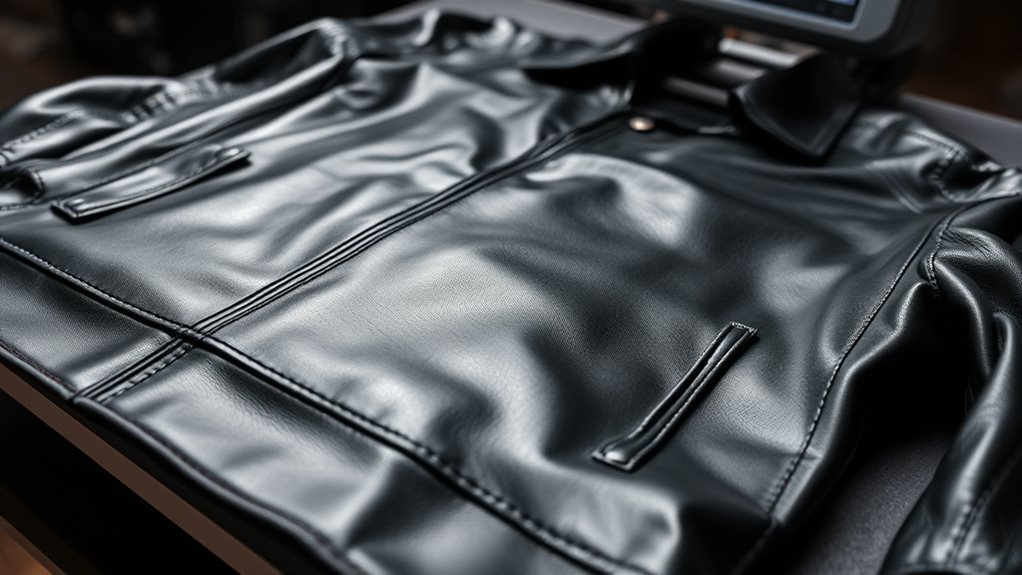
You can heat press leather jackets safely if you follow specific guidelines for temperature, time, and pressure. When heat pressing leather jackets, it’s crucial to keep the temperature between 250°F and 300°F and limit pressing time to 10-15 seconds. These steps help prevent damage and maintain the jacket’s quality.
Always use protective barriers like Teflon sheets to shield the leather from direct heat. Apply moderate pressure to avoid imprinting or warping the material. Testing on a hidden area first is essential to see how your leather reacts.
This is especially important for sensitive types like suede or nubuck, which require extra care. If you want to customize leather without risk, you’ll find smart alternatives and key precautions ahead.
Key Takeaways
- Leather jackets can be heat pressed if done carefully with temperatures between 250°F and 300°F, avoiding exceeding 320°F. Use protective barriers like Teflon sheets and apply moderate pressure for short durations of 10-15 seconds to prevent damage. Always test on a hidden area or scrap leather to check heat tolerance before pressing the entire jacket.
- Avoid heat pressing on sensitive leathers like suede, nubuck, or damaged leather to prevent cracking and discoloration. When unsure, opt for alternative customization methods such as painting, sewing patches, or attaching studs instead of heat pressing.
Can You Heat Press Leather Jackets Safely?
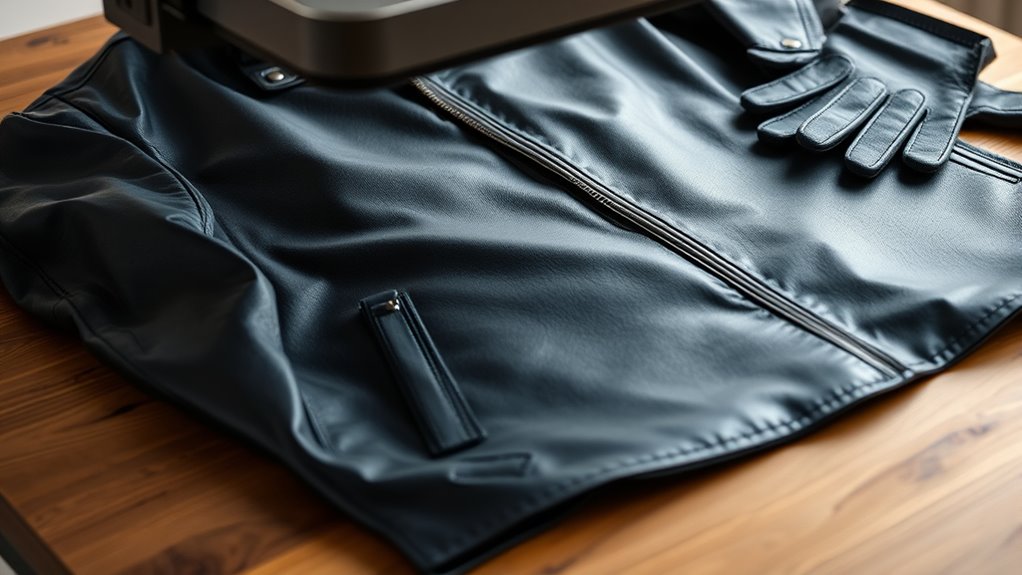
Although heat pressing leather jackets requires care, you can do it safely if you use the right techniques and tools. First, always test on a small, hidden area to check how the leather reacts. Use a heat press with adjustable temperature settings, and keep the heat low—typically around 250°F or less.
Place a protective barrier, like a Teflon sheet or parchment paper, between the press and the leather to prevent direct contact. Apply light pressure and avoid pressing for too long, usually no more than 10-15 seconds. Make sure the leather is clean and dry before you start.
Why Heat Can Damage Leather Jackets
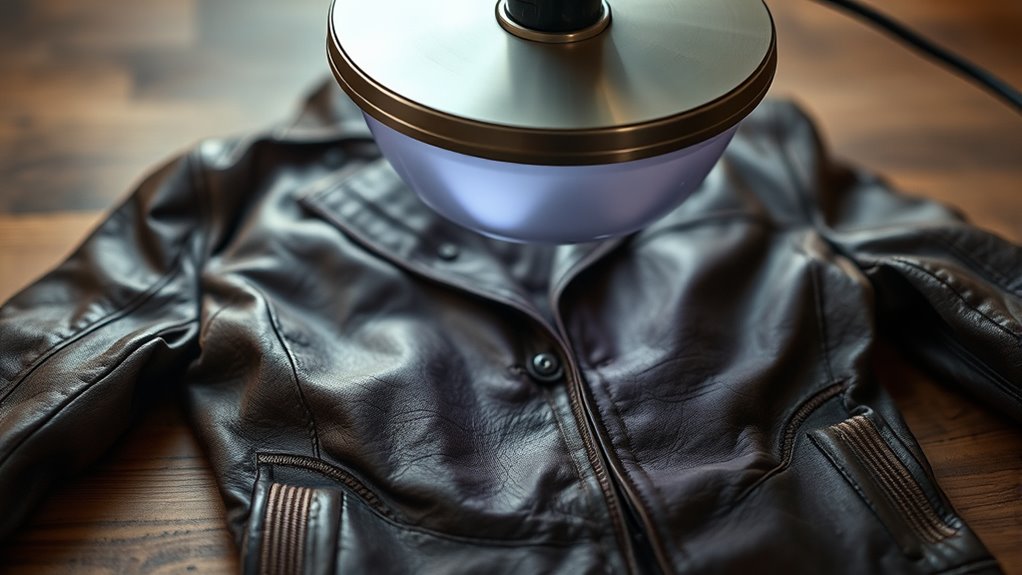
You need to understand that leather is highly sensitive to heat, which can cause its surface to crack. Applying too much heat risks damaging the leather’s finish and overall appearance.
Knowing these dangers helps you protect your jacket during heat pressing.
Leather’s Sensitivity to Heat
Because leather is a natural material, it reacts strongly to heat and can easily become damaged if exposed to high temperatures. When you apply heat to leather, its fibers can shrink, warp, or lose elasticity. This can alter the jacket’s shape and feel, making it less comfortable and less durable.
High heat can also cause the leather’s natural oils to evaporate, leaving it dry and brittle. You might notice discoloration or a change in texture as well, which ruins the jacket’s appearance. Since leather is porous, heat can penetrate unevenly, increasing the risk of damage in certain spots.
To keep your leather jacket looking great, you should avoid exposing it to excessive heat, such as from a heat press, irons, or direct sunlight.
Risk of Surface Cracking
When leather heats up, its surface can dry out quickly, causing tiny cracks to form. You might not notice these cracks right away, but over time, they grow and weaken the leather’s integrity. Heat strips the natural oils that keep leather supple, making it brittle and prone to damage.
If you apply too much heat during a press, you risk irreversible surface cracking that ruins the jacket’s appearance and durability. Even brief exposure to high temperatures can cause these issues, so you have to be very cautious. Protecting your leather means avoiding excessive heat and using lower temperatures when pressing.
Otherwise, you’ll end up with a cracked, worn-out jacket that’s hard to restore.
Impact on Leather Finish
Although heat can help imprint designs onto leather jackets, it often damages the finish by breaking down the protective coatings and altering the leather’s texture. When you apply heat, you risk drying out the natural oils that keep the leather supple, leading to stiffness and a dull appearance. The heat also weakens the top layer, making it more vulnerable to scratches and stains.
If you’re not careful, the leather’s color can fade or change unevenly, ruining your jacket’s original look. You might think a quick press won’t hurt, but even short bursts of high heat can cause irreversible damage. To preserve your jacket’s finish, avoid direct heat or use specially designed methods that protect the leather’s integrity.
How Leather Jacket Types React to Heat Pressing
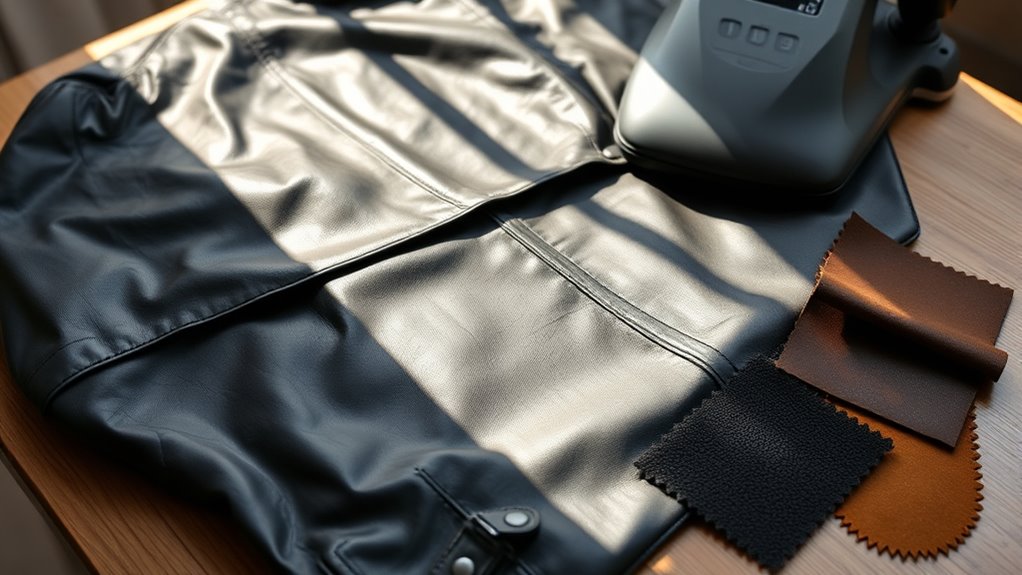
Different types of leather jackets respond uniquely to heat pressing, so you need to understand their specific characteristics before applying heat. Full-grain leather, being the most durable, generally withstands moderate heat well but can still scorch or warp if overheated.
Top-grain leather is slightly more delicate, requiring careful handling to avoid damage to its smoother surface. Suede and nubuck jackets are highly sensitive to heat and moisture, making heat pressing risky as it can easily alter their texture or cause staining.
Correctly identifying your jacket’s leather type helps you adjust your approach, ensuring you protect its appearance. Always test on a small, inconspicuous area first to see how the leather reacts before committing to heat pressing the entire jacket.
Best Temperature Settings for Heat Pressing Leather Jackets
Since leather reacts differently to heat depending on its type, you’ll need to carefully choose the right temperature setting for your heat press. Generally, setting your press between 250°F and 300°F works well for most leather jackets. For delicate or thin leather, aim for the lower end to avoid scorching or warping.
If you’re working with thicker or more durable leather, you can push closer to 300°F but never exceed 320°F to prevent damage. Always test on a small hidden area first to see how the leather responds. Keep the pressing time short—around 10 to 15 seconds—to minimize heat exposure.
Choosing the Right Heat Press Tools for Leather Jackets
You’ll want to pick a heat press machine that offers precise temperature control and even pressure to protect your leather jackets. Using the right accessories, like Teflon sheets and silicone pads, can make a big difference in your results.
Let’s explore how to set the perfect temperature and pressure for your tools.
Selecting Appropriate Heat Press Machines
When working with leather jackets, selecting the right heat press machine is essential to prevent damaging the material while achieving a clean, durable transfer. You’ll want a machine with adjustable temperature and pressure controls so you can fine-tune settings for delicate leather. A pneumatic or manual clamshell press works well, providing even heat distribution without excessive force.
Look for a heat press with a digital timer to prevent overheating, which can cause leather to crack or discolor. Also, consider machines with larger platens if you work on bigger jacket areas, ensuring smooth, wrinkle-free transfers. Avoid heat presses designed only for fabrics, as their pressure or heat range might be too harsh.
Choosing a versatile, controllable machine ensures professional results while protecting your leather jackets.
Best Heat Press Accessories
Although choosing the right heat press machine is essential, using the proper accessories can make all the difference when customizing leather jackets. These tools help protect the leather, guarantee even heat distribution, and improve your overall results.
Here’s a quick guide to the best accessories you should consider:
| Accessory | Purpose |
|---|---|
| Teflon Sheet | Protects leather from direct heat |
| Silicone Pad | Provides even pressure distribution |
| Heat Resistant Tape | Secures designs without damage |
| Protective Pillow | Cushions uneven areas |
| Lint Roller | Removes dust before pressing |
Using these accessories keeps your leather jackets looking flawless while making the heat pressing process smoother and safer for both you and the material.
Temperature and Pressure Settings
Using the right accessories sets the stage, but dialing in the correct temperature and pressure settings guarantees your leather jackets come out perfect every time. Aim for a temperature between 250°F and 300°F; too hot can damage the leather, while too cool won’t activate the adhesive properly. Adjust the pressure to medium—firm enough to ensure good contact but gentle enough to avoid leaving marks or indentations.
How to Heat Press a Leather Jacket: Step-by-Step Guide
Since leather requires careful handling, you’ll need to prepare your workspace and materials before heat pressing your jacket. Start by cleaning the jacket and preheating your press to the recommended temperature. Use a Teflon sheet to protect the leather surface.
Position your design carefully, then apply moderate pressure for the specified time. Once done, let the leather cool completely before moving it.
| Step | Action |
|---|---|
| 1 | Clean jacket surface |
| 2 | Preheat heat press |
| 3 | Place Teflon sheet and design |
| 4 | Press with moderate pressure |
Following these steps will help you achieve a professional finish without damaging your leather jacket.
Precautions to Protect Your Leather Jacket When Heat Pressing
Before you heat press your leather jacket, make certain to set the temperature correctly to avoid damage. Always use a protective barrier like a Teflon sheet to shield the leather from direct heat. It’s also smart to test your settings on a scrap piece of leather first to ensure the best results.
Temperature Settings Guidelines
Although heat pressing can customize your leather jacket beautifully, you’ll need to manage the temperature settings carefully to prevent damaging the material. Leather is sensitive to high heat, and incorrect settings can cause burns, warping, or discoloration.
Follow these guidelines to guarantee a safe pressing process:
- Set your heat press between 250°F and 300°F, adjusting based on the jacket’s thickness.
- Avoid exceeding 300°F, as higher temperatures risk scorching the leather.
- Limit pressing time to 10-15 seconds to prevent overheating.
- Always test on a small, hidden area first to check how your leather reacts to the heat.
Protective Barrier Usage
Managing the right temperature settings is just one step to protect your leather jacket during heat pressing. You also need to use a protective barrier between the heat press and your jacket’s surface. Place a Teflon sheet, parchment paper, or a thin cotton cloth over the area you’re pressing.
This layer prevents direct heat contact, reducing the risk of scorching or shiny marks on the leather. Make sure the barrier fits smoothly without wrinkles to avoid uneven pressure or imprinting. Avoid using plastic or materials that might melt.
Testing On Scrap Leather
Since every piece of leather reacts differently to heat and pressure, you should always test your heat press settings on scrap leather before working on your jacket. This step helps you avoid damaging your jacket by ensuring the temperature, pressure, and time are just right.
Here’s how to approach it:
- Cut a small piece of scrap leather similar to your jacket’s material.
- Set your heat press to the desired temperature and pressure.
- Apply the heat press on the scrap leather for the intended time.
- Inspect the scrap for any discoloration, warping, or texture changes.
If the scrap leather withstands the heat press without damage, you can confidently proceed with your jacket. Testing saves you from costly mistakes and preserves your jacket’s quality.
How to Know If Your Leather Jacket Can’t Handle Heat Pressing
Before you apply heat pressing to your leather jacket, you need to check its material and construction carefully. If your jacket is made from genuine leather with a smooth, finished surface, it might tolerate heat pressing better than suede or aniline leather, which are more sensitive.
Look for any signs of damage like cracks, peeling, or worn spots—these areas won’t hold up well under heat. Also, check the lining and stitching; heat can weaken adhesives or threads not designed for high temperatures. If the leather feels stiff or brittle, it’s a red flag that heat pressing could cause permanent damage.
When in doubt, avoid applying direct heat, as not all leather jackets are built to handle it safely.
Alternatives to Heat Pressing Leather Jackets
If you find your leather jacket isn’t suited for heat pressing, you still have several effective options to customize or refresh it. Here are four alternatives you can try:
- Leather Paints and Markers – Use specially formulated leather paints to add designs or color accents without damaging the material.
- Embroidery – Hand or machine embroidery lets you add texture and unique patterns safely.
- Metal Studs and Rivets – Attach studs or rivets with tools designed for leather to create a bold look.
- Professional Cleaning and Conditioning – Restore your jacket’s appearance and softness with expert cleaning and leather conditioners.
These approaches let you personalize your jacket while preserving its quality and durability.
Applying Patches and Designs Without Heat Pressing
When you want to add patches or designs to your leather jacket without using heat pressing, several reliable methods can help you achieve a professional look. Sewing patches on is a classic technique—use a strong needle and polyester thread to secure them firmly without damaging the leather.
You can also try fabric glue or leather adhesive designed specifically for flexible materials; just apply a thin, even layer and press the patch down firmly. For a more artistic touch, consider leather paint or markers to create custom designs directly on your jacket.
These options let you personalize your leather without risking heat damage, giving you control over placement and style. Just guarantee whatever method you choose is compatible with your jacket’s leather type for the best results.
Caring for Your Leather Jacket After Customization
Once you’ve customized your leather jacket, you’ll want to maintain its look and durability by caring for it properly. Proper care guarantees your design stays vibrant and the leather remains supple.
- Clean Gently: Use a soft cloth and mild leather cleaner to remove dirt without damaging the customization.
- Condition Regularly: Apply a leather conditioner to keep the material soft and prevent cracks.
- Avoid Excess Heat: Keep your jacket away from direct sunlight and heat sources to protect the design and leather.
- Store Properly: Hang your jacket on a wide, padded hanger in a cool, dry place to maintain its shape and prevent wrinkles.
Following these steps helps your customized jacket look great for years to come.
Frequently Asked Questions
Can You Heat Press Leather Jackets at Home Without Professional Help?
You can heat press leather jackets at home, but you’ll need to use low heat and a protective cloth to avoid damage. Practice on scrap leather first, and don’t press too long to prevent burns or marks.
How Long Does a Heat Press Design Last on a Leather Jacket?
Your heat press design can last several years on a leather jacket if you treat it gently. Avoid harsh washing and excessive friction, and your vibrant artwork will stay sharp, like a sunset frozen on supple leather.
Are There Specific Brands of Leather Better Suited for Heat Pressing?
Yes, you’ll find that genuine, full-grain leather brands handle heat pressing better than bonded or synthetic leathers. They resist heat damage and hold designs longer, so always choose high-quality leather for the best results.
Can Heat Pressing Leather Jackets Cause Discoloration Over Time?
Imagine a delicate painting exposed to sunlight; yes, heat pressing leather jackets can cause discoloration over time.
You’ll want to use low heat and test first to keep your jacket’s rich color vibrant and intact.
Is It Possible to Heat Press Leather Jackets With a Regular Household Iron?
You shouldn’t use a regular household iron to heat press leather jackets because it can damage the material.
Instead, use a professional heat press with temperature control to avoid scorching or warping the leather’s surface.
Conclusion
You might wonder if heat pressing leather jackets is safe, but the truth is, heat can easily damage them if you’re not careful. Since different leather types react differently, you need to know your jacket’s limits before applying heat.
If you’re unsure, it’s better to skip the heat press and explore alternatives like sewing patches or using adhesives. Taking care after customization will keep your jacket looking great for years to come.
When considering how to heat press leather jackets, always prioritize caution to avoid ruining the material. Proper care and alternative methods can help maintain your leather jacket’s quality and appearance.