Can You Heat Press Microfiber Towels
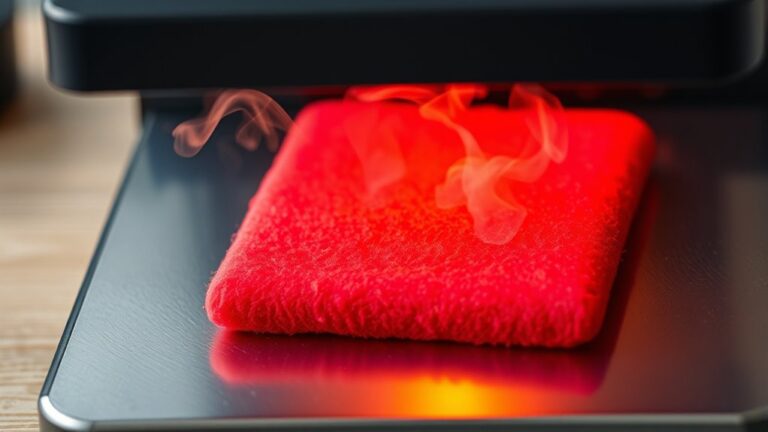
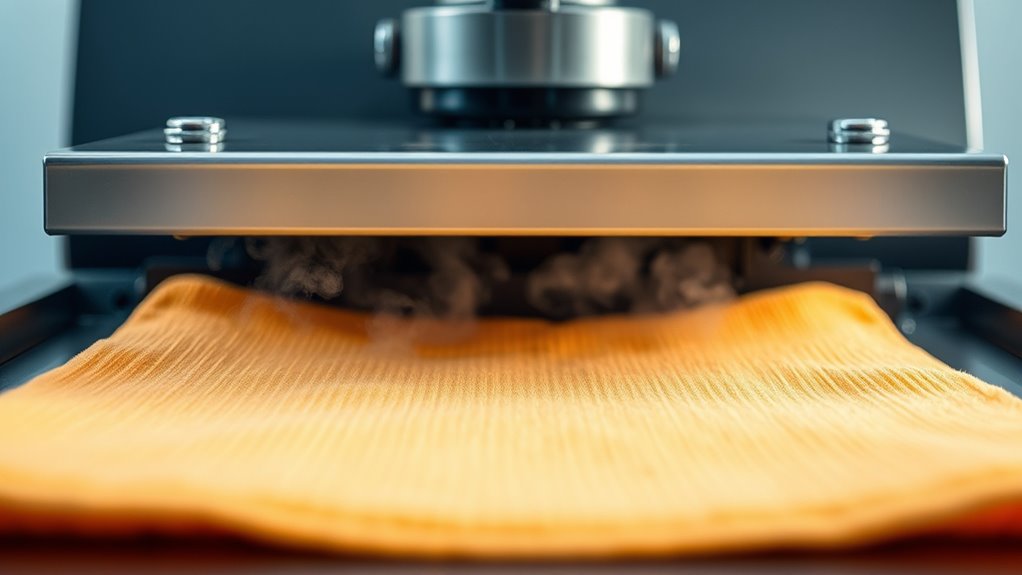
Yes, you can heat press microfiber towels safely by using moderate temperatures, usually between 270°F and 300°F, and applying light to medium pressure for a short time, around 10-15 seconds.
Heat pressing microfiber towels requires careful attention to temperature and pressure to avoid damage. Ensuring the towels are clean, dry, and wrinkle-free before pressing is essential for the best results.
Always use a protective sheet to prevent scorching or residue buildup on the fabric. Choosing heat transfer materials designed specifically for delicate fabrics helps keep your microfiber towels soft and durable.
Follow these tips to avoid damage and improve your heat pressing results, and you’ll find plenty more useful techniques ahead.
Key Takeaways
- Microfiber towels can be heat pressed but require low temperatures (270°F-300°F) to avoid melting or warping synthetic fibers. Use light to medium pressure and short pressing times (10-15 seconds) to prevent fiber damage and discoloration.
- Always place a protective sheet between the heat press and towel to avoid scorching or residue buildup. Test heat press settings on a small towel area first to ensure no damage or stiffness occurs.
- Choose lightweight, fabric-friendly heat transfer materials to maintain towel softness and durability after pressing.
Can You Heat Press Microfiber Towels Safely?
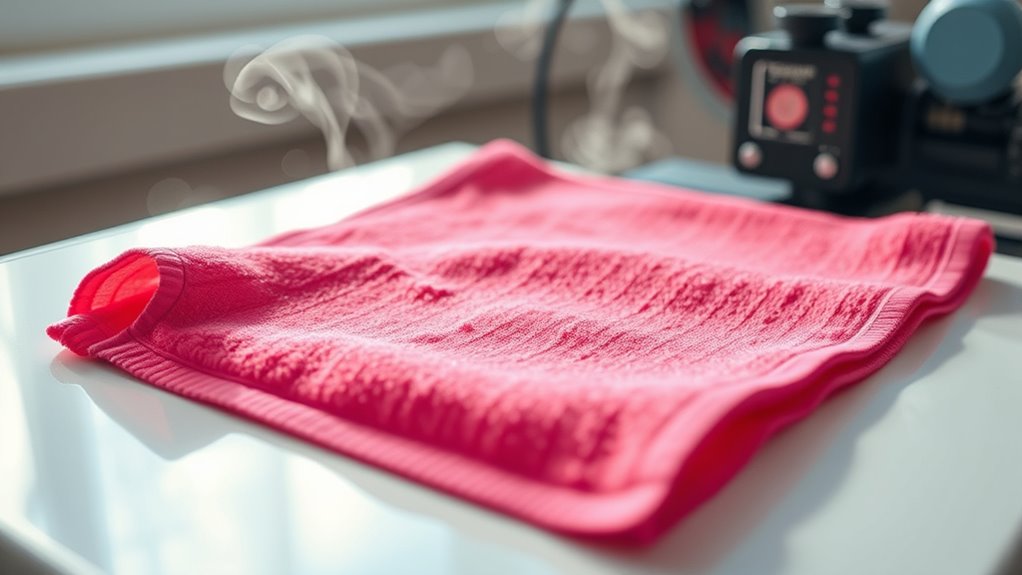
Although microfiber towels are popular for their softness and absorbency, you might wonder if you can heat press them without damage. The good news is that you can, but you need to be cautious. Microfiber is made from synthetic fibers that can melt or warp under excessive heat.
So, it is crucial to avoid very high temperatures and prolonged pressing times. Always test on a small area first to see how your towel reacts. Also, make sure the towel is clean and dry before pressing, as moisture can affect the outcome.
Using a protective sheet between the heat press and the towel helps prevent direct contact and potential scorching. With careful handling, you can safely heat press microfiber towels for customization or branding.
What Heat Settings Work Best for Microfiber Towels?
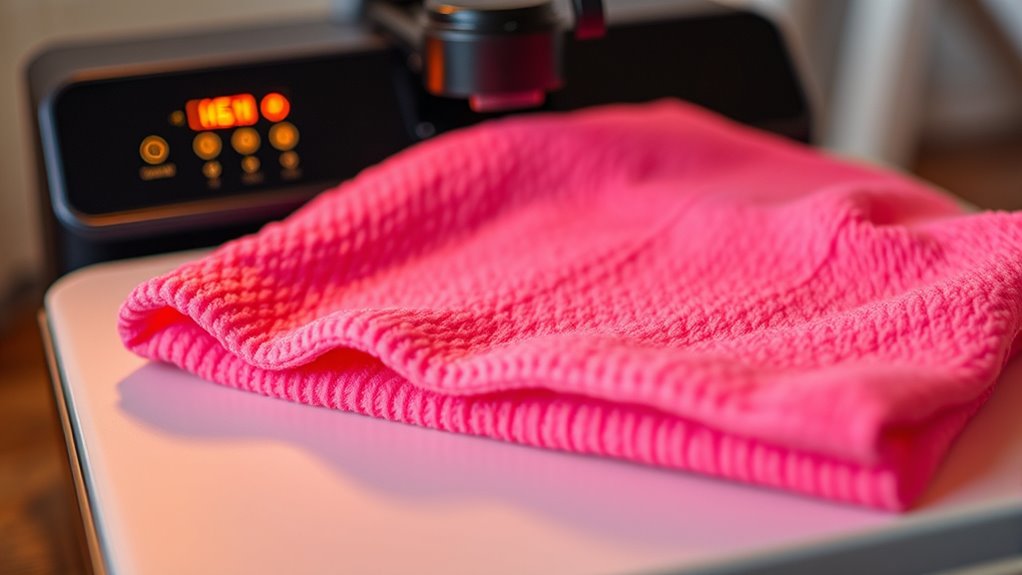
When you heat press microfiber towels, setting the right temperature and time is key to preventing damage while achieving a clear, lasting design. Aim for a medium heat setting, typically between 270°F and 300°F (130°C to 150°C). Pressing too hot can melt the fibers or cause discoloration, while too low a temperature won’t properly transfer your design.
Keep the pressing time short—around 10 to 15 seconds—to avoid overheating. Use light to medium pressure to ensure even contact without crushing the fabric’s texture. Always test on a small towel first since microfiber blends can vary.
Best Heat Transfer Materials for Microfiber Towels
Since microfiber towels have a delicate texture, choosing the right heat transfer materials is essential to keep them soft and durable. You’ll want to pick materials that apply with lower heat and pressure to avoid damaging the fibers.
Vinyl heat transfer sheets, especially those designed for delicate fabrics, work well because they require moderate temperatures and create a smooth finish. You can also use sublimation transfers if your microfiber towels are polyester-based; these offer vibrant, permanent designs without adding bulk.
Avoid heavy or thick transfer materials that could stiffen the towel or clog the fibers. By selecting lightweight, fabric-friendly heat transfer materials, you’ll maintain your microfiber towels’ absorbency and softness while achieving crisp, lasting designs.
How to Prepare Microfiber Towels Before Heat Pressing
Before you heat press microfiber towels, you need to make sure they’re clean and free of any residues that could interfere with the transfer process. Washing the towels beforehand removes oils, dirt, and fabric softeners that might block the heat transfer material from adhering properly. Avoid using bleach or fabric softeners, as they can damage the fibers.
To prepare your microfiber towels effectively:
- Wash them in cold or warm water with a mild detergent.
- Skip the dryer sheets and fabric softeners during drying.
- Iron the towels on a low setting to remove wrinkles without damaging the fabric.
How to Heat Press Microfiber Towels Step by Step
Now that your microfiber towels are prepped, it’s time to set up your heat press correctly. You’ll want to use the right temperature and pressure to avoid damaging the fabric.
Follow these steps closely to get the best results every time.
Preparing Towels Properly
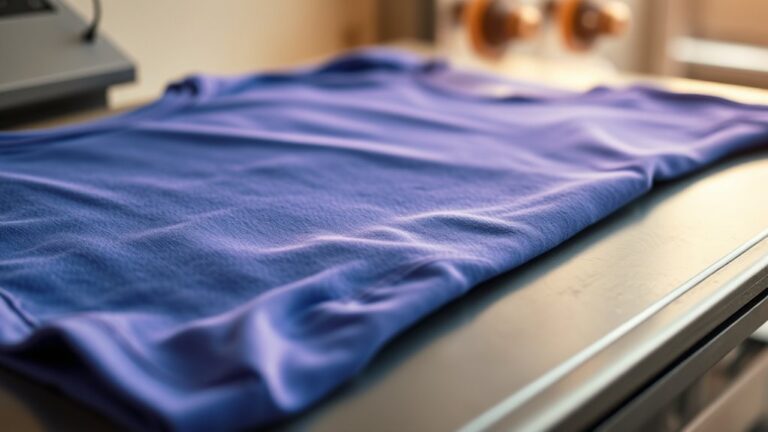
Although heat pressing microfiber towels might seem straightforward, preparing them properly is essential to achieve a crisp, lasting design. First, wash your towels without fabric softener or bleach to remove any residues that could affect adhesion. Next, dry them thoroughly to avoid moisture interfering with the heat transfer process.
Finally, iron the towels on a low setting to smooth out wrinkles, ensuring an even pressing surface.
To prepare your microfiber towels correctly:
- Wash towels in cold water with mild detergent, no fabric softener
- Fully dry towels before heat pressing
- Lightly iron towels to remove creases and ensure a flat surface
Following these steps helps your design adhere well and prevents imperfections during heat pressing.
Optimal Heat Press Settings
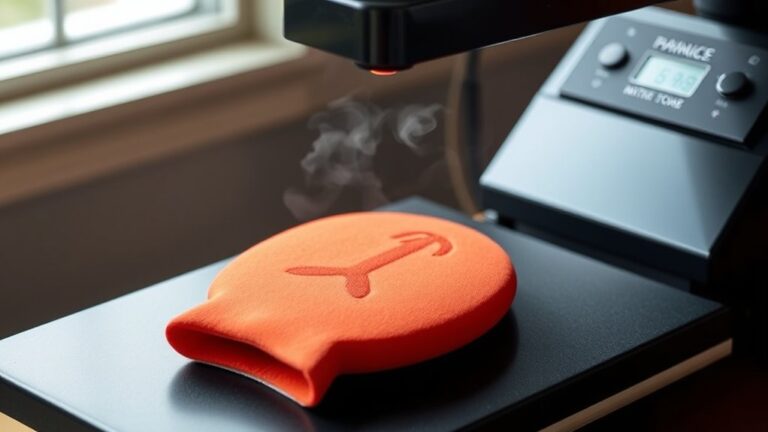
When you heat press microfiber towels, setting the right temperature, pressure, and time is essential to guarantee your design adheres perfectly without damaging the fabric. Start by preheating your press to around 300°F (149°C). Use medium pressure—too much can crush the fibers, while too little won’t transfer the design properly.
Place a Teflon sheet or parchment paper over the towel to protect both the fabric and the press. Press for 10 to 15 seconds to ensure the design bonds without overheating. After pressing, carefully peel off the transfer while it’s warm to avoid cracking.
Adjust settings slightly if your first attempt isn’t perfect, but always stay within these parameters to maintain the towel’s softness and durability.
Mistakes to Avoid When Heat Pressing Microfiber Towels
Because microfiber towels require specific handling during heat pressing, you’ll want to avoid common mistakes that can damage the fabric or ruin your design. One major error is using excessive heat, which can melt or warp the fibers and distort your print.
Another is applying too much pressure, risking fabric compression that leaves permanent marks. Finally, neglecting to use a protective sheet can cause scorching or adhesive residue buildup on your towel.
Here are three key mistakes to avoid:
- Using temperatures above recommended settings
- Applying heavy pressure during heat pressing
- Skipping a Teflon sheet or parchment paper as a barrier
Caring for Microfiber Towels After Heat Pressing
To keep your heat-pressed microfiber towels looking vibrant and lasting longer, you’ll need to follow proper care instructions right after pressing. Avoid washing them in hot water or using bleach, as this can damage the print and fibers.
Instead, wash towels in cold or warm water with mild detergent. Skip fabric softeners—they can clog microfiber strands and reduce absorbency. Air drying or tumble drying on low heat preserves the print and fabric integrity.
| Care Step | Why It Matters |
|---|---|
| Wash cold/warm | Protects print and microfibers |
| Use mild detergent | Avoids harsh chemicals |
| No fabric softener | Maintains absorbency |
| Low heat drying | Prevents damage to prints |
| Avoid bleach | Stops fiber and print degradation |
Other Ways to Customize Microfiber Towels Besides Heat Pressing
If heat pressing isn’t your style, you’ve got other great options to customize your microfiber towels. You can try embroidery for a textured, durable design or screen printing for vibrant, bold colors.
Fabric paints also let you get creative with unique, hand-painted details.
Embroidery Techniques
How can you add a personal touch to microfiber towels without using heat press? Embroidery offers a durable, elegant way to customize these towels. You can stitch names, logos, or intricate designs directly onto the fabric, ensuring the decoration lasts through multiple washes.
Plus, embroidery adds a textured, professional look that heat pressing can’t match.
Here are some embroidery techniques you might consider:
- Machine Embroidery: Use computerized machines for precise, consistent designs.
- Freehand Embroidery: Hand-stitch unique, artistic patterns for a personal feel.
- Appliqué: Sew fabric patches onto towels, combining embroidery with texture.
Each method brings a distinct style and durability, letting you customize microfiber towels creatively without relying on heat press methods.
Screen Printing Methods
Although heat pressing is popular, screen printing offers a versatile alternative to customize microfiber towels with vibrant, long-lasting designs. When you use screen printing, you apply ink directly onto the towel through a mesh stencil, allowing for sharp, detailed images and bold colors. This method works well for bulk orders since it’s cost-effective once you set up the screens.
You’ll want to use inks specially formulated for synthetic fabrics like microfiber to guarantee durability and prevent ink from cracking or peeling. Plus, screen printing lets you print multiple colors with precision, giving you creative freedom beyond heat transfer limitations. Just remember to cure the ink properly, usually with heat or air drying, to lock in your design for lasting wear.
Fabric Paint Applications
When you want to add a personal touch to microfiber towels without relying on heat pressing, fabric paint applications offer a flexible and creative option. You can easily customize towels with vibrant colors and unique designs using fabric paints that bond well with microfiber’s synthetic fibers. This method lets you experiment with different techniques to achieve the look you want.
Here are some effective fabric paint applications to try:
- Stenciling: Use stencils to create sharp, repeatable patterns or logos.
- Freehand Painting: Express your creativity by painting custom designs directly onto the towel.
- Stamping: Apply paint to rubber stamps for quick, consistent motifs.
Each technique gives you control over your towel’s style without the need for heat, making fabric paints a versatile choice for customization.
Frequently Asked Questions
Can Microfiber Towels Be Used for Cleaning Electronics?
Yes, you can use microfiber towels for cleaning electronics. They’re gentle, non-abrasive, and won’t scratch screens or surfaces.
Just make sure they’re clean and dry to avoid leaving streaks or damaging sensitive components.
Are Microfiber Towels Environmentally Friendly?
You should know microfiber towels can reduce water usage by up to 90% compared to traditional cleaning. They’re environmentally friendly since you’ll use fewer chemicals and wash them less often, cutting down waste and pollution effectively.
How Long Do Microfiber Towels Typically Last?
Microfiber towels typically last between 300 to 500 washes if you care for them properly. You’ll want to avoid fabric softeners and high heat to keep their fibers intact and extend their lifespan effectively.
Proper washing and drying techniques are essential to maintain their quality. Avoid using bleach or harsh detergents, as these can damage the fibers.
Can Microfiber Towels Be Washed With Bleach?
You shouldn’t wash microfiber towels with bleach, and you shouldn’t use fabric softener either. Both can damage the fibers, reduce absorbency, and shorten their lifespan.
Instead, wash them gently with mild detergent and warm water.
What Is the Difference Between Microfiber and Cotton Towels?
Microfiber towels dry faster and trap dirt better because of tiny synthetic fibers, while cotton towels absorb more water and feel softer.
You’ll find microfiber great for cleaning, and cotton better for drying and comfort.
Conclusion
You can safely heat press microfiber towels with the right settings and materials. Did you know microfiber towels can absorb up to seven times their weight in water? That makes customizing them super practical for everyday use.
Just remember to prep your towels well, avoid high heat, and choose compatible transfer materials. With careful steps, your personalized microfiber towels will look great and last longer. Proper heat pressing techniques ensure your designs stay vibrant on microfiber towels.
By following these tips, you can create durable and attractive microfiber towels that highlight the benefits of heat pressing microfiber towels effectively.