Can I Use a Heat Press on Polyester
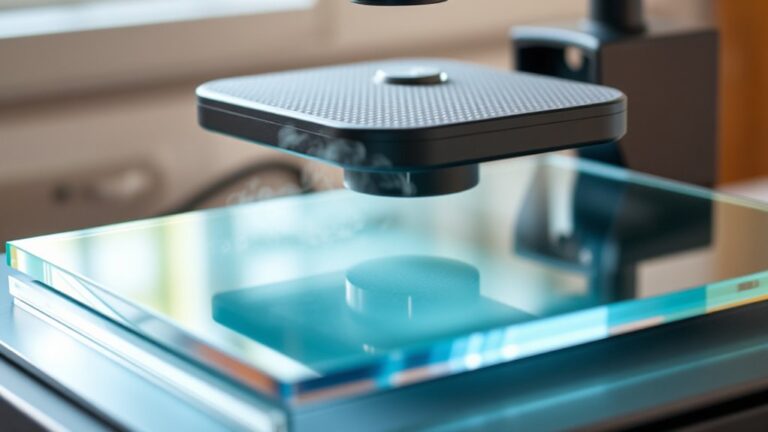
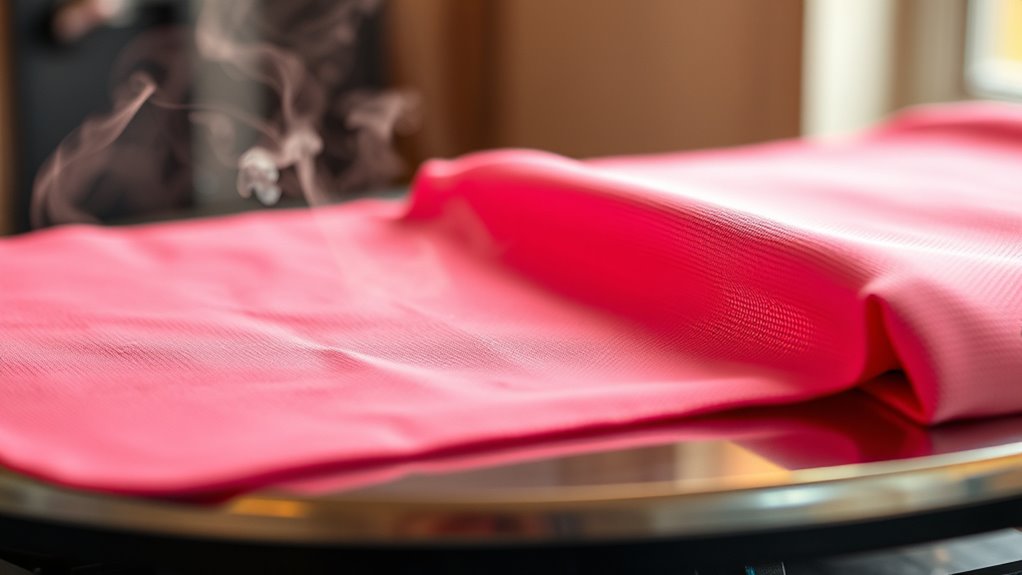
Yes, you can use a heat press on polyester, but it requires careful attention to temperature and preparation to avoid damaging the fabric. Polyester is a synthetic material that can melt or warp if exposed to excessive heat. Therefore, controlling the heat press settings is crucial for successful application.
Keep your heat between 270°F and 300°F, use medium pressure, and always protect the material with a Teflon sheet or parchment paper. These precautions help shield the polyester from direct heat and prevent scorching or melting.
Pre-pressing the fabric before applying your design ensures better adhesion and fewer wrinkles.
Always test on a small, inconspicuous area first to make sure the settings are safe for your specific polyester garment. Following these steps guarantees vibrant, long-lasting results.
There’s more to master for the best outcome and care, so take your time and practice for perfect heat press projects on polyester.
Key Takeaways
- Yes, you can use a heat press on polyester, but temperature must be carefully controlled to avoid melting or scorching.
- Optimal heat press settings for polyester are typically 270°F to 300°F with medium pressure for 10-15 seconds.
- Always pre-press polyester fabric to remove moisture and lay it flat to prevent wrinkles before applying heat transfers.
- Use protective layers like Teflon sheets or parchment paper to evenly distribute heat and protect the fabric during pressing.
- After pressing, let the fabric cool before peeling transfers and wait 24 hours before washing to ensure proper adhesion.
Is Heat Pressing Polyester Safe?
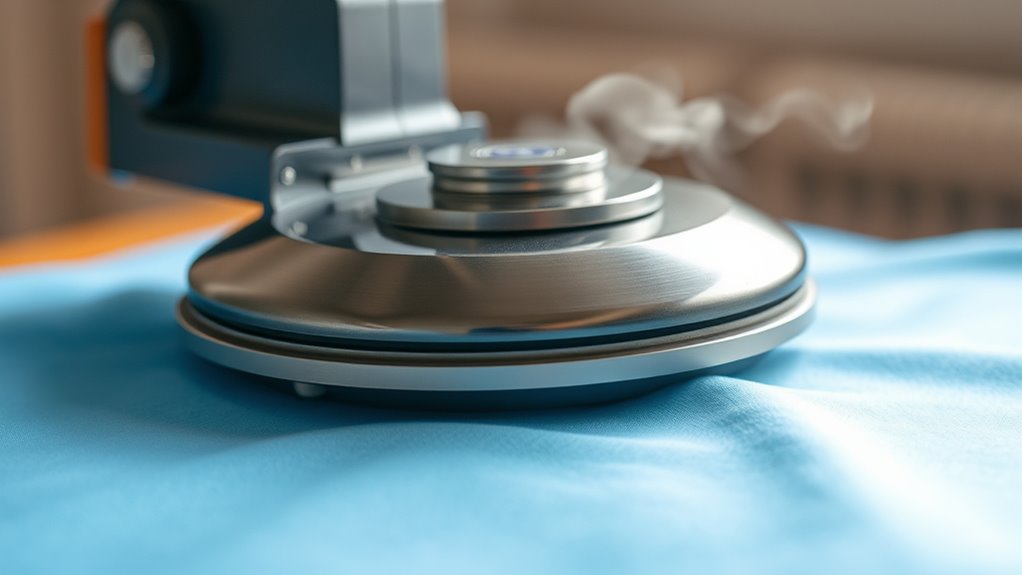
When heat pressing polyester, you need to be cautious because the fabric is sensitive to high temperatures. You might worry about melting or warping the material, but if you handle it correctly, heat pressing polyester is safe. The key is to avoid exposing the fabric to extreme heat or prolonged pressing times.
When you press polyester, you’re fundamentally bonding designs onto it, which requires careful control of heat and pressure. If you’re careful, you’ll prevent damage like scorching, puckering, or melting. Polyester’s synthetic nature means it reacts differently than natural fibers, so you can’t treat it the same way.
Ultimately, heat pressing polyester is safe as long as you understand its sensitivity and adjust your approach to protect the fabric throughout the process.
Safe Temperature and Settings for Polyester Heat Pressing
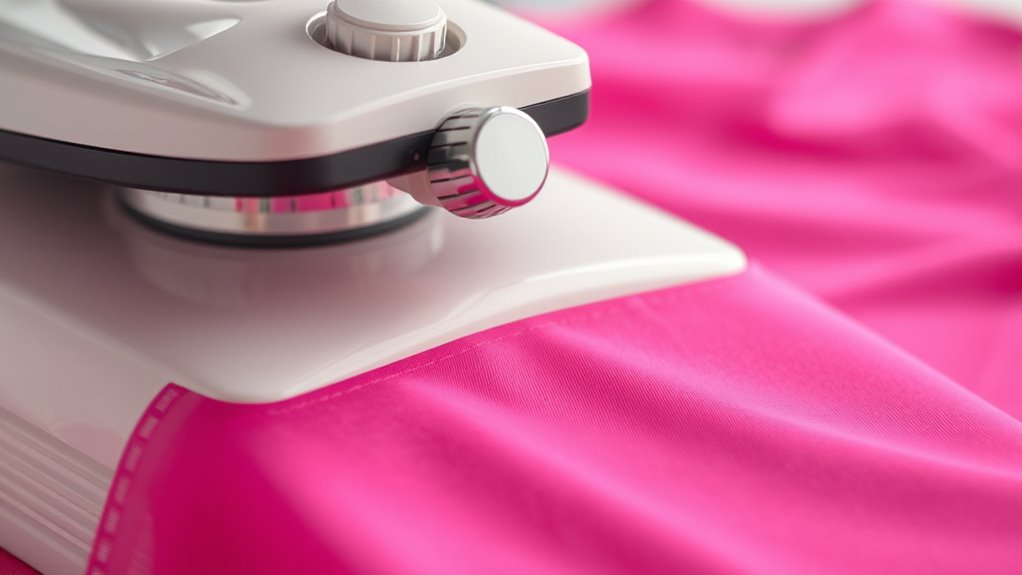
You’ll want to set your heat press to around 300°F to protect your polyester fabric from damage. Pressing for about 10 to 15 seconds usually gives the best results without risking melting or discoloration.
Stick to these settings to keep your polyester looking sharp and vibrant.
Ideal Heat Press Temperature
Although polyester is durable, it requires careful temperature control during heat pressing to prevent melting or damage. You should set your heat press between 270°F and 300°F (132°C to 149°C) for most polyester fabrics. Staying within this range guarantees the material doesn’t warp or lose its shape.
Going above 300°F risks melting the fibers, while lower temperatures might not properly transfer your design. Always check your specific polyester garment’s care label or the transfer material instructions for the best guidance. Using a protective sheet, like a Teflon sheet or parchment paper, can also help distribute heat evenly and avoid scorching.
Recommended Pressing Duration
Because polyester is sensitive to heat, maintaining the correct pressing duration is just as important as temperature control. If you press too long, you risk melting or warping the fabric. Typically, a pressing time of 10 to 15 seconds works well at 300°F (149°C).
For delicate polyester blends, shorten the time to prevent damage. Always use a Teflon sheet or parchment paper to protect your garment. Here’s a quick guide to help you set your heat press safely:
| Fabric Type | Temperature (°F) | Pressing Time (Seconds) |
|---|---|---|
| Pure Polyester | 300 | 10-15 |
| Polyester Blend | 280 | 8-12 |
| Delicate Polyester | 270 | 6-10 |
| Mesh Polyester | 260 | 6-8 |
| Polyester Satin | 250 | 5-7 |
How to Prepare Polyester Fabric for Heat Pressing
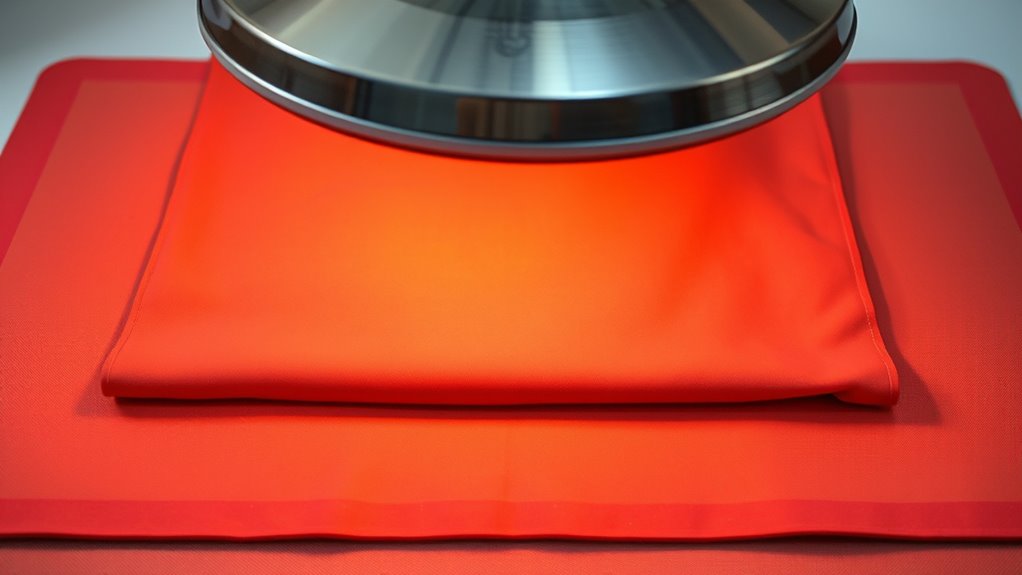
Before heat pressing polyester fabric, start by thoroughly cleaning and drying the material to remove any dirt, oils, or residues that could affect adhesion. Lay your fabric flat on a smooth surface to prevent wrinkles, as creases can interfere with the heat press results. Use a lint roller or brush to clear away any particles that might compromise the design’s clarity.
Pre-press the fabric for a few seconds to eliminate moisture and flatten it, guaranteeing a smooth surface for transfer. Make sure the fabric is completely dry before applying heat to avoid steam damage. Finally, position your design carefully, double-checking alignment to guarantee accurate placement once pressed.
Preparing your polyester this way helps achieve crisp, long-lasting heat press results.
Protective Steps to Prevent Polyester Damage
To protect your polyester fabric during heat pressing, you need to control the temperature carefully and avoid direct heat contact. Always use protective layers like Teflon sheets or parchment paper to shield the fabric.
These steps will help prevent damage and keep your polyester looking great.
Temperature Control Importance
When you use a heat press on polyester, controlling the temperature precisely is essential to avoid damaging the fabric. Polyester is sensitive to high heat and can melt or warp if the temperature is too high.
Keeping the heat within a safe range guarantees your designs transfer cleanly without ruining your garment.
Here’s a quick reference table for temperature control:
| Temperature Setting (°F) | Effect on Polyester |
|---|---|
| Below 250 | Insufficient transfer |
| 250 – 300 | Ideal, safe for most designs |
| 300 – 320 | Use caution; risk of damage |
| Above 320 | High risk of melting/fusing |
| Over 350 | Almost certain fabric damage |
Always monitor and adjust your press temperature to protect your polyester items effectively.
Using Protective Layers
Temperature control alone won’t fully protect your polyester fabric during heat pressing. You need to use protective layers to shield the material from direct contact with the heat platen. Place a Teflon sheet or a piece of parchment paper over your design before pressing.
This barrier prevents scorching, melting, or shiny marks on the fabric. Additionally, a thin cotton cloth can work as a buffer, absorbing excess heat and distributing it evenly. Protective layers also help keep your heat press clean by catching adhesive residue or ink.
Avoiding Direct Heat
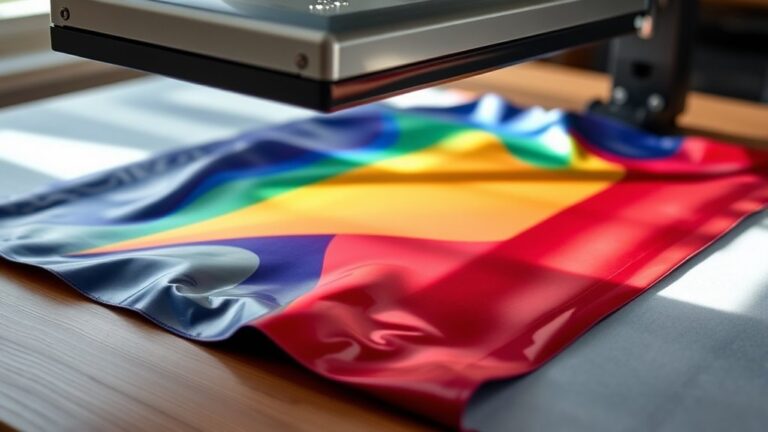
Although polyester is durable, it can easily suffer from direct heat exposure during pressing. To protect your polyester fabric, always avoid placing the heat press plate directly on it. Use a protective barrier like a Teflon sheet or parchment paper between the press and the fabric.
This layer shields the polyester from intense heat and prevents scorching or melting. Additionally, set your heat press to a lower temperature and shorter pressing time specifically recommended for polyester. Never leave the heat press unattended while in contact with the fabric, as overheating happens quickly.
Best Designs and Materials for Polyester Heat Pressing
Since polyester is sensitive to high heat, you’ll want to choose designs and materials that withstand lower temperatures without sacrificing quality. Opt for heat transfer vinyl (HTV) specifically made for polyester or polyester blends, as it adheres well at moderate temperatures. Sublimation prints are another excellent choice because they bond with polyester fibers without needing excessive heat.
When selecting designs, go for simple, bold graphics that transfer evenly and avoid intricate details that might not press cleanly. Also, consider using a Teflon sheet or parchment paper as a protective barrier during pressing to prevent scorching. By picking the right materials and straightforward designs, you guarantee your polyester projects come out vibrant and durable without risking damage from overheating.
Avoid Common Heat Press Mistakes on Polyester
When working with polyester, you need to handle the heat press carefully to avoid ruining your fabric or design. First, never apply excessive heat—polyester melts easily, so stick to moderate temperatures, usually around 300°F or less. Avoid pressing too long; 10-15 seconds is generally enough.
Don’t skip using a protective sheet, like parchment paper or a Teflon sheet, to prevent scorching or shiny marks. Also, make certain your fabric is clean and wrinkle-free before pressing to get smooth, even results. Avoid pressing directly on the design without a protective barrier, as this can cause distortion.
Finally, don’t rush the cooling process; let the fabric cool before peeling any transfer to prevent cracking or lifting. Following these tips keeps your polyester projects looking sharp.
Using Heat Transfer Vinyl on Polyester: What You Need to Know
If you want your heat transfer vinyl (HTV) designs to adhere well and last on polyester, you’ll need to adapt your approach slightly compared to other fabrics. Polyester can be sensitive to high temperatures, so using a moderate heat setting and shorter pressing time helps avoid damage. Always test a small area first and use a Teflon sheet or parchment paper to protect the fabric and vinyl.
| Step | Temperature (°F) | Time (seconds) |
|---|---|---|
| Preheat fabric | 300 | 5 |
| Press HTV | 305 | 10-15 |
| Apply pressure | Medium | – |
| Peel vinyl | Warm or cold | – |
| Cool down | Room temperature | – |
Following these tips guarantees your HTV sticks well and stays vibrant on polyester.
Caring for Polyester After Heat Pressing
After applying heat transfer vinyl to polyester, proper care helps maintain your design’s look and longevity. Always wait at least 24 hours before washing to allow the vinyl to fully adhere. Turn your garment inside out to protect the design during washing.
Use cold water and a gentle cycle to prevent fading and peeling. Avoid bleach and fabric softeners, as they can damage both the polyester and the vinyl. When drying, opt for air drying or tumble dry on low heat to preserve the print.
Iron carefully on the reverse side if needed, and never apply direct heat to the vinyl. Following these steps guarantees your heat-pressed polyester stays vibrant and durable for many wears to come.
Frequently Asked Questions
Can I Use a Heat Press on Polyester Blends?
Yes, you can use a heat press on polyester blends, but you’ll need to lower the temperature and shorten the pressing time to avoid melting or damaging the fabric.
Always test a small area first for best results.
How Long Does a Heat Press Design Last on Polyester?
Don’t worry about designs fading quickly; with proper heat press settings and quality materials, your design on polyester can last years. Just avoid excessive washing and high heat, and you’ll keep your print vibrant and durable.
Does Humidity Affect Heat Pressing Polyester?
Yes, humidity affects heat pressing polyester because moisture can cause fabric to wrinkle or affect adhesive bonding. You should control humidity levels to guarantee a smooth press and better transfer durability when working with polyester materials.
Can I Wash Heat-Pressed Polyester Immediately?
You shouldn’t wash heat-pressed polyester immediately. Wait at least 24 hours to let the design fully set. Washing too soon can cause the print to peel or fade,
so give it time to cure properly.
What Heat Press Brand Is Best for Polyester?
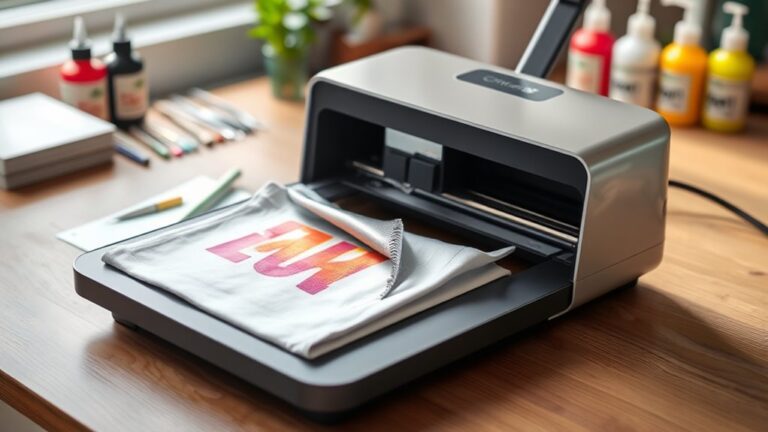
You’ll find brands like Cricut EasyPress and PowerPress to be wonderfully reliable for polyester. They balance heat and pressure just right, so you won’t have to worry about any “warm surprises” ruining your fabric’s look.
Conclusion
You can absolutely make polyester shine with a heat press, but treat it like a delicate dance partner—too hot or rushed, and you’ll miss a step. Keep your temperature cool and your timing just right to avoid scorching.
With the right care, your polyester creations will stay vibrant and strong, like a flame that never flickers.
So, press on confidently, knowing you hold the power to bring your designs to life safely and beautifully. Using a heat press on polyester requires attention to detail, but with proper technique, you can achieve stunning, long-lasting results every time.