Can You Heat Press Non Woven Polypropylene
You can safely heat press non woven polypropylene by keeping the temperature below its melting point, ideally between 100-115°C (212-239°F), and using light to medium pressure. This method ensures the fabric maintains its structure without damage.
Heat pressing non woven polypropylene requires careful attention to settings for optimal results.
Avoid pressing for too long to prevent warping or melting, and always protect the fabric with a Teflon or parchment sheet. These precautions help maintain the quality and longevity of your design.
Testing on scrap material first is essential to get the settings right.
If you want to create vibrant, lasting designs without damaging the fabric, there are key tips and precautions you’ll want to know next. Following these guidelines will help you achieve professional results every time.
Key Takeaways
- Non woven polypropylene can be heat pressed safely at temperatures below 120°C (248°F) to avoid melting or warping.
- Use light to medium pressure and press for 10-15 seconds to protect the fabric’s integrity during heat pressing.
- Always place a protective sheet like Teflon or parchment paper between the heat press and polypropylene to prevent damage.
- Test heat press settings on scrap material first to ensure optimal temperature, time, and pressure without fabric degradation.
- Avoid exceeding 270°F (132°C) and prolonged pressing to prevent melting, warping, or burning of non woven polypropylene.
What Is Non Woven Polypropylene And How Does It React To Heat?
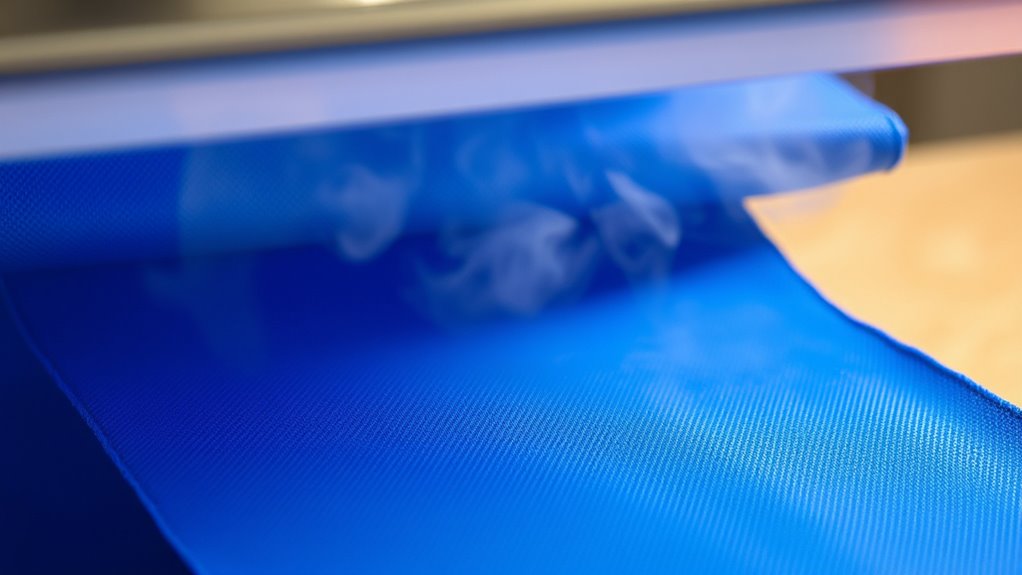
Although you might not be familiar with non woven polypropylene, it’s a versatile synthetic fabric made by bonding polypropylene fibers together without weaving. You’ll find it lightweight, durable, and resistant to moisture and chemicals, which makes it perfect for reusable bags, medical masks, and packaging materials.
When it comes to heat, this fabric behaves differently than woven textiles. Polypropylene has a relatively low melting point around 160°C (320°F), so if you expose it to high heat, it can warp, melt, or even burn. You need to be careful because applying direct heat can damage the material quickly.
Instead, it tolerates gentle warmth but won’t withstand intense heat for long. Understanding this helps you handle the fabric properly in various applications.
Can You Safely Heat Press Non Woven Polypropylene?
You can safely heat press non woven polypropylene if you understand its heat resistance limits and follow temperature guidelines carefully. Pressing at too high a temperature can damage the material, so you need to keep your heat press settings within a safe range.
Always take safety precautions to avoid melting or warping the fabric during the process.
Heat Resistance Properties
How much heat can non woven polypropylene handle before it risks damage? Typically, it withstands temperatures up to about 120°C (248°F) without melting or deforming. Beyond this, the fibers soften, risking warping or melting.
Knowing this helps you avoid ruining your material when heat pressing.
Here’s a quick look at its heat resistance:
| Property | Approximate Value | Effect at High Heat |
|---|---|---|
| Melting Point | 130-171°C (266-340°F) | Fibers start melting |
| Softening Point | ~110-120°C (230-248°F) | Material becomes pliable |
| Degradation Temp | >200°C (392°F) | Material breaks down |
| Heat Resistance | Moderate | Suitable for low-temp pressing |
Keep these properties in mind to press safely without damaging your polypropylene.
Temperature Guidelines
Since non woven polypropylene has a relatively low softening point, you’ll need to keep your heat press temperatures below 120°C (248°F) to avoid warping or melting the material. Precise temperature control is essential for successful pressing. Here’s how you can manage it:
- Set your heat press between 100°C and 115°C (212°F – 239°F) to stay safely under the softening point while ensuring proper adhesion.
- Use a timer of 10-15 seconds to prevent overheating and maintain material integrity.
- Test on a small scrap piece first to check for any distortion or melting before pressing your final item.
Safety Precautions
When pressing non woven polypropylene, what safety measures should you keep in mind to protect both yourself and the material? First, always work in a well-ventilated area since heating polypropylene can release fumes. Avoid overheating—the recommended temperature range is vital to prevent melting or burning.
Use heat-resistant gloves to protect your hands from burns when handling the heat press. Keep a fire extinguisher nearby as a precaution against accidental fires. Never leave the heat press unattended while in use.
Additionally, test on a scrap piece before pressing your final item to verify settings are safe and effective. Following these precautions helps you create quality results without risking health or damage to your materials.
How Should You Prepare Non Woven Polypropylene For Heat Pressing?
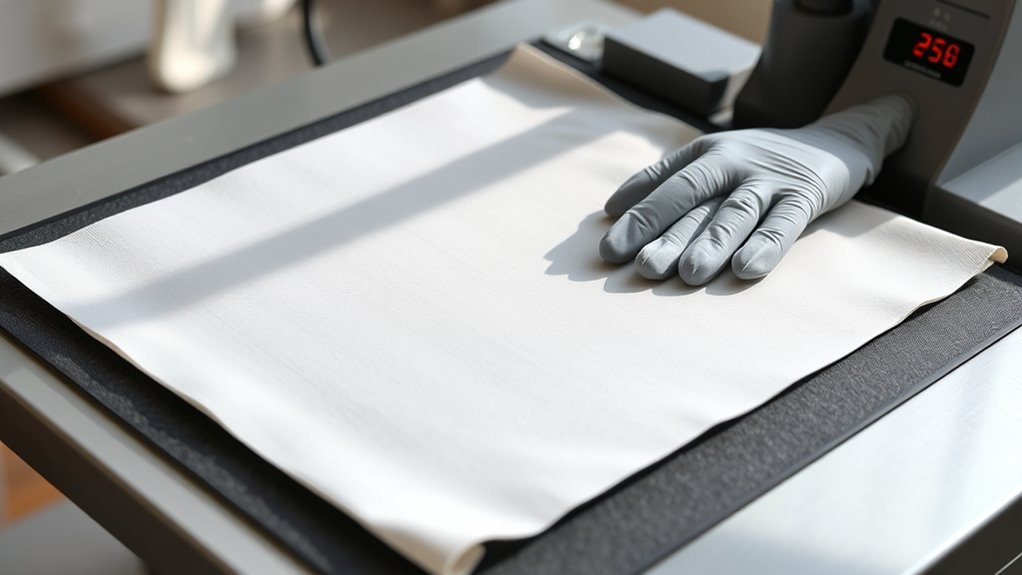
Before you start heat pressing non woven polypropylene, make certain the material is clean and completely dry to avoid any damage. You’ll also want to set the temperature and pressure carefully to protect the fabric’s integrity.
Getting these steps right ensures a smooth and effective heat pressing process.
Cleaning And Drying
Although non woven polypropylene is durable, you should clean and dry it thoroughly before heat pressing to guarantee ideal adhesion and prevent damage. Dirt, oils, or moisture can interfere with the transfer, causing uneven bonding or wrinkles.
Here’s how to prepare your material:
- Clean Gently: Use a soft brush or lint roller to remove dust and debris. Avoid harsh chemicals that might degrade the fibers.
- Spot Clean: For stubborn stains, lightly dab with a mild detergent solution and a soft cloth; don’t soak the fabric.
- Dry Completely: Air dry or use a low-heat setting on a dryer to ensure the material is fully dry before pressing.
Following these steps helps assure a smooth, durable finish when you apply heat transfers to non woven polypropylene.
Temperature And Pressure Settings
Since non woven polypropylene is sensitive to heat, you’ll need to carefully control the temperature and pressure settings on your heat press to avoid melting or warping the material. Set your heat press to a low temperature, typically between 250°F and 300°F (120°C to 150°C). Avoid going beyond this range, as higher heat will damage the fibers.
Use light to medium pressure to prevent compressing or distorting the fabric. Too much pressure can crush the material and ruin the texture. You’ll also want to keep the pressing time short—usually 10 to 20 seconds is enough.
Test a small scrap piece first to fine-tune your settings. By balancing temperature and pressure carefully, you’ll get clean, crisp results without compromising the integrity of your non woven polypropylene.
What Are The Best Heat Press Settings For Non Woven Polypropylene?
When you’re heat pressing non woven polypropylene, choosing the right settings is crucial to avoid melting or warping the material. You want to balance temperature, pressure, and time carefully to get the best results without damage.
Here are the best settings to follow:
- Temperature: Set your heat press between 250°F and 270°F (121°C to 132°C). Going higher risks melting the polypropylene fibers.
- Pressure: Use light to medium pressure. Too much pressure can crush the fabric texture, while too little may cause poor adhesion.
- Time: Press for 10 to 15 seconds. Longer exposure can deform the material, but too short won’t secure your design properly.
Always test a small piece first to fine-tune these settings for your specific project.
Which Heat Transfer Materials Work Best On Non Woven Polypropylene?
If you want your design to last and look sharp on non woven polypropylene, choosing the right heat transfer material is vital. Some materials bond better and resist peeling or cracking on this fabric type. Vinyl and sublimation transfers often provide the best durability and vibrant results, while screen-printed transfers work well for complex designs.
| Material Type | Durability | Best Use Case |
|---|---|---|
| Heat Transfer Vinyl (HTV) | High | Simple logos, bold colors |
| Sublimation Transfers | Medium-High | Full-color, photographic images |
| Screen-Printed Transfers | Medium | Detailed, multi-color designs |
Selecting from these guarantees your project holds up through use and washing, keeping your design vibrant and intact.
Mistakes To Avoid When Heat Pressing Polypropylene
Although heat pressing non woven polypropylene can produce excellent results, you need to avoid common mistakes that compromise your design’s quality and durability. First, don’t use excessive heat—polypropylene melts at relatively low temperatures, so high heat can cause warping or melting. Second, avoid pressing for too long; prolonged heat exposure weakens the fabric and distorts the transfer.
Third, never skip testing on a scrap piece; this helps you fine-tune temperature, pressure, and timing without ruining your final project. By steering clear of these errors, you’ll guarantee your designs stay vibrant and intact. Keep your heat press settings moderate, monitor pressing time carefully, and always test first to get the best results on non woven polypropylene.
How Can You Protect Non Woven Polypropylene During Heat Pressing?
Since non woven polypropylene is sensitive to heat, you’ll need to take specific precautions to protect it during heat pressing. First, always use a protective sheet, like a Teflon or parchment paper, between the heat press and the material to avoid direct contact and prevent melting.
Lower the temperature settings to around 250°F or less, and reduce pressing time to avoid overheating. Test on a scrap piece to find the right balance. Use light to moderate pressure instead of heavy pressure, which can deform the fabric.
Additionally, allow the material to cool properly before handling it to maintain its shape and integrity. Following these steps will help you heat press non woven polypropylene safely and effectively.
What Creative Projects Can You Make With Heat Pressed Polypropylene?
When you heat press non woven polypropylene, you open up a world of creative possibilities that combine durability with vibrant customization. You can transform this material into eye-catching, functional items that last. Here are three project ideas to get you started:
- Reusable Shopping Bags: Design personalized, sturdy bags that stand out at the store while promoting eco-friendliness.
- Custom Storage Organizers: Create colorful, lightweight organizers or bins that add style and order to your space.
- Event Decorations: Make banners, table runners, or signage with vivid colors that hold up well during celebrations.
Each project benefits from polypropylene’s strength and heat press adaptability, letting you add unique designs without compromising the fabric’s integrity. With these options, your creativity can truly shine in practical, everyday uses.
Frequently Asked Questions
Can Non Woven Polypropylene Be Recycled After Heat Pressing?
Yes, you can recycle non woven polypropylene after heat pressing, but its quality may degrade.
You should check local recycling guidelines since some facilities might not accept heat-pressed materials due to altered fibers or contamination risks.
Does Heat Pressing Affect the Durability of Non Woven Polypropylene Bags?
Think of your bag like a sturdy bridge—heat pressing can slightly weaken its structure if done too hot or long.
If you control the temperature well, you won’t compromise its durability or strength over time.
What Is the Environmental Impact of Using Heat Pressed Polypropylene?
You’ll find heat pressing polypropylene uses energy and can release minor emissions, but it’s generally low-impact.
Still, consider the bag’s full lifecycle—production, use, and disposal—to truly gauge its environmental footprint.
Can You Use Foil or Metallic Heat Transfers on Non Woven Polypropylene?
Want to add shine to your project? Yes, you can use foil or metallic heat transfers on non woven polypropylene, but you’ll need lower temperatures and shorter press times to avoid melting or damaging the fabric.
How Long Does a Heat Pressed Design on Polypropylene Typically Last?
A heat pressed design on polypropylene typically lasts several months to a year, depending on wear and care.
You’ll want to avoid harsh washing and excessive heat to keep the design looking fresh and intact longer.
Conclusion
You might think heat pressing non woven polypropylene is risky, but with the right care, it’s totally doable. While it’s delicate and melts easily, you can still create strong, vibrant designs by adjusting your settings and using proper materials. Don’t rush—prepare thoughtfully, press gently, and protect your fabric.
This balance of caution and creativity turns a tricky task into a fun, rewarding project. Heat pressing polypropylene? Yes, you can—just do it smart. By using the correct temperature, pressure, and time, you ensure successful heat pressing non woven polypropylene every time.