Can You Heat Press Modal Fabric
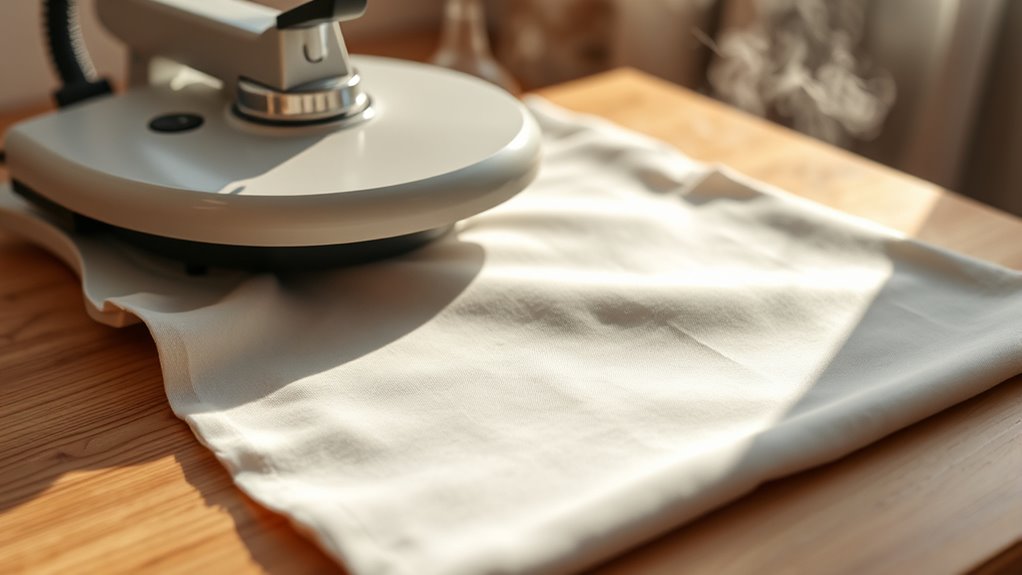
You can heat press modal fabric safely by using controlled temperatures between 270°F and 300°F with moderate pressure around 30-40 psi. Heat pressing modal fabric requires careful attention to avoid damaging its delicate fibers.
Proper temperature and pressure settings are essential for achieving vibrant, lasting results without shrinkage. Avoid excessive heat or long pressing times to prevent shrinkage or damage to the fabric.
Always use a protective sheet, like Teflon or parchment paper, to shield the material during the heat press process. Testing a small fabric swatch first is crucial to guarantee good adhesion and crisp designs.
Keep these pointers in mind to perfect your heat pressing technique on modal fabric. With a few more tips, you can ensure high-quality, durable results. This approach will help you get the most out of your heat press projects on modal fabric.
Key Takeaways
- Modal fabric can be heat pressed safely with proper temperature, pressure, and time controls.
- Optimal heat press temperature for modal is between 270°F and 300°F to avoid damage.
- Use moderate pressure (30-40 psi) and press for 10-15 seconds to protect fabric fibers.
- Always test on a small fabric swatch before full heat pressing to ensure quality results.
- Use a protective sheet like Teflon or parchment paper to prevent direct heat contact.
What Is Modal Fabric and Why It Matters for Heat Pressing
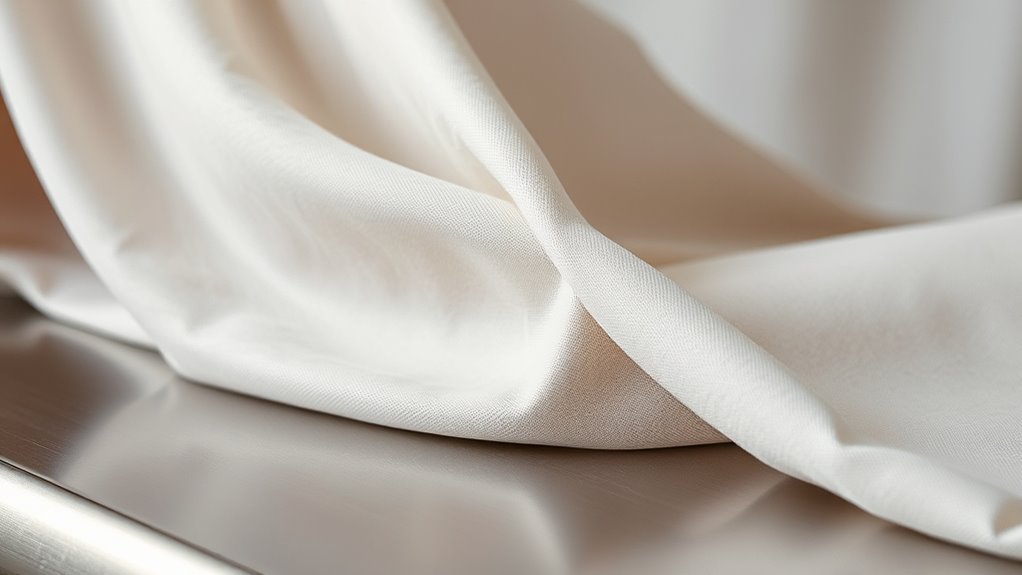
Although you might already be familiar with common fabrics, modal fabric offers unique qualities that make it especially important for heat pressing. Modal is a semi-synthetic fabric made from beech tree pulp, known for its softness, breathability, and flexibility. When you heat press modal, you need to understand its moisture retention and smooth surface, which affect how heat and pressure interact with the material.
Unlike some fabrics, modal resists shrinking and fading, but its delicate fibers require careful temperature control to avoid damage. Recognizing these characteristics helps you achieve vibrant, long-lasting designs without compromising the fabric’s integrity. So, knowing what modal is and why its properties matter guarantees you handle it correctly during heat pressing and get the best results every time.
Is Heat Pressing Modal Fabric Safe?
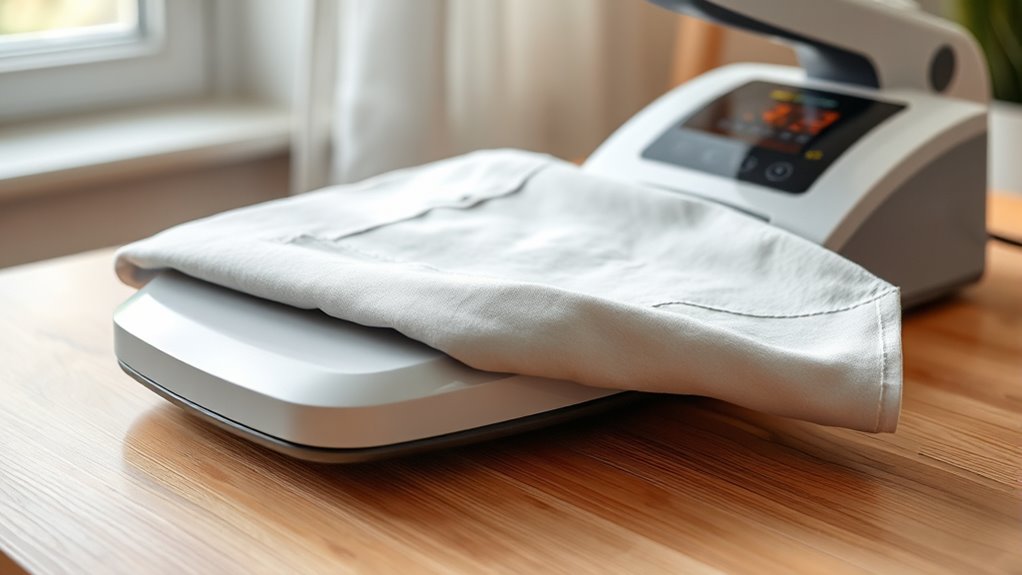
Understanding how modal fabric behaves under heat is key to knowing if heat pressing is safe for it. Modal is a semi-synthetic fabric made from beech tree pulp, and it handles heat better than many natural fibers. However, you need to be cautious because excessive heat or prolonged pressing can damage its smooth, soft texture or cause shrinkage.
You can safely heat press modal fabric if you use appropriate settings and avoid high temperatures. Always test on a small, inconspicuous area first to ensure the fabric won’t warp or discolor. Using a protective sheet between the heat press and modal fabric also helps prevent direct contact, reducing the risk of damage.
With the right care, you can confidently heat press modal for your projects.
Optimal Heat Press Temperature for Modal Fabric
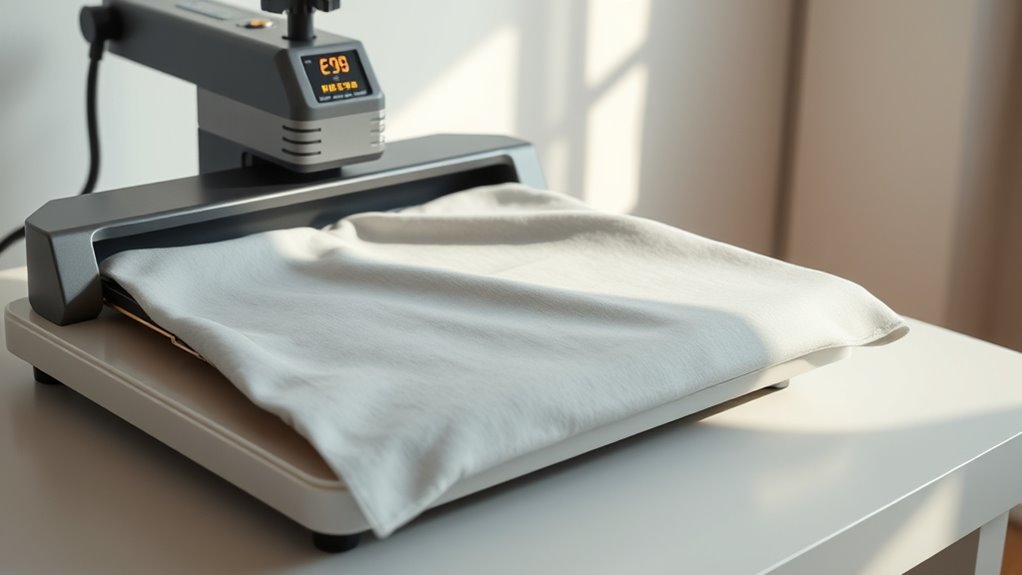
When you heat press modal fabric, setting the right temperature is essential to avoid damaging its delicate fibers. You’ll want to keep the heat between 270°F and 300°F (about 130°C to 150°C). This range is hot enough to transfer designs effectively without causing scorching or weakening the fabric.
Going above 300°F risks shrinking or distorting the material, while lower temperatures might result in poor adhesion. Always pre-test on a scrap piece if you can. Remember, modal is sensitive to high heat due to its semi-synthetic nature, so gradual temperature increases will help you find the sweet spot.
Using a heat press with precise temperature control guarantees consistent results and protects your modal fabric from unnecessary wear.
Recommended Pressure for Heat Pressing Modal Fabric
Since modal fabric is soft and delicate, you’ll want to apply moderate pressure during heat pressing to avoid crushing the fibers. Too much pressure can flatten the texture, while too little may result in poor adhesion.
To get it right, follow these guidelines:
- Set your heat press to medium pressure, typically around 30-40 psi.
- Use a pressure gauge if available to ensure consistency.
- Test on a small fabric swatch before full application to adjust as needed.
- Avoid excessive pressure, especially on seams or textured areas, to maintain fabric integrity.
Ideal Heat Press Time for Modal Fabric
Applying the right pressure sets the stage for achieving ideal heat press results with modal fabric, but timing also plays a key role. You’ll want to keep your heat press time between 10 and 15 seconds to avoid damaging the fabric or causing unwanted shrinkage. Too little time won’t properly bond the transfer, while too much heat exposure can weaken modal’s delicate fibers.
Start with 12 seconds as a baseline and adjust slightly based on your specific heat press machine and transfer type. Remember, modal is sensitive, so shorter presses with moderate heat usually work best. Always test on a small fabric scrap first to find the sweet spot.
This careful timing helps you get crisp, lasting designs without compromising the fabric’s softness or integrity.
Best Transfer Materials for Heat Pressing Modal Fabric
Which transfer materials work best for heat pressing modal fabric? To guarantee vibrant, lasting designs, you’ll want to select materials compatible with modal’s smooth, delicate texture.
Here are the top choices:
- Heat Transfer Vinyl (HTV): Offers durability and flexibility, ideal for modal’s soft feel.
- Sublimation Transfers: Perfect for polyester-blended modal, giving rich, permanent colors.
- Plastisol Transfers: Provide a soft hand and excellent wash resistance on modal.
- Water-Based Transfers: Eco-friendly and gentle, they work well without compromising fabric softness.
Use these materials with appropriate heat settings to get crisp, vibrant results without damaging your modal fabric. Choosing the right transfer material helps your design stand out and ensures longevity in wear.
Common Heat Pressing Mistakes With Modal Fabric
Choosing the right transfer materials sets you up for success, but even the best supplies can underperform if common heat pressing mistakes happen. One big error is using too much heat. Modal fabric is sensitive, so excessive temperature can cause shrinkage or damage.
Don’t rush either—pressing too briefly prevents proper adhesion, leaving your design patchy. Another frequent mistake is neglecting to adjust pressure. Too much pressure can crush fibers, while too little won’t ensure good bonding.
Also, skipping a test press on a scrap piece wastes time and materials. Finally, avoid multiple pressing attempts in the same area; repeated heat exposure weakens the fabric. By avoiding these pitfalls, you’ll keep your modal projects looking crisp and professional every time.
Protecting Modal Fabric During Heat Pressing
Because modal fabric is delicate, protecting it during heat pressing requires careful attention to temperature, pressure, and timing. You want to avoid scorching or distorting the fabric by controlling these factors precisely.
Here’s how you can protect your modal fabric effectively:
- Set your heat press to a low temperature, ideally between 270°F and 300°F, to prevent damage.
- Use light to medium pressure to avoid crushing the soft fibers.
- Limit the pressing time to 10-15 seconds to reduce heat exposure.
- Place a Teflon sheet or parchment paper between the fabric and the heat press to shield the surface.
Maintaining Modal Fabric After Heat Pressing
After heat pressing your modal fabric, you’ll want to handle it with care to maintain its softness and shape. Avoid washing it immediately; let it cool and set for at least 24 hours. When you do wash, use cold water and a gentle cycle to prevent shrinking or distortion.
Skip harsh detergents and bleach, as they can break down the fibers. Dry your modal fabric flat or hang it to air dry instead of using high heat in the dryer. If ironing is necessary, use a low temperature and place a pressing cloth between the iron and fabric.
Frequently Asked Questions
Can Modal Fabric Be Combined With Other Fabrics for Heat Pressing?
Yes, you can combine modal with other fabrics for heat pressing. Just make sure you adjust the temperature and pressure settings to suit the most sensitive fabric in the blend. This helps avoid damage or distortion during the process.
Does Heat Pressing Affect the Colorfastness of Modal Fabric?
Oh sure, heat pressing modal fabric won’t turn your vibrant colors into a sad ghost—unless you’re secretly auditioning for a tie-dye disaster.
Just keep temps low and times short, and your colors’ll stay bold and happy.
Are There Specific Brands of Heat Press Machines Recommended for Modal?
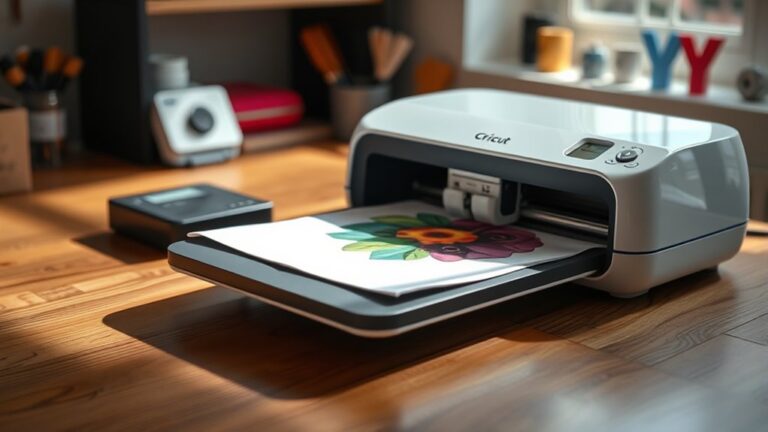
You’ll want brands like Cricut, Fancierstudio, or PowerPress for modal. They offer precise temperature control, which you need to avoid damaging the fabric.
Always test settings to keep your modal looking great after pressing.
How Does Humidity Affect Heat Pressing Results on Modal Fabric?
Humidity can make heat pressing modal tricky because moisture affects heat transfer and adhesion. You’ll want to keep the fabric dry and control your environment to avoid inconsistent results or damage during pressing.
Can Heat Pressing Modal Fabric Cause Shrinkage Over Time?
Yes, heat pressing modal fabric can cause shrinkage over time if you use excessive heat or pressure. You should use moderate settings and test a small area first to avoid damaging or shrinking your fabric.
Always follow the manufacturer’s guidelines for temperature and pressure. This helps maintain the fabric’s integrity. Proper care ensures your modal fabric stays in good condition.
Conclusion
When you heat press modal fabric, think of it like a gentle dance—too much heat or pressure, and you risk a misstep; just enough, and you create a perfect impression.
By carefully balancing temperature, time, and pressure, you’ll protect the soft, silky nature of modal while making your design pop.
So, treat your fabric like a delicate partner, and your heat press will deliver a flawless performance every time.
In conclusion, heating pressing modal fabric requires precision and care to maintain its quality. Proper heat press settings ensure your design adheres well without damaging the fabric. This balance is key when you heat press modal fabric.