Can You Heat Press Fleece
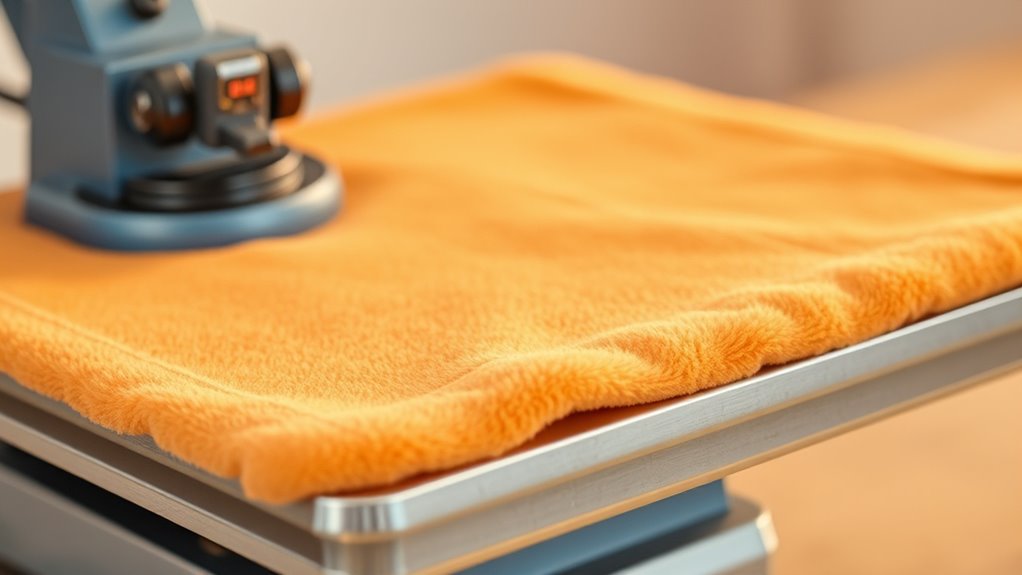
Yes, you can heat press fleece safely and effectively by following some important guidelines. Heat pressing fleece requires moderate temperatures between 270°F and 300°F to avoid damaging the fabric.
Using firm, even pressure for 10-15 seconds ensures the design adheres properly without causing distortion.
Make sure to protect the fabric with a Teflon sheet to prevent scorching during the heat pressing process. It’s also a good idea to test your settings on a scrap piece of fleece first.
Prepping your fleece by removing lint and moisture helps avoid peeling and ensures a smooth finish.
With the right care and precautions, you’ll achieve crisp, lasting designs on your fleece projects. Keep exploring to master the best methods and avoid common mistakes for perfect results every time.
Key Takeaways
- Yes, you can heat press fleece using moderate temperature (270°F-300°F) and firm, even pressure to avoid damage.
- Always cover fleece with a Teflon sheet or parchment paper to protect from scorching during pressing.
- Pre-press fleece to remove moisture and flatten fibers for better heat transfer adhesion.
- Use heat transfers designed for textured fabrics like HTV or sublimation for best results on fleece.
- Test settings on scrap fleece first to prevent melting, distortion, or poor transfer adhesion.
Can You Heat Press Fleece Safely?
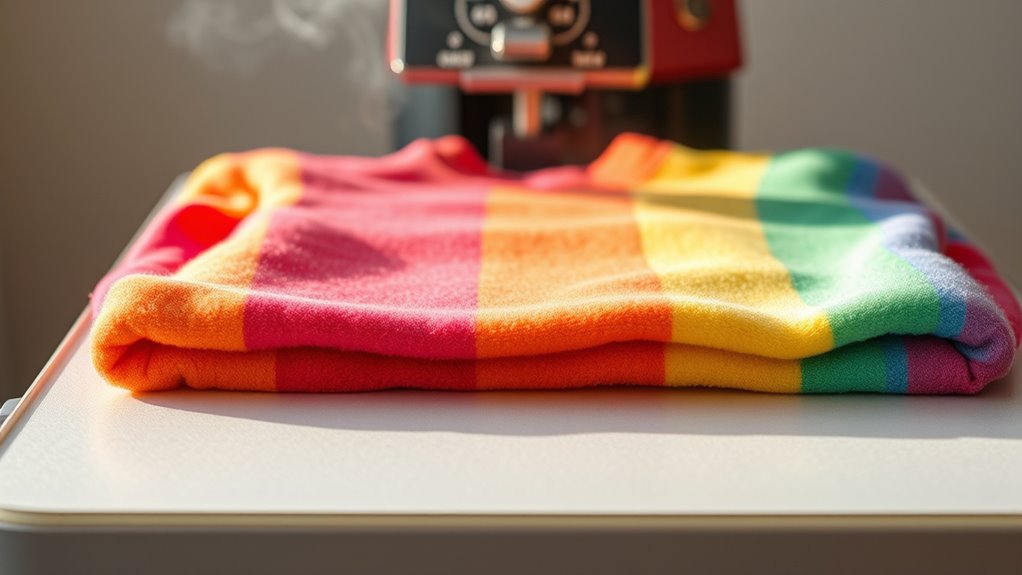
How can you heat press fleece safely without damaging the fabric? First, always use a heat press with adjustable temperature settings. Set it between 270°F and 300°F to avoid melting or scorching the fleece.
Use a Teflon sheet or parchment paper between the heat press and the fabric to protect the surface. Keep the pressing time short, usually around 10 to 15 seconds, to prevent heat buildup. Avoid applying excessive pressure; moderate pressure works best.
Make sure your fleece is clean and wrinkle-free before pressing to guarantee even heat distribution. Test on a small fabric piece if you’re unsure. Following these steps helps you achieve crisp designs without ruining your fleece, maintaining its softness and appearance.
Why Fleece Is Different From Other Fabrics
When you heat press fleece, you need to take into account its unique properties compared to other fabrics. Fleece is made from synthetic fibers like polyester, which gives it a soft, fluffy texture and excellent insulation. Unlike cotton or nylon, fleece has a piled surface that traps air, making it thicker and more heat-sensitive.
This means it can melt or distort if exposed to too much heat or pressure. Additionally, fleece’s stretch and flexibility require careful handling to avoid puckering or pulling during pressing. You’ll also notice that fleece absorbs heat differently, so you can’t apply the same temperature or time settings as you would with smoother fabrics.
Understanding these differences helps you adjust your technique and protect the fabric while achieving the best results.
Best Heat Transfers for Fleece Heat Pressing
When choosing heat transfers for fleece, you’ll want to focus on options that offer strong adhesion without damaging the fabric. Vinyl and specialty transfers designed for textured materials work best.
Keep in mind proper temperature and pressure settings to guarantee your design sticks well and lasts.
Types Of Heat Transfers
Although fleece can be tricky to heat press, choosing the right type of heat transfer makes all the difference. You want transfers that bond well without damaging the soft fabric. Here are four common types to consider:
- Heat Transfer Vinyl (HTV) – Offers great durability and vibrant colors, perfect for fleece’s texture.
- Sublimation Transfers – Works best on polyester fleece, providing a smooth, long-lasting design.
- Plastisol Transfers – Gives a soft hand feel and strong adhesion but requires careful temperature control.
- Screen Printed Transfers – Ideal for bulk projects, these provide excellent coverage and flexibility.
Transfer Adhesion Tips
Since fleece has a soft and textured surface, you’ll need to apply transfers carefully to guarantee strong adhesion without damaging the fabric. Choose heat transfers designed for textured materials, like flock or specialty vinyl, which grip better than standard ones. Always pre-press your fleece to remove moisture and flatten fibers before applying the transfer.
Use a Teflon sheet or parchment paper between the transfer and the heat press to protect both the fabric and the design. Apply firm, even pressure and avoid overheating to prevent scorching or melting the fleece fibers. After pressing, let the transfer cool completely before peeling the carrier sheet to ensure it sticks properly.
These steps help you achieve durable, vibrant designs on your cozy fleece projects.
Preparing Fleece Fabric for Heat Pressing
Before you start heat pressing, make sure you choose the right fleece fabric that can handle the heat without damage. Always pre-wash and dry your fleece to remove any finishes that might interfere with the transfer.
Don’t forget to remove lint and debris to guarantee a smooth, clean surface for the best results.
Choosing The Right Fleece
When selecting fleece for heat pressing, you’ll want to focus on the fabric’s composition and weight to make certain of the best results. Not all fleece behaves the same under heat, so picking the right type is essential. Here’s what to think about:
- Material Blend: Opt for polyester or polyester-cotton blends that handle heat well without melting or scorching.
- Fabric Weight: Choose medium-weight fleece (around 8-12 oz) for stability and easier heat transfer.
- Surface Texture: Look for smooth, flat surfaces rather than heavily brushed or fluffy fleece to guarantee better adhesion.
- Color Fastness: Select fleece with good dye stability to avoid color changes when heat pressing.
Following these guidelines will help you avoid damage and achieve professional-looking results with your heat-pressed fleece projects.
Pre-Washing And Drying
Choosing the right fleece sets the foundation for successful heat pressing, but preparing the fabric properly makes a big difference too. Before you start, always pre-wash your fleece to remove any chemicals, oils, or sizing that could interfere with heat transfer. Use cold water and a gentle cycle to prevent shrinking or damaging the fibers.
Avoid fabric softeners, as they leave residues that reduce adhesion. After washing, dry your fleece thoroughly, preferably on a low heat setting or air dry. Make sure the fabric is completely dry before heat pressing to avoid moisture-related issues like bubbling or uneven pressing.
Taking these simple steps guarantees your fleece is clean, smooth, and ready for a crisp, long-lasting heat press design.
Removing Lint And Debris
A clean surface is essential for achieving a flawless heat press on fleece. Before you start, remove any lint and debris that could interfere with your design’s adhesion. Follow these steps to prepare your fleece fabric:
- Use a lint roller to pick up loose fibers and dust from the fabric surface.
- Gently brush the fleece with a soft garment brush to dislodge embedded particles.
- Inspect the fabric under bright light to spot any missed debris or stray threads.
- If necessary, use a small piece of tape to lift stubborn lint without damaging the fleece.
Ideal Temperature and Pressure Settings for Fleece
Although fleece is a delicate fabric, you can achieve great results by using the right temperature and pressure settings on your heat press. Set your heat press to around 300°F (149°C) to avoid scorching or melting the fibers. Keep the pressing time between 10 to 15 seconds to guarantee proper adhesion without damaging the fabric.
Use medium pressure—enough to create a good bond but not so much that you flatten the fleece’s texture. Too much pressure can compress the fabric and ruin its softness, while too little won’t secure the design properly. Always test on a scrap piece first to fine-tune these settings based on your specific fleece type and heat press model for the best outcome.
Using Teflon Sheets When Heat Pressing Fleece
Why should you use a Teflon sheet when heat pressing fleece? A Teflon sheet acts as a protective barrier between the heat press and your fabric. It prevents direct contact, which reduces the risk of scorching or melting the fleece fibers.
Using a Teflon sheet also helps distribute heat evenly, ensuring consistent results. Here’s why it’s essential:
- Protects fleece from heat damage and scorching.
- Prevents vinyl or transfer materials from sticking to the press.
- Promotes even heat distribution across the fabric.
- Extends the life of your heat press by reducing residue buildup.
Always place a Teflon sheet over your fleece before pressing to achieve professional, damage-free results.
Applying Vinyl on Fleece Successfully
When you apply vinyl on fleece, you’ll need to adjust your technique to handle the fabric’s texture and thickness. Start by preheating the fleece for a few seconds to remove moisture and wrinkles. Position your vinyl carefully, ensuring it lays flat without stretching the fabric.
Use a heat press set to a slightly lower temperature than usual—typically around 300°F—to protect the fleece fibers. Apply firm, even pressure for about 10-15 seconds, then peel the vinyl carrier sheet slowly while it’s still warm to avoid lifting or cracking. If needed, cover the vinyl with a Teflon sheet to prevent scorching.
Common Heat Pressing Mistakes to Avoid
When heat pressing fleece, you need to get the temperature just right to avoid damaging the fabric. Applying enough pressure is vital, so don’t skimp on it.
Also, always prepare your fleece properly before you start to guarantee the best results.
Incorrect Temperature Settings
How do you know if your heat press temperature is set just right for fleece? Setting it too high can scorch or melt the fabric, while too low won’t properly transfer your design. To avoid this common mistake, follow these tips:
- Research the recommended temperature for your specific fleece type before starting.
- Use a reliable heat press machine with accurate temperature controls.
- Test on a scrap piece of fleece to see how it reacts to your chosen temperature.
- Adjust the temperature in small increments if your first attempt doesn’t produce a clean transfer.
Insufficient Pressure Applied
Temperature plays a big role in getting a clean transfer on fleece, but don’t forget that pressure matters just as much. If you don’t apply enough pressure during heat pressing, the transfer won’t fully adhere to the fabric, leading to patchy or peeling designs. Fleece’s thick, soft texture requires firm, even pressure to guarantee the heat and adhesive bond properly.
Don’t assume light pressure will work; you need to adjust your press to exert enough force without crushing the material. Check your heat press manual for recommended pressure settings, and test on a scrap piece to avoid ruining your project. Remember, insufficient pressure can ruin your hard work, so always aim for a balance between heat, time, and firm pressure for the best results.
Ignoring Fabric Preparation
Although it might seem like a simple step, skipping fabric preparation can cause your heat press design to fail on fleece. You need to prep the fabric properly to guarantee your design sticks well and lasts long.
Here’s what you should do:
- Pre-wash the fleece to remove any chemicals or finishes that might block adhesion.
- Dry the fabric completely to avoid steam buildup during pressing.
- Use a lint roller to clear away any fuzz or debris that can interfere with the transfer.
- Preheat the fabric with your heat press for a few seconds to flatten it and remove moisture.
Ignoring these steps can lead to bubbling, peeling, or poor transfer quality on your fleece projects. Don’t skip fabric prep!
Testing Heat Press Settings Safely on Fleece
Before you start pressing your fleece project, you’ll want to test your heat press settings carefully to avoid damaging the fabric. Begin by selecting a small scrap of the same fleece material to experiment on. Set your heat press to a lower temperature than recommended initially—usually around 300°F (150°C)—and press for 10 to 15 seconds.
Check for any signs of scorching, melting, or fabric distortion. If the test looks good, gradually increase temperature or time in small increments until you find the sweet spot that adheres your design without harming the fabric. Always use a Teflon or parchment sheet between the press and fleece to protect the surface.
This cautious approach helps verify your final project looks professional and stays intact.
Caring for Heat-Pressed Fleece Garments
Once you’ve heat-pressed your fleece garment, proper care is essential to maintain the design’s longevity and keep the fabric soft. Follow these steps to guarantee your garment looks great for a long time:
- Wash inside out in cold water on a gentle cycle to protect both the fleece and the design. Avoid bleach or harsh detergents that can break down the heat-pressed vinyl or ink. Air dry or tumble dry on low heat to prevent shrinking and damage to the press.
- Iron only on the reverse side with a protective cloth if needed, never directly on the design.
Alternatives to Heat Pressing Fleece
Taking good care of heat-pressed fleece helps keep your design looking fresh, but you might want to explore other methods if heat pressing isn’t suitable for your project. One great alternative is screen printing, which allows for vibrant, long-lasting designs without heat. You can also try embroidery, adding texture and durability while avoiding heat damage.
If you still want a heat transfer look, consider using adhesive vinyl with a low-temperature iron, but test a small area first to prevent fabric damage. Another option is fabric paint or markers for a hands-on, creative approach that doesn’t require heat at all. Each of these methods can preserve your fleece’s softness and appearance, giving you flexibility depending on your project’s needs and the materials you’re working with.
Frequently Asked Questions
Can You Wash Heat-Pressed Fleece in Cold Water?
Yes, you can wash heat-pressed fleece in cold water. Just turn it inside out, use a gentle cycle, and avoid harsh detergents to keep the design intact.
This will help your fleece stay soft and cozy for longer.
How Long Does a Heat-Pressed Design on Fleece Last?
You can expect your heat-pressed design on fleece to last for years if you take care. Avoid high heat when washing, turn it inside out, and skip the dryer’s intense cycles to keep it vibrant longer.
Proper care is key to maintaining the design’s quality. Using gentle detergents also helps preserve the print.
Air drying is recommended whenever possible. This reduces wear and tear on the design. Following these tips will extend the life of your heat-pressed fleece.
Is Heat Pressing Fleece Suitable for All Fleece Colors?
You can heat press most fleece colors, but darker shades might show the design less vividly. Always test a small area first, and adjust temperature or pressure to avoid damaging the fabric or fading the colors.
Can You Use a Home Iron Instead of a Heat Press on Fleece?
You can use a home iron on fleece, but it’s trickier than a heat press. You’ll need to apply steady pressure and avoid overheating to prevent damage.
Use a protective sheet and work carefully for best results.
Does Heat Pressing Affect Fleece Stretchiness or Softness?
Yes, heat pressing can slightly reduce fleece’s stretchiness and softness if the temperature or time is too high. You should use lower settings and test a small area to keep your fleece comfy and flexible.
This helps ensure the fabric maintains its original feel and elasticity. Being cautious with heat will preserve the quality of your fleece over time.
Always monitor the process closely to avoid damage. Adjust settings based on the specific type of fleece you are working with.
Conclusion
You might think heat pressing fleece is impossible without ruining it, but you’re way more capable than that! With the right method, you can transform your fleece into a custom masterpiece without a single scorch mark. Just follow the steps, test your settings, and watch your fleece go from plain to phenomenal.
Heat pressing fleece requires patience and the correct temperature and pressure settings. Always use a protective sheet between the heat press and the fleece to avoid direct contact. This helps prevent any damage to the fabric while ensuring your design adheres properly.
You’ll be so confident, you’ll wonder why you ever doubted heat pressing fleece in the first place! By mastering these techniques, you can easily customize your fleece projects. Heat pressing fleece is not only possible but also a fantastic way to personalize your garments with vibrant, lasting designs.