Can You Heat Press on Velour
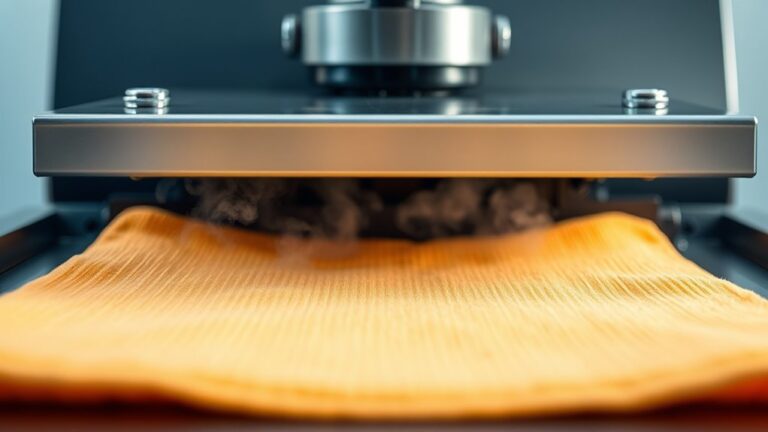
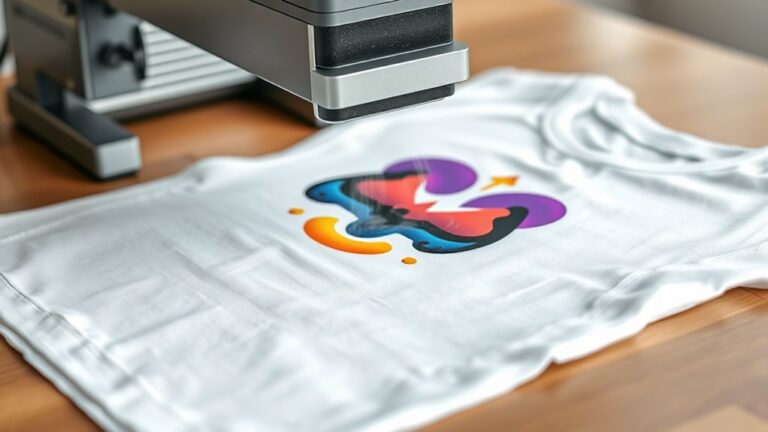
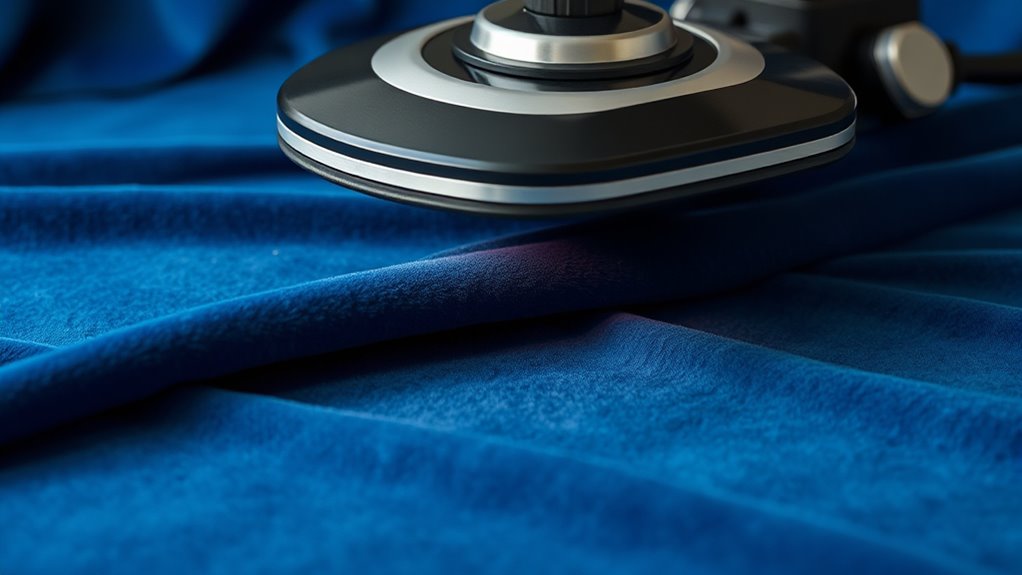
You can heat press on velour, but it requires special care to maintain its luxurious texture and appearance. Velour is a soft, plush fabric that can be sensitive to heat and pressure, so it’s important to follow specific guidelines for the best results.
Using the right heat press settings is essential to protect the fabric while achieving a successful transfer. Use a lower temperature around 300°F, keep pressing time short, and always place a protective sheet between the heat press and the velour fabric.
Avoid applying high pressure to prevent crushing the plush pile and altering the fabric’s soft feel. Choose flexible transfer materials such as stretch vinyl or flock, which work well with velour’s texture.
If you want to ensure your velour stays vibrant and plush, there’s more to learn about perfecting the heat pressing process.
Key Takeaways
- Velour can be heat pressed but requires lower temperatures and shorter pressing times to prevent damage and maintain its plush texture.
- Use a protective sheet like parchment paper between the heat press and velour to avoid scorching and pile flattening.
- Optimal heat press settings for velour are around 300°F (150°C), medium pressure, and 10–12 seconds pressing time.
- Flexible, soft heat transfer materials like stretch vinyl or flock vinyl work best on velour’s textured surface.
- Always test heat pressing on a small, hidden fabric area first to ensure fabric safety and transfer quality.
What Is Velour and How It Reacts to Heat
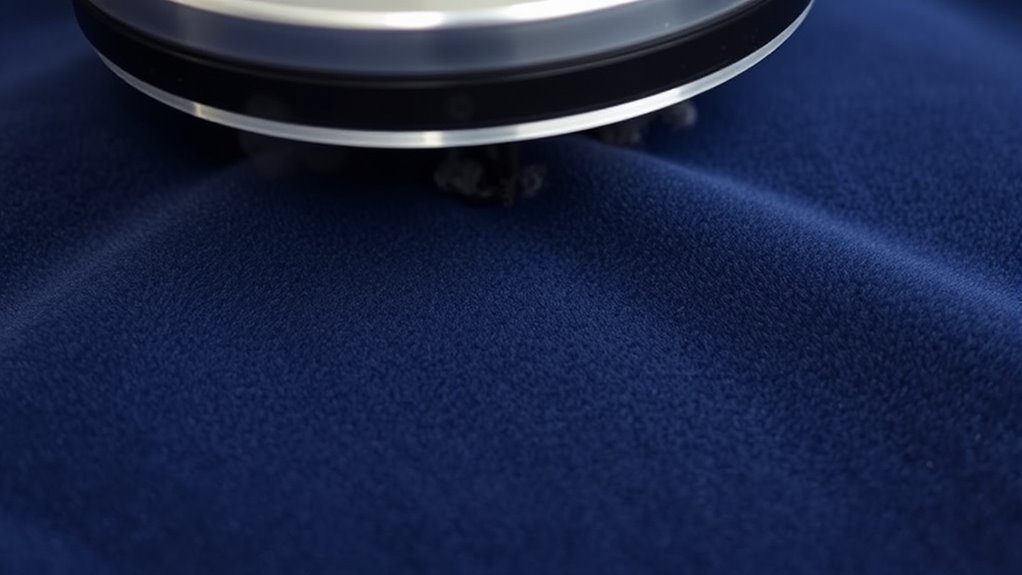
Although velour looks similar to velvet, it’s actually a knit fabric made from cotton or synthetic fibers, giving it stretch and softness. When you work with velour, you’ll notice its plush texture and flexibility, which set it apart from woven fabrics. However, because it’s knit-based, velour reacts differently to heat compared to other materials.
If you apply too much heat, you risk damaging the fibers or flattening its pile, ruining its soft appearance. You should always consider the fabric’s composition since synthetic blends might melt or warp under high temperatures. Understanding how velour responds to heat helps you decide the right approach when pressing it, so you protect its texture and maintain the fabric’s integrity throughout your project.
Is Heat Pressing Velour Safe?
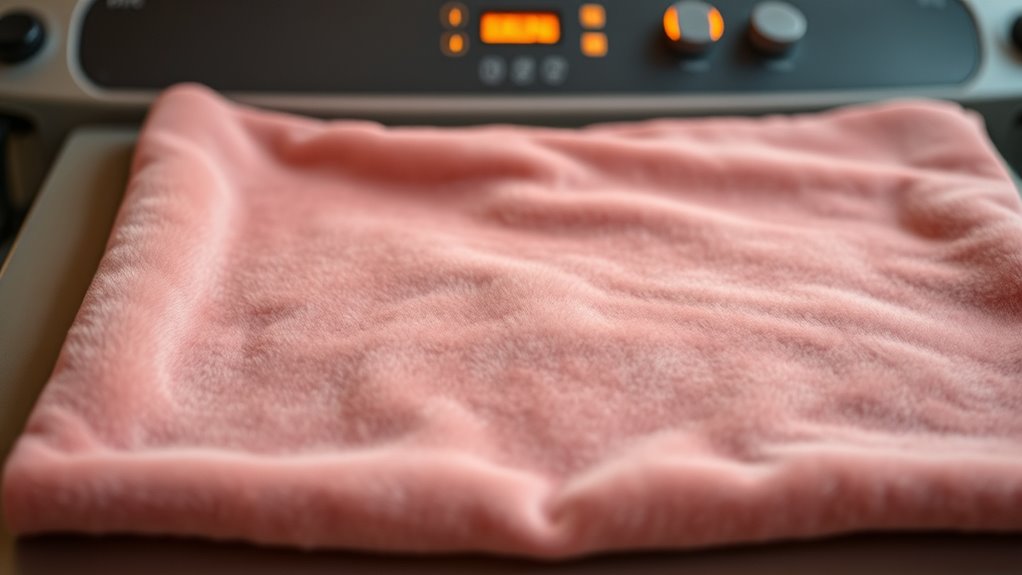
How safe is it to heat press velour without ruining its texture? You need to be cautious because velour’s plush surface can easily get damaged by too much heat or pressure. To keep your velour looking great, follow these safety tips:
- Use a lower temperature setting than usual to avoid scorching the fabric.
- Limit the pressing time to just a few seconds to prevent flattening the pile.
- Always place a protective sheet, like parchment paper, between the heat press and velour.
- Test on a small, hidden area first to see how the fabric reacts.
How to Prepare Velour for Heat Pressing
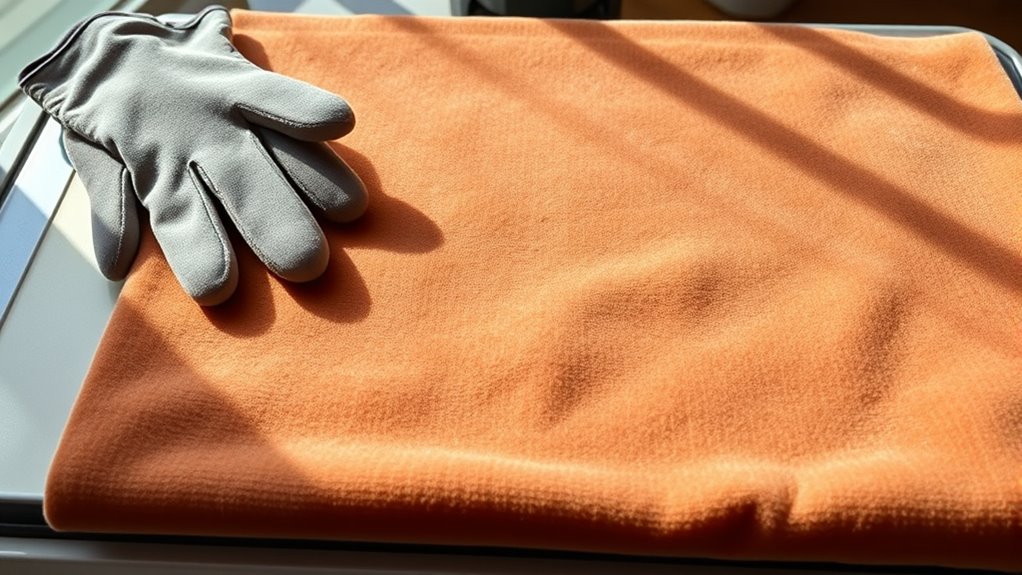
Before you start heat pressing velour, you should properly prepare the fabric to protect its soft texture and guarantee a smooth transfer. First, wash and dry the velour to remove any sizing, dirt, or oils that could affect adhesion. Use a gentle cycle and avoid fabric softeners, which may leave residues.
Once dry, lightly iron the fabric on a low setting to flatten any wrinkles, but place a thin cloth or parchment paper between the iron and velour to avoid crushing the pile. Next, pre-press the velour with your heat press for a few seconds without applying the design. This step removes moisture and assures the fabric lies flat.
Taking these steps helps you get the best results without damaging the delicate velour surface.
Best Heat Press Settings for Velour
When you heat press velour, selecting the right temperature, pressure, and time is essential to protect its plush texture while ensuring a strong transfer. Use these settings to get the best results:
- Set your heat press to 300°F (150°C). This temperature is hot enough for adhesion but gentle on velour fibers.
- Apply medium pressure. Too much pressure can crush the pile, while too little won’t secure the design.
- Press for 10–12 seconds. This duration balances proper bonding and fabric safety.
- Use a Teflon sheet or parchment paper between the press and velour to prevent scorching or flattening the texture.
Which Heat Transfer Materials Work Best on Velour
You’ll want to choose heat transfer materials that work well with velour’s soft texture without damaging it. Focus on options known for durability and flexibility to maintain the fabric’s feel.
Let’s explore which types fit these requirements best.
Compatible Heat Transfer Types
Although velour’s plush texture can make heat pressing a bit tricky, certain heat transfer materials work exceptionally well on it. When choosing your heat transfer type, consider these options to achieve the best results:
- Standard Heat Transfer Vinyl (HTV): Look for softer, stretch-friendly vinyls designed for plush fabrics.
- Flock Vinyl: Its fuzzy texture complements velour, blending nicely without overpowering.
- Printable Heat Transfer Paper: Ideal for detailed designs, but make sure you use a low-temp setting to protect the fabric.
- Sublimation Transfers: If your velour contains polyester, sublimation can offer vibrant, lasting designs without adding bulk.
Material Durability and Texture
Choosing the right heat transfer material affects not only the look but also the durability and feel of your design on velour. Since velour has a plush, textured surface, you’ll want to use flexible, soft materials like PU (polyurethane) or stretch heat transfer vinyl. These materials conform well to velour’s nap without cracking or peeling over time.
Avoid thick or rigid transfers, as they’ll stand out awkwardly and may damage the fabric’s texture. Also, consider flocked vinyl for a raised, velvety effect that complements velour’s softness. Remember, durability depends on proper application and care—use recommended heat press settings and gentle washing.
How to Protect Velour’s Soft Texture During Heat Pressing
Protecting velour’s soft texture during heat pressing requires careful attention to temperature and pressure settings. To keep your velour looking plush and vibrant, follow these steps:
- Set your heat press to a lower temperature, around 270°F (132°C), to avoid scorching the fabric.
- Use medium to light pressure to prevent crushing the pile and maintain softness.
- Place a Teflon sheet or parchment paper between the heat press and the velour to shield the fabric from direct heat.
- Limit pressing time to 10-15 seconds to reduce the risk of damaging the texture.
Fixing Common Heat Press Problems on Velour
If you want to avoid damaging your velour while heat pressing, you need to watch your temperature settings carefully. Too much heat can ruin the fabric’s texture, so adjusting the temperature to the right level is key.
Let’s look at how you can fix common problems and keep your velour looking great.
Preventing Fabric Damage
Because velour is a delicate fabric with a plush texture, you need to take extra care when heat pressing to prevent damage. To keep your velour looking its best, follow these steps:
- Use a protective sheet, like a Teflon or parchment paper, between the heat press and the fabric to prevent direct contact.
- Avoid applying too much pressure, which can crush the velour’s pile and leave permanent marks.
- Check the fabric frequently during pressing to catch any signs of scorching or discoloration early.
- Always pre-test on a scrap piece of velour to ensure the heat press settings won’t harm your fabric.
Adjusting Temperature Settings
When heat pressing velour, dialing in the right temperature is essential to avoid scorching or crushing the fabric’s soft pile. Start by setting your heat press between 270°F and 300°F. If your first press leaves marks or flattens the fabric, lower the temperature by 5-10 degrees and test again.
Too much heat can damage velour’s texture, while too little won’t properly adhere your design. Always use a heat-resistant cover sheet to protect the fabric and avoid direct contact with the platen. Remember, pressure and time also affect results, so balance these alongside temperature.
Adjust settings incrementally, testing on a scrap piece before the final press. This careful calibration helps guarantee crisp designs without compromising velour’s plush feel.
Tips to Keep Velour Soft and Plush After Heat Pressing
Although heat pressing can sometimes flatten velour’s natural texture, you can take simple steps to keep it soft and plush. Follow these tips to maintain velour’s luxurious feel after heat pressing:
- Use a pressing cloth: Place a thin cloth between the heat press and velour to protect the fibers from direct heat and pressure.
- Avoid excessive pressure: Apply gentle pressure to prevent crushing the pile.
- Brush the fabric: After pressing, lightly brush the velour with a soft-bristled brush to revive its nap.
- Cool before handling: Let the fabric cool completely before touching it to help fibers set in their natural position.
Frequently Asked Questions
Can Velour Be Heat Pressed at Home Without Professional Equipment?
You can heat press velour at home using a household iron, but be cautious. Use a protective sheet, low heat, and short press times to avoid damaging the fabric.
Test a small area first to guarantee safety.
Does Heat Pressing Velour Affect Its Color Vibrancy?
Coincidentally, when you heat press velour, you’ll notice its color vibrancy can slightly dull if you’re not careful.
But if you control temperature and time, you’ll keep those rich hues vivid and bright.
How Long Does a Heat Press Design on Velour Typically Last?
Your heat press design on velour typically lasts several washes if you follow care instructions, like washing inside out and using gentle cycles.
Over time, some fading or cracking may occur, but proper care extends its life considerably.
Can You Wash Heat-Pressed Velour Immediately After Pressing?
You want durability, you want vibrancy, you want softness—don’t wash heat-pressed velour immediately.
Wait at least 24 hours to let the design set properly, ensuring your garment stays flawless and feels comfortable every time.
Are There Any Alternative Methods to Heat Pressing on Velour?
Yes, you can use screen printing or embroidery as alternatives to heat pressing on velour. These methods won’t damage the fabric’s texture and still allow you to customize your velour items effectively and creatively.
Conclusion
Now that you know velour loves a gentle touch, you can heat press with confidence—just like handling a delicate treasure. Remember, the right temperature, pressure, and materials keep its softness intact, letting your designs shine without stealing velour’s plush charm.
So, press carefully, protect its texture, and watch your creations come to life. With the right care and heat press techniques, even the softest fabrics can handle a little heat and still stay fabulous. Heat pressing on velour is possible when done properly, ensuring your designs look amazing without damaging the fabric’s unique feel.