Can You Heat Press Silk Robes
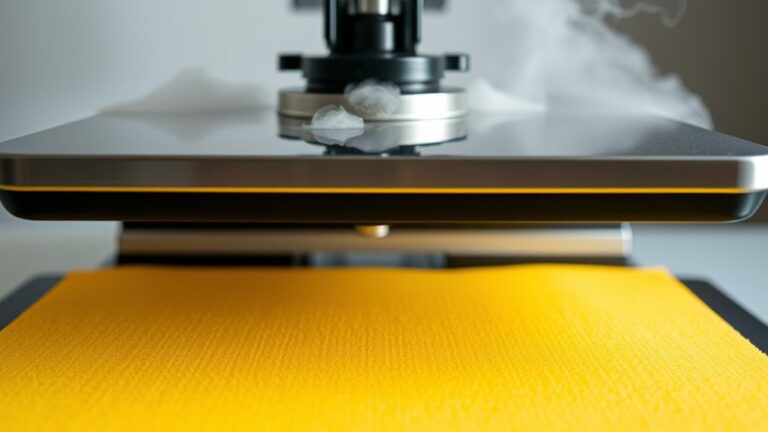
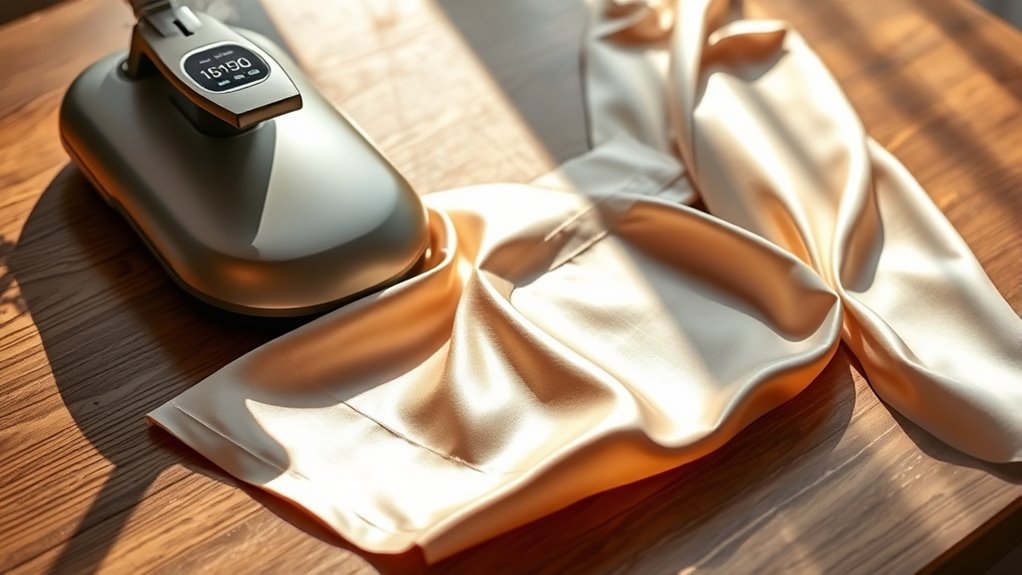
You can heat press silk robes, but it requires extra caution due to the delicate nature of the fabric. Proper temperature, pressure, and timing are essential to avoid damaging the silk.
Stick to a temperature range of 250°F to 300°F and press quickly, for no more than 10 seconds.
Always use a protective cloth to shield the silk’s sheen during heat pressing. Make sure the robe is clean, dry, and wrinkle-free before starting.
These steps help preserve the fabric’s integrity and appearance.
If you want the best results without ruining your robe, there are important tips and alternatives worth knowing. Taking these precautions ensures your silk robe stays beautiful and intact.
Key Takeaways
- Silk robes can be heat pressed but require low temperatures (250°F–300°F) and very short pressing times to avoid damage.
- Always use a protective pressing cloth like Teflon or parchment paper to prevent scorching and preserve silk’s sheen.
- Test on a small, hidden area first to check heat tolerance and prevent permanent fabric damage.
- Apply light to medium pressure and avoid multiple presses on the same spot to maintain fabric integrity.
- Consider alternatives like embroidery or fabric paints if concerned about heat pressing risks to silk robes.
Is It Safe to Heat Press Silk Robes?
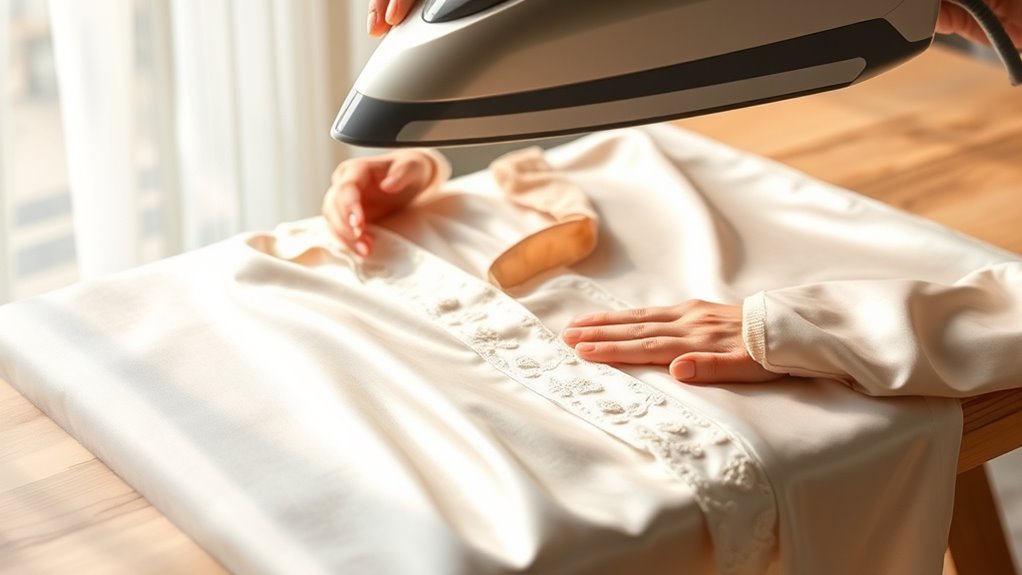
Although silk is a delicate fabric, you can safely heat press silk robes if you take proper precautions. First, set your heat press to a low temperature, ideally between 250°F and 300°F, to avoid damaging the fibers. Always use a pressing cloth between the silk and the heat press to protect the fabric’s sheen and prevent direct contact.
Limit the pressing time to just a few seconds, checking frequently to avoid scorching or discoloration. You should also test on a small, hidden area before pressing the entire robe. By carefully controlling temperature, pressure, and time, you minimize risk and keep your silk robe looking flawless.
Why Silk Robes Need Special Care When Heat Pressing
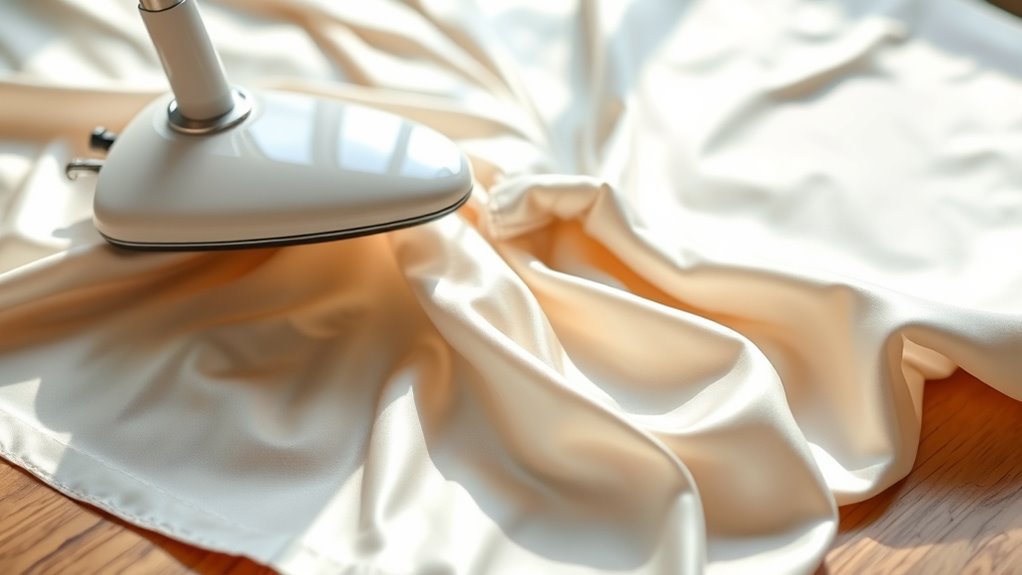
Because silk fibers are delicate and sensitive to heat, you need to handle silk robes with extra care when heat pressing. Silk can easily scorch, shrink, or lose its natural sheen if exposed to high temperatures or excessive pressure. Unlike sturdy fabrics, silk’s fine weave and protein-based fibers react quickly to heat, making it prone to damage.
You also have to be cautious about moisture, as silk absorbs water, which can affect the heat transfer process and leave marks. Additionally, silk’s smooth surface can cause heat transfer materials to slip or not adhere properly if you’re not careful. Taking these factors into account helps you preserve the fabric’s beauty and guarantee your heat pressing produces clean, professional results without ruining the silk robe.
Safe Temperature and Pressure for Heat Pressing Silk Robes
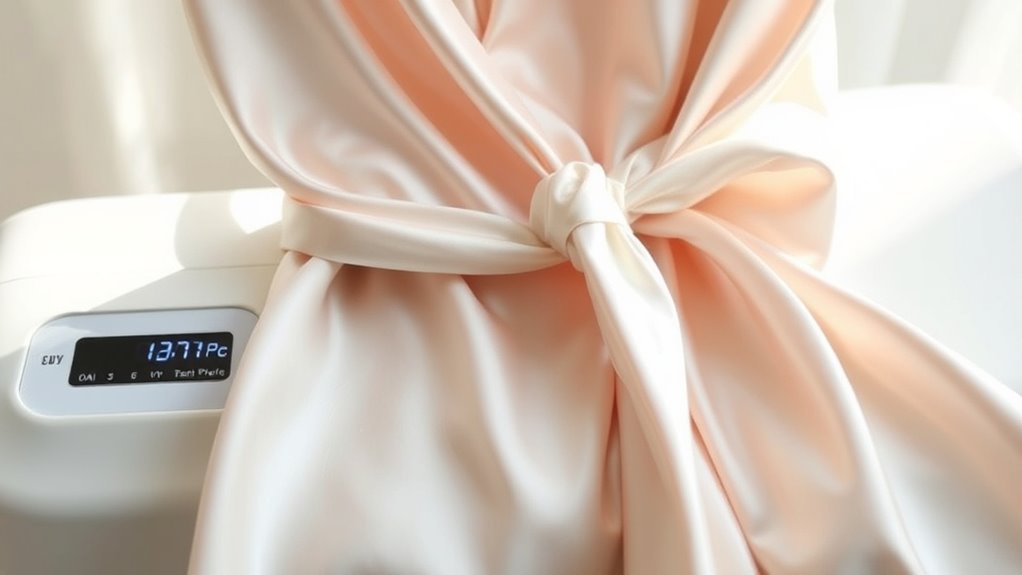
When heat pressing silk robes, you’ll want to set your machine to a lower temperature than you would for other fabrics—typically between 250°F and 300°F. Silk is delicate and sensitive to heat, so keeping the temperature controlled prevents scorching or weakening the fibers.
Alongside temperature, pressure plays a vital role. Use light to medium pressure to avoid crushing the silk’s natural texture or causing unwanted creases. Too much pressure can leave permanent marks or damage the fabric’s sheen.
It’s best to start with the lowest pressure setting and gradually increase if needed, always checking the robe’s reaction. By carefully managing these settings, you’ll protect your silk robes while achieving a clean, professional heat press result every time.
How to Prepare Silk Robes Before Heat Pressing
Before you start heat pressing your silk robes, make sure they’re clean and completely dry to avoid any damage. You’ll also want to use a protective layer, like a pressing cloth, to shield the delicate fabric.
Taking these steps helps guarantee the best results without harming the silk.
Cleaning And Drying
How should you clean and dry your silk robes to get them ready for heat pressing? First, always check the care label for specific instructions. Typically, hand washing in cold water with a gentle detergent works best to avoid damage.
Avoid harsh chemicals, bleach, or fabric softeners that can weaken the silk fibers. After washing, gently squeeze out excess water without wringing, which can cause wrinkles or distort the fabric. Lay the robe flat on a clean towel and roll it up to absorb moisture.
Then, air dry by laying it flat or hanging it away from direct sunlight and heat sources to prevent fading or shrinkage. Make sure your silk robe is completely dry and wrinkle-free before moving on to heat pressing to ensure the best results.
Using Protective Layers
Although silk is delicate, you can safeguard it effectively by using appropriate protective layers during heat pressing. Start by placing a thin cotton or muslin cloth over the silk robe to act as a barrier between the heat press and the fabric. This prevents direct contact, reducing the risk of scorching or shiny marks.
You can also use a Teflon sheet designed for heat pressing, which provides even heat distribution and extra protection. Make sure the protective layer is clean and wrinkle-free to avoid transferring unwanted patterns onto the silk. Always test on a small, hidden area first to verify the layer works well with your fabric and design.
Using these protective layers helps you safely apply heat while preserving the silk’s smooth texture and vibrant color.
How to Tell If Your Silk Robe Isn’t Ready for Heat Pressing
You’ll want to check your silk robe’s texture carefully—if it feels rough or stiff, it’s likely not ready for heat pressing. Watch for any color fading or spots that look dull, as these can signal heat sensitivity.
Pay close attention to these signs to avoid damaging your robe during the process.
Fabric Texture Changes
Before applying heat to your silk robe, pay close attention to its texture; any changes can signal that the fabric isn’t ready for heat pressing. If your silk feels rough, stiff, or brittle, these are clear signs that heat could damage it further. Silk should maintain a smooth, soft, and flexible feel.
Run your fingers over the fabric—if it feels uneven or has a crushed appearance, avoid heat pressing. Also, watch for puckering or wrinkling that doesn’t smooth out; this means the fibers are stressed. Ignoring these texture changes risks permanent damage like fabric weakening or distortion.
Color Fading Signs
A silk robe’s color can reveal much about its readiness for heat pressing. If you notice dullness or uneven fading, it’s a clear sign the fabric might not handle the heat well. Pay attention to any areas where the color looks washed out or patchy, as these spots could worsen under high temperatures.
Avoid pressing if the dye appears fragile or if the silk has lost its original vibrancy, since heat can accelerate fading. Also, look for any discoloration around seams or edges, which signals the fabric’s sensitivity. By spotting these color fading signs early, you can prevent permanent damage and maintain your robe’s beauty.
When in doubt, test a hidden area or skip heat pressing altogether to protect your silk.
Heat Sensitivity Indicators
Although silk is a delicate fabric, you can often tell if your robe isn’t ready for heat pressing by checking for specific heat sensitivity indicators. First, feel the texture: if it feels brittle or rough, it’s a sign heat could damage the fibers. Look for any shiny or scorched patches, which mean previous heat exposure weakened the fabric.
Also, test a small hidden area with low heat to see if it changes color or texture. If the silk wrinkles excessively or shrinks during this test, avoid pressing it. Pay attention to any labels or manufacturer warnings about heat.
Heat Press Techniques That Protect Silk Robes
When you heat press silk robes, you need to use gentle techniques to avoid damaging the delicate fabric. To keep your silk looking flawless, follow these key steps:
- Lower the Temperature: Set your heat press between 250°F and 300°F. Higher heat can scorch silk, so always start low and test first.
- Use a Protective Barrier: Place a Teflon sheet or parchment paper over the silk. This shields the fabric from direct heat and prevents shine or burns.
- Limit Pressing Time: Keep the press time between 5 to 10 seconds. Prolonged heat exposure can weaken silk fibers or cause discoloration.
Best Heat Transfer Materials for Silk Robes
Since silk is a delicate fabric, choosing the right heat transfer material is essential to avoid damage and achieve vibrant, lasting results. You’ll want to opt for heat transfer vinyl (HTV) designed specifically for delicate or lightweight fabrics. Look for thin, flexible vinyl that adheres well without requiring excessive heat or pressure.
Printable heat transfer paper made for silk or synthetic blends can also work, as it uses lower temperatures and gentle application methods. Avoid thick or heavy materials, which can stiffen silk and cause cracking. Additionally, selecting a transfer material with good elasticity helps maintain the robe’s softness and drape.
How to Protect Silk Robes When Heat Pressing Designs
You’ll want to set your heat press to a low temperature to avoid damaging the delicate silk fibers. Always place a protective pressing sheet between the design and the robe to prevent direct heat contact.
Plus, avoid keeping the heat on for too long to maintain the fabric’s integrity.
Choose Low Heat Settings
Although silk is delicate, you can still heat press designs onto it safely by choosing low heat settings. This prevents damage and keeps the fabric smooth and vibrant.
To protect your silk robes, follow these key steps:
- Set your heat press between 250°F and 300°F (120°C to 150°C). Higher temperatures risk scorching or weakening silk fibers.
- Use the shortest pressing time possible, typically 5 to 10 seconds, to avoid overheating the fabric.
- Test on a scrap piece of silk first to confirm the temperature and time don’t cause discoloration or texture changes.
Use Protective Pressing Sheets
Lower heat settings help protect silk robes during heat pressing, but adding a layer of protection can further guard against damage. You should always use protective pressing sheets, like Teflon sheets or parchment paper, between the heat press and the silk fabric. These sheets act as a barrier, preventing direct contact with the heat press and reducing the risk of scorching or shiny marks.
They also help distribute heat evenly, so your design transfers smoothly without harming the delicate fibers. Avoid using regular paper, as it can stick or cause discoloration. By placing a protective sheet over your silk robe before pressing, you safeguard the fabric’s texture and color, ensuring your design looks flawless without compromising the robe’s quality.
Avoid Prolonged Heat Exposure
Since silk is highly sensitive to heat, minimizing the time your robe spends under the heat press is essential. Prolonged exposure can cause discoloration, weaken fibers, or even burn the fabric.
To protect your silk robe, follow these steps:
- Set the Heat Correctly: Use the lowest effective temperature for your transfer. Avoid guessing—refer to manufacturer guidelines for silk-safe settings.
- Limit Pressing Time: Keep the press duration as short as possible, usually under 10 seconds. Test on a scrap piece if you can.
- Use Quick, Firm Pressure: Apply consistent pressure quickly to ensure the design adheres without lingering heat. Avoid multiple presses on the same spot.
Alternatives to Heat Pressing for Silk Robe Customization
When customizing silk robes, you might want to explore alternatives to heat pressing to preserve the fabric’s delicate texture. One great option is embroidery, which adds personalized designs without exposing silk to heat. You can also use fabric paints or markers specifically designed for silk; these let you create detailed artwork that dries without any heat application.
Another method is appliqué, where you sew decorative fabric pieces onto the robe for a textured, layered effect. If you prefer decals, consider cold transfer techniques that use adhesive and pressure but no heat. These alternatives let you customize silk robes beautifully while keeping the fabric’s softness and sheen intact.
How to Care for Silk Robes After Heat Pressing
Even though heat pressing can add beautiful designs to your silk robe, you’ll need to handle it carefully afterward to keep the fabric looking its best. Proper care guarantees the design stays vibrant and the silk remains soft and smooth.
Here’s how to care for your silk robe after heat pressing:
- Wash Gently: Use cold water and a mild detergent designed for delicate fabrics. Hand wash or use a gentle cycle to avoid damaging the design.
- Avoid Heat: Skip tumble drying and ironing directly over the design. Instead, air dry your robe flat or hang it away from direct sunlight.
- Store Properly: Keep your robe in a cool, dry place. Use padded hangers to prevent creases and protect the print from friction.
Following these steps helps maintain your silk robe’s beauty and longevity.
Frequently Asked Questions
Can Heat Pressing Damage the Color of Silk Robes?
Yes, heat pressing can damage silk robes’ color if you use too high a temperature or press too long. You should always test on a small area and use a low-heat setting to protect the delicate fabric.
This helps prevent discoloration and fabric damage. Always handle silk robes with care during heat pressing. Proper temperature control is essential for maintaining their appearance.
How Long Does a Heat Press Design Last on a Silk Robe?
You’ll find a heat press design lasts up to 50 washes on a silk robe if you use low heat and gentle care. Don’t rush; proper settings help keep your design vibrant much longer.
Handle the robe gently when washing to maintain the design’s quality. Avoid harsh detergents and opt for cold water washes. These steps significantly extend the life of your heat press design.
Can You Use a Regular Iron Instead of a Heat Press on Silk?
Yes, you can use a regular iron on silk, but you need to be very careful. Use the lowest heat setting, a pressing cloth, and avoid steam to prevent damage or shiny marks on the delicate fabric.
Are Certain Silk Blends Better for Heat Pressing Than Others?
You’ll find silk blends with polyester are 30% more heat-resistant, making them better for heat pressing. They hold designs well without scorching, so choosing blends over pure silk gives you safer, more durable results.
Does Heat Pressing Affect the Breathability of Silk Robes?
Yes, heat pressing can slightly reduce your silk robe’s breathability by flattening fibers. However, if you use lower temperatures and shorter press times, you’ll maintain most of its natural airflow and softness.
This careful approach helps preserve the delicate texture of the silk.
Conclusion
Think of heat pressing silk robes like handling a delicate butterfly—too much pressure or heat, and you risk damaging their fragile beauty. Just like a butterfly needs gentle care to thrive, your silk robes need careful attention with lower temperatures and protective layers.
Remember, treating your silk with the right touch preserves its elegance and softness, ensuring your custom designs stay flawless without sacrificing the robe’s luxurious feel. Handle with care, and your silk will thank you.
When heat pressing silk robes, always use a heat press with adjustable temperature settings and a protective cloth to avoid direct contact. This approach helps maintain the fabric’s integrity while achieving vibrant, long-lasting prints. Proper technique is essential for successful heat pressing silk robes.