Can You Heat Press Transfer Tape
You can heat press transfer tape, but it’s essential to use the right type designed specifically for heat resistance. Heat pressing transfer tape requires careful attention to temperature and pressure settings to avoid damaging your project.
Using the correct tape ensures your design stays intact without warping or leaving unwanted sticky residue.
Applying too much heat or pressure can warp the tape, damage your design, or leave sticky residue. Make sure your tape matches your material’s heat tolerance and use tools like squeegees for even application.
This helps to achieve a smooth, professional finish.
If you want to avoid common pitfalls and master the best practices, there’s plenty more to explore about transfer tape and heat pressing. Understanding the correct techniques can improve your crafting results significantly.
Key Takeaways
- Transfer tape can be heat pressed if it is rated for high temperatures to activate adhesive and improve bonding.
- Excessive heat may warp or damage transfer tape not designed for heat pressing.
- Use proper temperature settings and pressure to avoid residue or design distortion during heat pressing.
- Avoid heat pressing on heat-sensitive materials or tapes not intended for high-temperature use.
- Always test heat press settings on scrap material to ensure compatibility and prevent transfer failure.
Transfer Tape: What It Is and How It Works
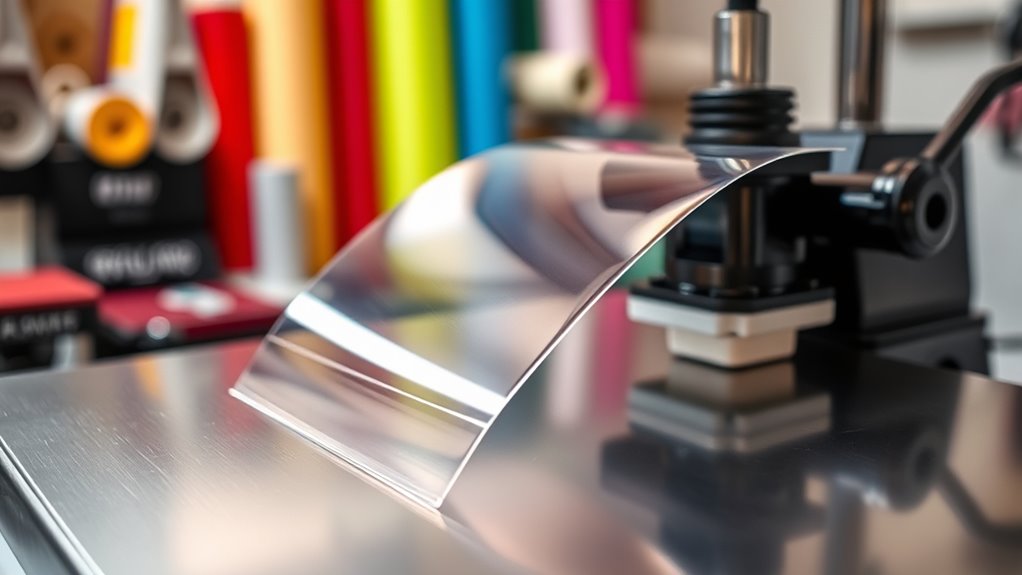
Although it might seem simple, transfer tape plays a crucial role in the heat press process by helping you move vinyl designs from their backing to your desired surface. You’ll find it’s a clear, adhesive sheet that lifts the vinyl without damaging it. When you peel your design from its original backing, the transfer tape holds everything in place, making positioning easier and more accurate.
You simply press the tape onto the vinyl, then lift and place it where you want it on your material. Once positioned correctly, you can smooth it out before applying heat. The tape guarantees your design doesn’t shift or wrinkle, giving you cleaner, professional results with less hassle.
It’s a small tool that makes a big difference in your crafting process.
Is It Safe to Heat Press Transfer Tape?
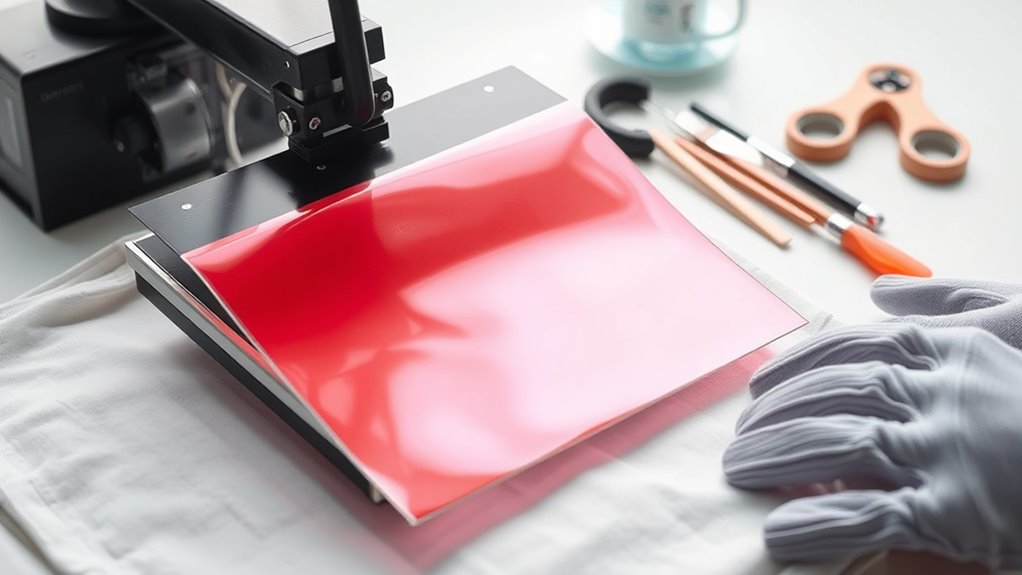
You might wonder if applying heat directly to transfer tape is safe for your materials and equipment. It’s important to understand how heat pressing affects the tape and follow key safety precautions.
Let’s explore what you need to watch out for to avoid damage or hazards.
Heat Press Impact
When you apply heat to transfer tape using a heat press, you trigger changes that can affect both the tape and your final design. The heat can soften the adhesive, making it easier to release the tape without damaging your design. However, too much heat or pressure might cause the tape to warp or leave residue behind.
Understanding these effects helps you get the best results.
Here’s what happens when you heat press transfer tape:
- The adhesive activates, improving transfer accuracy
- Excessive heat can cause the tape to shrink or deform
- Prolonged pressing may alter the tape’s tackiness, affecting peel-off quality
Safety Precautions
Understanding how heat affects transfer tape sets the stage for exploring safety precautions. When you heat press transfer tape, it’s essential to avoid overheating, which can release harmful fumes or cause burns. Always work in a well-ventilated area to minimize inhaling any vapors.
Use heat-resistant gloves to protect your hands from burns during pressing and handling. Make certain your heat press is calibrated correctly and set to the recommended temperature for your specific tape type. Never leave the press unattended while it’s hot.
Also, avoid direct skin contact with the tape immediately after pressing, as it might still be hot or sticky. By following these precautions, you’ll keep yourself safe and guarantee your transfer projects turn out perfectly every time.
When to Avoid Heat Pressing Transfer Tape
Although heat pressing transfer tape is effective for many projects, certain materials and designs can be damaged by excessive heat or pressure. You should avoid heat pressing transfer tape when working with heat-sensitive substrates like thin plastics or fabrics that can melt or warp. Delicate or intricate designs may also suffer distortion or peeling if exposed to too much heat.
Additionally, avoid heat pressing when the transfer tape’s adhesive isn’t rated for high temperatures, as this can cause sticking issues or residue.
- Thin vinyl or plastic materials prone to melting
- Fabrics with low heat tolerance, such as nylon or polyester blends
- Transfer tapes not designed to withstand heat press temperatures
Knowing when to skip the heat press helps protect your materials and ensures a clean, lasting transfer.
Which Transfer Tapes Handle Heat Best
You’ll want to choose transfer tapes that can withstand high heat without melting or losing stickiness. Different tapes have varying heat resistance levels based on their material composition. Understanding these differences helps you pick the right tape for your heat press projects.
Heat Resistance Levels
Because transfer tapes vary in their ability to withstand heat, selecting the right one is essential when using a heat press. If you pick a tape that can’t handle the temperature, it might melt, warp, or lose adhesion, ruining your project.
You want a tape that holds up well under the specific heat press settings you use.
Here’s what to evaluate about heat resistance levels:
- Low heat resistance tapes: Suitable for lower temperature presses; may deform above 200°F.
- Medium heat resistance tapes: Withstand up to around 300°F; good for most vinyl applications.
- High heat resistance tapes: Can tolerate 350°F or more; perfect for heavy-duty or industrial heat pressing.
Choosing the right tape prevents damage and ensures your transfers stay crisp and secure.
Material Composition Differences
When selecting transfer tape for heat pressing, understanding the material composition is essential since different tapes handle heat levels differently. Polyethylene (PE) tapes, for example, offer moderate heat resistance but may warp under high temperatures. Polyester (PET) tapes excel in heat durability, making them ideal for pressing applications where temperatures exceed 300°F.
Acrylic-based adhesives also perform well under heat, maintaining strong adhesion without melting or losing tackiness. On the other hand, rubber-based adhesives tend to degrade quickly when exposed to heat, causing transfer failures. Knowing these differences helps you pick a tape that won’t distort or lose grip during pressing, ensuring clean, crisp transfers.
Always check the manufacturer’s specifications to confirm the tape’s heat tolerance before starting your project.
How Heat Affects Transfer Tape Adhesives
Although heat is essential for activating transfer tape adhesives, it also changes their properties in ways you should understand. When you apply heat, the adhesive softens and becomes tackier, allowing it to bond firmly to surfaces. However, too much heat can cause the adhesive to degrade or lose its stickiness, impacting the transfer’s effectiveness.
Heat activates transfer tape adhesives but excessive heat can reduce their stickiness and effectiveness.
Heat also affects the adhesive’s flexibility, which is vital for conforming to different shapes.
Here’s what heat does to transfer tape adhesives:
- Softens the adhesive to improve bonding during pressing
- Alters adhesive strength, which can either enhance or weaken the hold
- Changes flexibility, affecting how well it adapts to curved or textured surfaces
Knowing these effects helps you manage heat application for the best transfer results.
Tips for Using Transfer Tape With a Heat Press
To get the best results with transfer tape and a heat press, you need to carefully control temperature and pressure settings. Start by testing on a small scrap to find the ideal heat and time without damaging the tape or design. Use moderate pressure to avoid crushing the tape or causing adhesive buildup.
Keep the heat press clean to prevent residue from sticking to the tape. When placing the transfer tape, smooth it out to eliminate bubbles and wrinkles for a clean transfer. Peel the tape off slowly and at a consistent angle once pressing is complete.
Finally, always follow the manufacturer’s guidelines for your specific tape type to guarantee maximum performance and avoid damage to both the tape and your project materials.
Troubleshooting Heat Press Transfer Tape Problems
If your heat press transfer tape isn’t sticking properly or leaves residue behind, you’ll need to troubleshoot common issues like incorrect temperature settings, insufficient pressure, or improper peeling technique. First, check your heat press temperature; too hot or too cold can cause adhesion problems.
Troubleshoot heat press issues by checking temperature, pressure, and peeling technique to ensure proper tape adhesion.
Next, ensure you apply enough pressure—light pressure won’t secure the tape well. Finally, pay attention to peeling technique; peeling too quickly or at the wrong angle can lift the design or leave adhesive residue.
- Verify temperature matches tape manufacturer’s recommendation.
- Adjust pressure to create firm, even contact.
- Peel transfer tape slowly and at a consistent angle.
How to Choose the Right Transfer Tape for Your Project
When selecting transfer tape for your project, you need to take into account the material you’ll be working with and the complexity of your design. For delicate or intricate designs, opt for a transfer tape with low tack to prevent tearing or misalignment. If you’re handling heavier materials like vinyl or cardstock, a higher tack tape will guarantee better adhesion.
Consider the surface texture too—smooth surfaces generally need less aggressive tape, while rough textures require stronger grip. Also, check if the tape is compatible with heat pressing if you plan to use that method. Transparent or clear transfer tapes are ideal for precise placement since they allow you to see the design clearly.
Other Ways to Apply Transfer Tape Without a Heat Press
Selecting the right transfer tape often involves considering how you’ll apply it, and not every project requires a heat press. You can achieve great results using alternative methods that rely on pressure and careful handling. For example, you might use a squeegee or a credit card to firmly press the tape onto your surface, ensuring proper adhesion.
Another option is to apply the transfer tape by hand, slowly smoothing it down to avoid bubbles or wrinkles. You can also try using a rolling pin to evenly distribute pressure across your design. These techniques allow you to work with transfer tape on various materials without investing in specialized equipment.
- Use a squeegee or credit card to press the tape firmly
- Smooth the transfer tape by hand to prevent bubbles
- Roll a rolling pin over the tape for even adhesion
Frequently Asked Questions
Can Transfer Tape Be Reused After Heat Pressing?
You generally can’t reuse transfer tape after heat pressing because the adhesive weakens and residue builds up. If you try, it won’t stick well, causing misalignment and poor transfer results.
It’s best to use fresh tape each time.
How Long Does Transfer Tape Last Before Losing Adhesiveness?
Transfer tape typically lasts about 6 to 12 months before losing adhesiveness, depending on storage and exposure to heat or sunlight.
You should keep it sealed and in a cool, dry place to extend its lifespan.
Does Humidity Affect Transfer Tape Performance During Heat Pressing?
Humidity is the silent thief that can steal your transfer tape’s grip during heat pressing. You’ll notice reduced adhesion and bubbling if moisture’s high, so keep your workspace dry to guarantee your designs stick perfectly every time.
Can Transfer Tape Damage Delicate Fabrics During Heat Pressing?
Yes, transfer tape can damage delicate fabrics during heat pressing if you use too much heat or pressure. You should always test on a small area first and adjust settings to protect your fabric from burns or distortion.
Taking these precautions helps ensure your fabric remains intact and your design looks perfect. Always follow the manufacturer’s guidelines for both the transfer tape and fabric. This careful approach minimizes the risk of damage during the heat press process.
Are There Eco-Friendly Transfer Tape Options Available?
Yes, you can find eco-friendly transfer tape options made from biodegradable or recyclable materials. These tapes reduce environmental impact while still providing strong adhesion for your projects, letting you create sustainably without sacrificing quality or performance.
Conclusion
Now that you know the ins and outs of heat pressing transfer tape, you might be wondering—can you really just toss it on the press and go? Well, not quite. The secret lies in choosing the right tape and knowing when to hold back.
Push too hard or heat too much, and you could ruin your project. But get it right, and the results will amaze you. Ready to take the plunge?
Remember, when you heat press transfer tape, using the appropriate temperature and pressure settings is key. Proper technique ensures your designs transfer smoothly without damage. So yes, you can heat press transfer tape—but only with the right care and attention.