Can You Heat Press Oracal 651 Vinyl
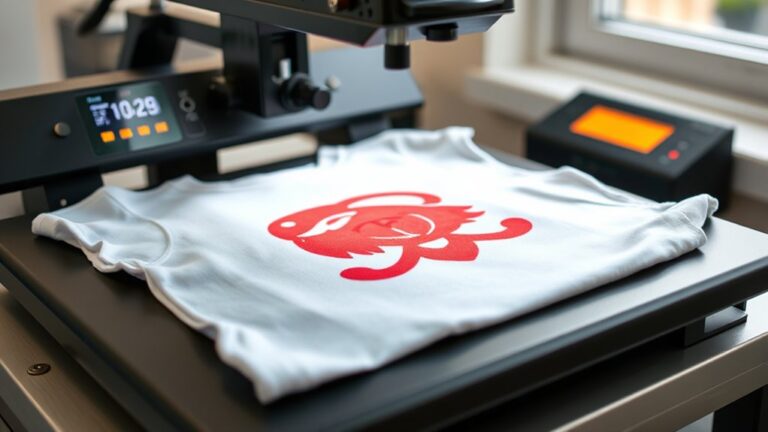
You shouldn’t heat press Oracal 651 vinyl because heat can damage its adhesive and surface, causing warping, bubbling, or peeling. This popular vinyl is known for its durability and weather resistance, but it is specifically designed for manual application.
Using heat press tools on Oracal 651 can compromise its quality and performance. Instead, apply firm, even pressure using tools like squeegees or rollers to ensure the best adhesion.
The vinyl adheres best to clean, smooth surfaces without the need for heat. Avoiding heat prevents the risk of losing its grip and vibrant finish.
For safer handling and application, stick to manual methods and proper surface preparation. There are many techniques to explore that maintain the integrity of Oracal 651 vinyl without risking damage.
Key Takeaways
- Oracal 651 vinyl is not designed for heat pressing and can be damaged by heat application.
- Heat pressing Oracal 651 may cause warping, bubbling, or loss of adhesive strength.
- Unlike heat transfer vinyl, Oracal 651 should be applied manually with firm pressure.
- Excessive heat risks color fading, vinyl distortion, and reduced durability of the design.
- Use a squeegee or roller for application on clean, dry surfaces without applying heat.
What Is Oracal 651 Vinyl Designed For
Although Oracal 651 vinyl is popular among crafters, it’s designed primarily for outdoor and indoor signage rather than heat pressing. When you use Oracal 651, you’re working with a durable, glossy adhesive vinyl meant to stick securely to surfaces like glass, plastic, and metal. It’s weather-resistant and holds up well against sunlight and moisture, making it ideal for decals, stickers, and vehicle graphics.
You’ll notice it has a strong adhesive backing, which helps it cling tightly without peeling easily. However, Oracal 651 isn’t made to withstand the heat or pressure involved in heat pressing, so it won’t respond the way heat transfer vinyl does.
Can You Use a Heat Press on Oracal 651 Vinyl?
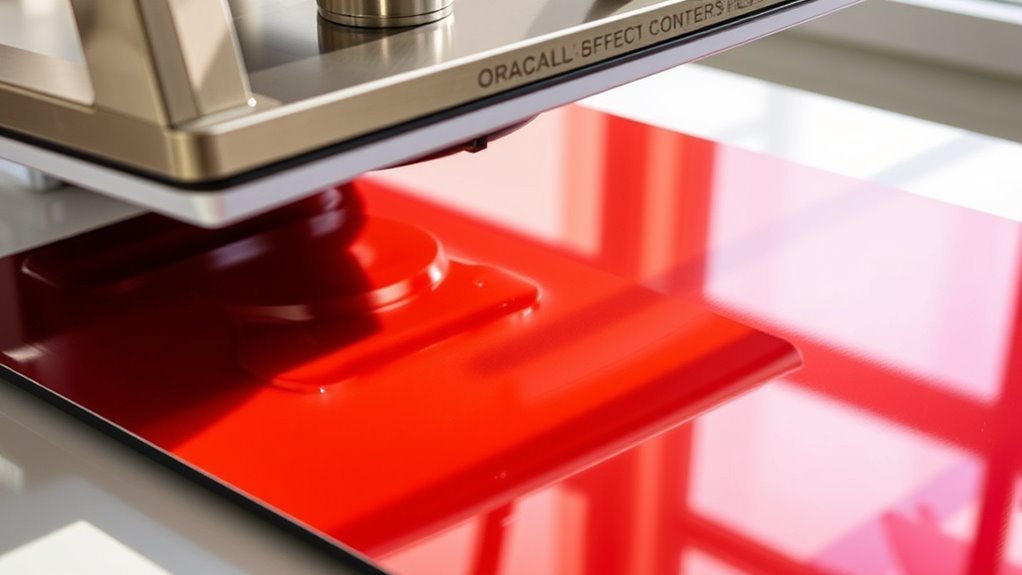
Since Oracal 651 vinyl is designed as an adhesive vinyl for signs and decals, you can’t use a heat press on it without damaging the material. Applying heat and pressure can cause the vinyl to warp, bubble, or lose its adhesive properties, ruining your project.
Unlike heat transfer vinyl (HTV), Oracal 651 isn’t made to withstand the intense heat and pressure from a heat press. Instead, you should use a standard craft or vinyl cutter and apply the vinyl by hand, pressing firmly to guarantee proper adhesion.
If you’re looking for a material to use with a heat press, consider vinyl specifically designed for heat application, such as Oracal 631 or HTV, which will give you better results without risking damage.
How Does Oracal 651 React to Heat
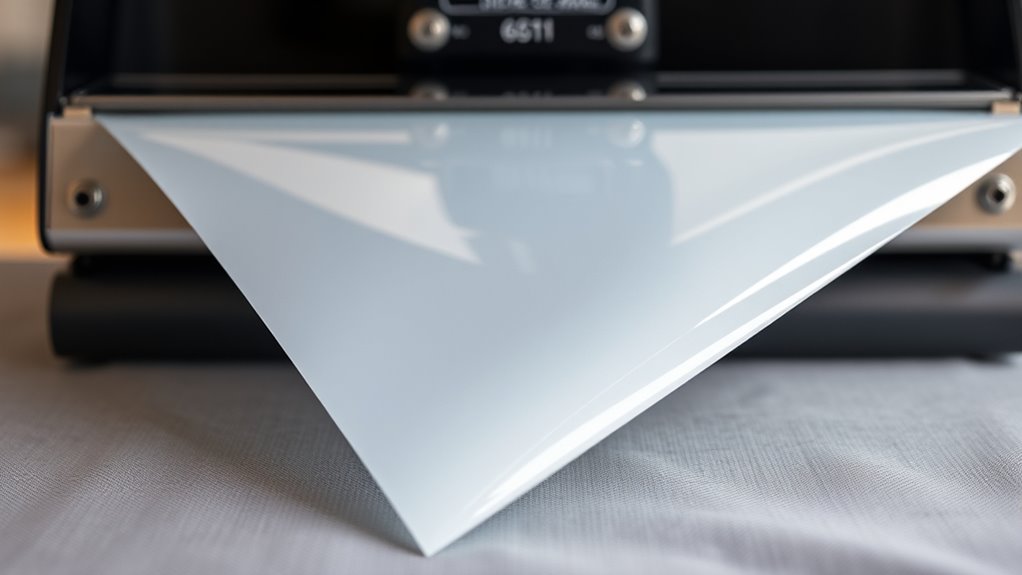
You need to understand how Oracal 651 handles heat before applying it. This vinyl is fairly heat resistant but can warp or lose adhesion if exposed to high temperatures.
Let’s look at what happens when it meets heat and how to avoid damage.
Heat Resistance Characteristics
When you apply heat to Oracal 651 vinyl, it holds up well under moderate temperatures but can start to warp or lose adhesion if exposed to excessive heat for too long. This vinyl is designed to withstand everyday conditions, making it reliable for most crafting and outdoor projects. You’ll notice it maintains flexibility and color vibrancy without melting or bubbling when heated properly.
However, pushing it beyond its heat tolerance risks damaging your design and surface.
Here’s what you can expect:
- Smooth, consistent surface under gentle heat
- Slight softening when exposed to warm temperatures for short periods
- Potential curling or lifting if heat is too intense or applied too long
Understanding these characteristics helps you handle Oracal 651 confidently without compromising your project.
Effects Of High Temperature
Although Oracal 651 vinyl can handle moderate heat, exposing it to high temperatures can cause noticeable changes like warping, shrinking, or loss of adhesion. When you apply excessive heat, the vinyl’s adhesive may soften too much, making it peel or bubble. The vinyl material itself can distort, losing its smooth finish and causing your design to look uneven or damaged.
High heat can also weaken the bond between the vinyl and the surface, reducing durability over time. To avoid these issues, it’s important not to surpass the recommended temperature range when heat pressing Oracal 651. By controlling the heat carefully, you’ll maintain the vinyl’s integrity and ensure your projects last longer without compromising their appearance.
Risks and Benefits of Heat Pressing Oracal 651
While Oracal 651 vinyl isn’t specifically designed for heat pressing, you can still use a heat press carefully to apply it in certain projects. You’ll benefit from faster application and strong adhesion when done right. However, there are risks like vinyl warping, loss of adhesive strength, or color distortion if temperatures get too high or time is too long.
To help you visualize, imagine:
- A smooth, shiny vinyl surface slightly melting to bond better
- Edges curling due to overheating
- Colors fading or becoming dull from excessive heat exposure
Alternatives to Heat Pressing Oracal 651 Vinyl
Since heat pressing Oracal 651 vinyl carries risks, you might want to explore alternative methods to apply it effectively. One common approach is using a squeegee or scraper tool to firmly press the vinyl onto your surface. This method guarantees good adhesion without exposing the vinyl to heat, reducing the chance of warping or damage.
Another option is relying on the vinyl’s strong adhesive by applying it to clean, dry surfaces at room temperature. You can also use a roller to evenly press the vinyl, especially on curved or uneven surfaces. These alternatives let you maintain the vinyl’s integrity while achieving a smooth, lasting application without the complications heat pressing might bring.
Best Practices for Applying Oracal 651 Without Heat
When applying Oracal 651 without heat, focusing on proper surface preparation and application technique makes all the difference. Start by thoroughly cleaning the surface—you want it free of dust, oils, and moisture to guarantee strong adhesion. Slowly peel the vinyl backing, then position the vinyl carefully before pressing it down.
Use a squeegee or credit card to eliminate air bubbles and create firm contact. Here’s what you should keep in mind: Clean, dry, and smooth surfaces improve sticking power. Apply firm, even pressure with a squeegee to avoid wrinkles.
Work slowly to align and press without stretching the vinyl. Following these steps helps you achieve a clean, lasting application without needing heat.
Troubleshooting Common Issues With Oracal 651 and Heat
If you encounter issues when applying heat to Oracal 651 vinyl, knowing how to troubleshoot can save you time and frustration. Common problems include bubbling, peeling, or vinyl warping. These often result from incorrect temperature, pressure, or application time.
Use this quick guide to identify and fix these issues:
| Issue | Possible Cause |
|---|---|
| Bubbling | Heat too high or too long |
| Peeling | Insufficient pressure |
| Warping | Excessive heat or fast cooling |
| Poor adhesion | Contaminated surface |
| Wrinkling | Vinyl stretched during pressing |
Tips to Improve Oracal 651 Adhesion Safely
Addressing common heat-related issues with Oracal 651 vinyl often comes down to how well the adhesive bonds to the surface. To improve adhesion safely, focus on preparing your surface and controlling heat application carefully. Start by cleaning the surface thoroughly—removing dust, oils, and residues ensures a stronger bond.
Next, apply firm, even pressure when pressing the vinyl, which helps it stick better without risking damage. Finally, use moderate heat settings to activate the adhesive without melting or warping the vinyl.
- Wipe the surface with isopropyl alcohol and let it dry completely
- Use a squeegee or roller to press the vinyl firmly onto the substrate
- Set your heat press between 120°F and 140°F, applying heat for 10-15 seconds
These steps help you maximize adhesion while safeguarding your vinyl.
Frequently Asked Questions
Can Oracal 651 Vinyl Be Used on Fabric Materials?
Oracal 651 vinyl isn’t ideal for fabric because it’s made for hard, smooth surfaces. You’ll find it doesn’t stretch or flex well, so it might crack or peel when applied to clothing or other textiles.
How Long Does Oracal 651 Vinyl Typically Last Outdoors?
Oracal 651 vinyl typically lasts about 6 to 7 years outdoors if you apply it properly and avoid harsh conditions.
You’ll want to clean the surface well and press firmly for the best durability.
Is Oracal 651 Vinyl Waterproof Once Applied?
Yes, Oracal 651 vinyl is waterproof once applied. You don’t have to worry about water damage during outdoor use, thanks to its durable, weather-resistant adhesive and protective layer that keeps moisture from affecting your design.
This makes it ideal for a variety of outdoor projects. The vinyl’s strong bond ensures it stays in place even in wet conditions. You can confidently use it on surfaces exposed to rain or humidity.
What Tools Are Best for Cutting Oracal 651 Vinyl?
You’ll want sharp blades and steady hands—think craft knives, vinyl cutters, or a Cricut machine slicing like a hot knife through butter.
A cutting mat and weeding tools help you peel with precision and ease.
Can Oracal 651 Vinyl Be Removed Without Damaging Surfaces?
Yes, you can remove Oracal 651 vinyl without damaging surfaces if you peel it slowly and use gentle heat. Avoid harsh scrapers, and clean residue with mild adhesive remover to protect your surface effectively.
Conclusion
So, can you really heat press Oracal 651 vinyl? While it’s not designed for heat pressing and may not react well to high temperatures, you can still achieve great results using its adhesive backing with a squeegee or scraper.
Why risk damaging your project when you have safer, proven methods? Stick to the recommended application techniques to guarantee your designs stay vibrant and durable without the hassle or potential heat damage.
In conclusion, heat pressing Oracal 651 vinyl is not advisable. Using proper application methods ensures the longevity and quality of your vinyl projects. Always prioritize the best practices for Oracal 651 vinyl to avoid any issues with heat pressing.