Can You Heat Press on Nylon Material
Yes, you can heat press on nylon material, but it requires careful attention to temperature, time, and pressure to avoid damage. Nylon’s unique properties make it sensitive to heat, so controlling these factors is essential for successful heat pressing.
Proper care and technique ensure that the fabric maintains its quality and appearance.
Use a temperature between 250°F and 300°F, press for 5 to 15 seconds, and apply light to medium pressure.
Always test on scrap fabric first and use a Teflon sheet to protect the nylon from scorching or melting.
To get the best results and avoid common mistakes, it helps to understand nylon’s unique properties and proper care methods.
Key Takeaways
- Nylon can be heat pressed but requires precise temperature control, typically between 250°F and 300°F, to avoid melting or damage.
- Use light to medium pressure (30-40 psi) and short pressing times (5-15 seconds) to prevent fabric distortion.
- Always protect nylon with Teflon sheets or parchment paper during pressing to avoid scorching and discoloration.
- Choose transfer materials compatible with nylon, such as PU heat transfer films or stretch vinyl designed for synthetics.
- Test on scrap nylon fabric first, starting with low heat and short press times, to ensure proper adhesion without damage.
Can You Heat Press Nylon? What You Need to Know
Although nylon can be tricky to heat press due to its sensitivity to high temperatures, you can still achieve great results if you follow the right techniques. First, you’ll want to use a lower temperature setting—typically between 250°F and 300°F—to avoid melting or warping the fabric. Always test on a scrap piece before pressing your final design.
Use a protective sheet like parchment paper or a Teflon sheet to shield the nylon from direct heat. Keep your pressing time short, around 5 to 10 seconds, and apply moderate pressure. By carefully controlling heat, time, and pressure, you’ll prevent damage and get clean, vibrant transfers on your nylon items.
With these steps, heat pressing nylon becomes manageable and effective.
What Makes Nylon Different From Other Fabrics for Heat Pressing
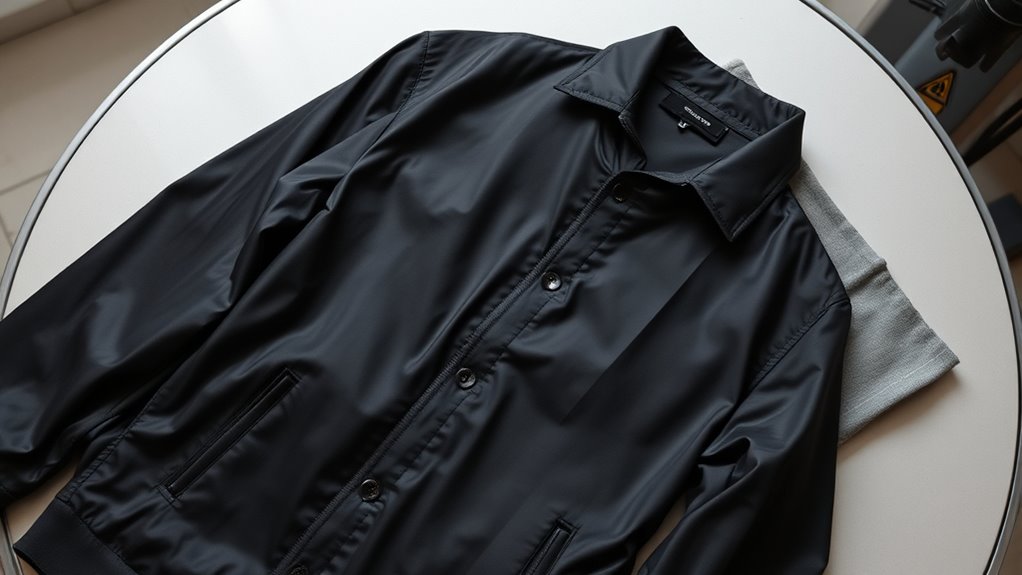
Mastering heat pressing on nylon requires understanding what sets this fabric apart from others. Unlike cotton or polyester, nylon is a synthetic fabric made from polyamides, giving it unique properties like high elasticity and water resistance. You’ll notice nylon’s smooth, shiny texture, which affects how heat and pressure interact during pressing.
Its low melting point means it reacts differently to heat—too much can damage the fibers quickly. Nylon also tends to be less porous, so ink or transfer materials may not adhere as easily as they do to natural fabrics. Because of these differences, you need to adjust your heat press settings and techniques specifically for nylon to get clean, lasting results without harming the fabric or your design.
Why You Need to Be Careful When Heat Pressing Nylon
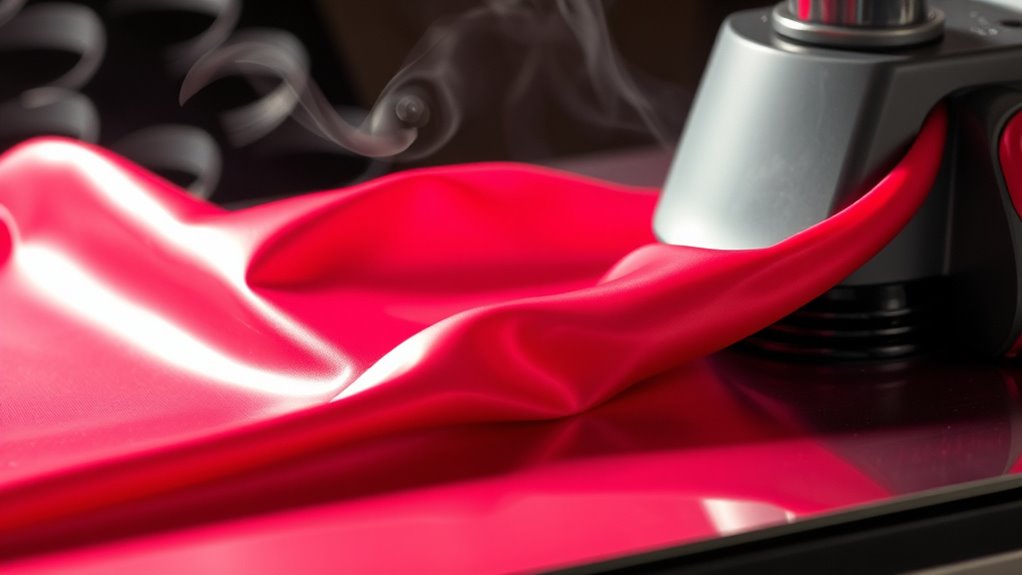
Why must you handle heat pressing nylon with extra caution? Nylon is sensitive to high temperatures and can easily melt, warp, or discolor if you’re not careful. Unlike cotton or polyester, nylon’s synthetic fibers react quickly to heat, so you need to monitor your process closely.
Applying too much pressure or heat can ruin your project instantly.
Here’s a quick reference to keep you on track:
| Factor | Risk if Ignored | Result |
|---|---|---|
| Temperature | Excessive heat | Melting or warping |
| Pressure | Too much pressure | Fabric distortion |
| Time | Overexposure | Color fading |
| Material Type | Unstable nylon blend | Uneven heat response |
| Cooling | Rapid cooling | Wrinkling or shrinking |
Being mindful prevents damage and ensures successful heat pressing.
Set the Right Temperature for Heat Pressing Nylon
When you heat press nylon, setting the right temperature is essential to avoid damaging the fabric. Nylon melts at a relatively low temperature, so you’ll want to keep your heat press between 270°F and 300°F (about 130°C to 150°C). Going above this range risks melting or warping the material, ruining your project.
Always check your heat press machine’s settings and adjust carefully. If you’re unsure, start at the lower end of the temperature range and test on a scrap piece of nylon before pressing your final item. Using a protective sheet, like a Teflon sheet, can also help distribute heat evenly and prevent scorching.
Proper temperature control guarantees crisp, lasting transfers without compromising the nylon’s integrity.
How to Set Time and Pressure for Nylon Heat Pressing
Now that you’ve set the right temperature, it’s important to focus on time and pressure for nylon heat pressing. You’ll want to use ideal time settings to avoid damage while ensuring proper adhesion.
Applying the appropriate pressure levels helps achieve a smooth, long-lasting finish without crushing the fabric.
Optimal Time Settings
How do you find the perfect balance of time and pressure for heat pressing nylon? Start by setting your heat press timer between 10 to 15 seconds. Nylon is sensitive to heat, so shorter pressing times prevent fabric damage.
Always test on a scrap piece before the final press. Keep the heat around 300°F (149°C) to avoid melting or warping. Adjust the time slightly depending on your specific nylon type and thickness.
If you notice any warping or discoloration, reduce the time by a few seconds. Remember, pressing for too long can ruin the fabric, but too short might result in a poor transfer. With careful timing and trial, you’ll achieve a clean, durable print without compromising the nylon’s integrity.
Appropriate Pressure Levels
What pressure level works best for heat pressing nylon without damaging the fabric? You want to use light to medium pressure—too much pressure risks crushing or melting the nylon. Generally, setting your heat press to around 30 to 40 psi works well.
This level ensures the transfer adheres properly without distorting the material. Avoid heavy pressure, as nylon is delicate and can easily warp under intense force. Pair this with the right time and temperature settings to get the best results.
How to Test Your Heat Press Settings Safely on Nylon
Before pressing your final nylon piece, pick a similar test fabric to avoid damage. Adjust the temperature carefully and run quick timing and pressure checks to find the sweet spot.
This way, you’ll protect your material and get perfect results every time.
Choosing Test Fabric
Why risk ruining your project when you can test your heat press settings safely? Choosing the right test fabric is essential before applying heat to your nylon material. Pick a piece of nylon that closely matches your final project in weight, weave, and finish.
Avoid blends or fabrics with coatings that might react differently under heat. If you don’t have an exact match, use a similar synthetic fabric with comparable heat tolerance. Cut a small swatch for testing, so you don’t waste your main fabric.
Testing on this sample lets you adjust pressure and time without damaging your actual piece. Always keep your test fabric clean and free from contaminants to guarantee accurate results. This saves you time, money, and frustration in the long run.
Temperature Adjustment Tips
Once you’ve selected your test fabric, you can start fine-tuning your heat press settings to protect your nylon from damage. Begin at a low temperature, around 270°F, and increase in small increments.
Always test on a scrap piece to observe any melting or warping before pressing your final piece.
Use the table below to guide your adjustments safely:
| Temperature (°F) | Nylon Reaction | Recommended Action |
|---|---|---|
| 270 | No visible change | Safe to proceed |
| 300 | Slight softening | Reduce temperature |
| 320+ | Melting/warping | Stop and lower heat |
Timing and Pressure Checks
Although you’ve adjusted the temperature carefully, you’ll need to test timing and pressure to guarantee the nylon material withstands the heat press without damage. Start by setting a shorter time than recommended, around 5-7 seconds, and apply moderate pressure. Press a small nylon scrap first to check for any melting, warping, or discoloration.
If the material reacts well, gradually increase the time in small increments while maintaining consistent pressure. Avoid heavy pressure, as nylon is delicate and can easily get crushed or stretched. Use a Teflon sheet or protective cover to distribute heat evenly and prevent direct contact.
Keep notes of each test’s settings and outcomes, so you can replicate the ideal combination for your final project without risking damage.
Which Heat Transfer Materials Work Best on Nylon
When you’re working with nylon, selecting the right heat transfer material is essential to guarantee durability and vibrant results. You’ll want to choose materials specifically designed for synthetic fabrics, as they adhere better and resist peeling or cracking. Sublimation transfers work well on nylon blends but require a polymer coating.
Alternatively, polyurethane (PU) heat transfer films offer flexibility and strong adhesion, making them ideal for nylon’s smooth surface. Avoid materials that need high temperatures or long press times, as nylon can melt or warp. Instead, opt for low-temperature, quick-press options to protect the fabric.
Can You Use Heat Press Vinyl on Nylon Material?
How well does heat press vinyl stick to nylon material? It can adhere, but you need to be cautious. Nylon’s smooth, synthetic surface makes bonding tricky, so you must pick the right vinyl and technique.
Here’s what you should know:
Here’s what you should know before heat pressing vinyl onto nylon for the best results.
- Use polyurethane (PU) or stretch vinyl—they’re flexible and bond better with nylon.
- Avoid high temperatures; nylon melts easily. Keep heat below 320°F (160°C).
- Apply moderate pressure and a shorter press time to prevent damage.
- Test a small swatch first to guarantee adhesion and fabric safety.
How to Prepare Nylon Fabric Before Heat Pressing
Before you start heat pressing on nylon, make sure to clean the fabric’s surface to remove any dirt or oils. Test a small area first to check how the nylon reacts to heat.
Always use protective layers to prevent damage during pressing.
Cleaning Nylon Surface
Why does cleaning your nylon fabric matter before heat pressing? Dirt, oils, and residues can prevent heat transfer materials from adhering properly, causing uneven results or peeling.
To get the best outcome, you need a clean, smooth surface.
Follow these steps to prepare your nylon fabric:
- Shake off dust – Remove loose dirt by shaking or brushing the fabric gently.
- Spot clean stains – Use a mild detergent with a soft cloth to treat any marks.
- Hand wash if needed – Wash with cold water and gentle soap, avoiding harsh chemicals.
- Air dry completely – Ensure the fabric is fully dry to prevent steam during pressing.
A clean nylon surface ensures your heat press designs stick well and last longer.
Testing Heat Sensitivity
When should you test your nylon fabric’s heat sensitivity? Always before applying full heat press settings. Nylon varies in weave and finish, so testing prevents damage like melting or discoloration.
Start by cutting a small fabric swatch from your nylon piece. Set your heat press to the lowest recommended temperature, then press the swatch for 5-10 seconds. Check for any signs of distress—shrinkage, warping, or color change.
If the fabric holds up, gradually increase temperature and pressing time in small increments, testing each time. This stepwise approach helps you find the highest safe heat setting. Testing guarantees your final project won’t ruin the nylon, saving you time and money.
Always test before the actual heat press session to protect your fabric.
Using Protective Layers
After determining the right heat settings for your nylon fabric, you’ll want to safeguard it during the pressing process. Nylon is sensitive to direct heat, so using protective layers helps prevent melting, scorching, or unwanted shine.
Here’s how to prepare:
- Place a Teflon sheet or parchment paper over the nylon to shield it from direct contact with the heat press.
- Use a thin cotton towel as an additional layer if your press is very hot or if you’re applying firm pressure.
- Avoid plastic or synthetic materials for protection, as they can melt onto your fabric.
- Always test on a scrap piece first to ensure the protective layers work without affecting the design quality.
These steps keep your nylon safe and your heat press results flawless.
Why Always Use a Teflon Sheet to Protect Nylon
Because nylon is sensitive to direct heat, you should always use a Teflon sheet during the heat press process to prevent damage. The Teflon sheet acts as a protective barrier, evenly distributing heat and preventing direct contact between the hot press and the nylon fabric. Without it, the nylon can scorch, melt, or become discolored due to concentrated heat.
Using a Teflon sheet also helps avoid sticky residue buildup on your press, which can transfer onto your nylon material. It guarantees smooth pressure application and protects both your garment and heat press equipment. By incorporating a Teflon sheet, you maintain the quality and longevity of your nylon items while achieving crisp, professional heat press results every time.
How to Avoid Melting and Warping When Heat Pressing Nylon
Using a Teflon sheet helps protect your nylon fabric, but you still need to be careful with heat and pressure settings to prevent melting and warping. Nylon is sensitive to high temperatures, so dialing in the right settings is essential.
Using a Teflon sheet shields nylon fabric, but precise heat and pressure control is key to avoid damage.
Here’s how you can avoid damage:
- Set Lower Temperature: Keep your heat press below 320°F (160°C) to avoid melting the nylon fibers.
- Reduce Pressure: Use light to medium pressure to prevent fabric distortion.
- Shorten Press Time: Limit pressing time to 10-15 seconds to reduce heat exposure.
- Test First: Always do a test press on a scrap piece to verify settings won’t harm your fabric.
How to Care for Nylon Garments After Heat Pressing
When you finish heat pressing nylon garments, proper care is essential to maintain the design and fabric quality. First, let the garment cool completely before handling to avoid smudging or distorting the design. Always wash nylon items inside out in cold water using a gentle cycle to protect the heat-pressed design.
Avoid bleach and fabric softeners, as they can damage both the fabric and the print. When drying, opt for air drying or use a low-heat setting in the dryer to prevent shrinkage and warping. If ironing is necessary, place a cloth between the iron and the design, and use the lowest heat setting.
Following these steps helps your nylon garments stay vibrant and intact, extending their lifespan after heat pressing.
Frequently Asked Questions
Can Heat Pressing Damage the Water Resistance of Nylon?
Yes, heat pressing can damage nylon’s water resistance if you use too much heat or press for too long.
You’ll want to use a lower temperature and a protective sheet to keep the fabric’s coating intact.
Is It Safe to Heat Press Nylon With Other Fabrics Together?
It’s generally safe to heat press nylon with other fabrics together if you use the correct temperature and pressure settings. You should test a small area first to avoid damaging any material or causing color bleeding.
Make sure to follow the recommended heat press guidelines for each fabric type. Different materials may require different heat levels.
Always monitor the process closely to prevent any mishaps. Adjust settings as needed based on the test results.
How Does Humidity Affect Heat Pressing Nylon?
Humidity’s like a sneaky shadow—it can cause nylon to retain moisture, making heat pressing tricky. You’ll need to lower temperature and press time to avoid melting or warping, ensuring crisp, clean results every time.
Can You Wash Heat-Pressed Nylon Immediately After Pressing?
You shouldn’t wash heat-pressed nylon immediately after pressing. Give it at least 24 hours to cure so the design sets properly.
Washing too soon can cause peeling or fading, so be patient for best results.
Are There Special Adhesives for Heat Pressing Nylon?
Yes, you’ll want to use special adhesives designed for nylon, like heat-activated glues or flexible vinyl with strong bonding properties. These guarantee your design sticks well without damaging the delicate fabric during heat pressing.
Conclusion
You can definitely heat press nylon, but it’s like walking a tightrope—you need precision and care. By setting the right temperature, time, and pressure, and always using a Teflon sheet, you’ll protect your fabric from melting or warping.
Preparing your nylon properly and caring for it afterward keeps your designs vibrant and lasting.
With these tips, you can confidently bring your creative vision to life without fear of ruining your prized nylon pieces. Heat pressing on nylon material requires attention to detail, but with the right approach, it’s entirely achievable and rewarding.