Can You Heat Press a Rain Jacket
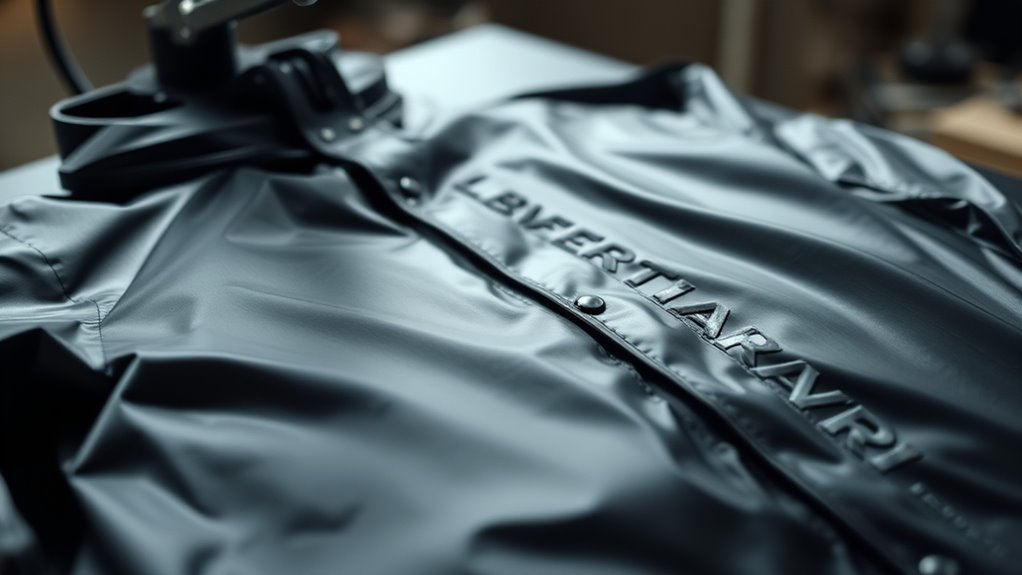
You can heat press a rain jacket, but it requires careful attention to avoid damage. Rain jackets are made from heat-sensitive synthetic fabrics and waterproof coatings that can easily get harmed by high heat or pressure.
Understanding how to properly heat press a rain jacket is crucial to maintaining its waterproof qualities. Always turn the jacket inside out, use protective sheets, and limit pressing time to protect the waterproof membrane.
Choosing the right temperature, pressure, and materials is essential for a successful heat press. If you want to customize your jacket without ruining it, there’s more you should know.
Key Takeaways
- Rain jackets made from synthetic fabrics require careful heat pressing to avoid damaging waterproof membranes and coatings. Use protective layers like Teflon sheets and avoid pressing directly over seams, zippers, or reflective parts.
- Recommended heat press settings are 270°F–300°F with medium pressure for 10–20 seconds, using PU or TPU heat transfer vinyl. Test the heat press on a small, hidden area first to ensure fabric and coating compatibility without damage.
- Post-pressing care includes gentle washing inside out with cold water and low-heat drying to maintain design and waterproof integrity.
What Materials Are Rain Jackets Made Of?
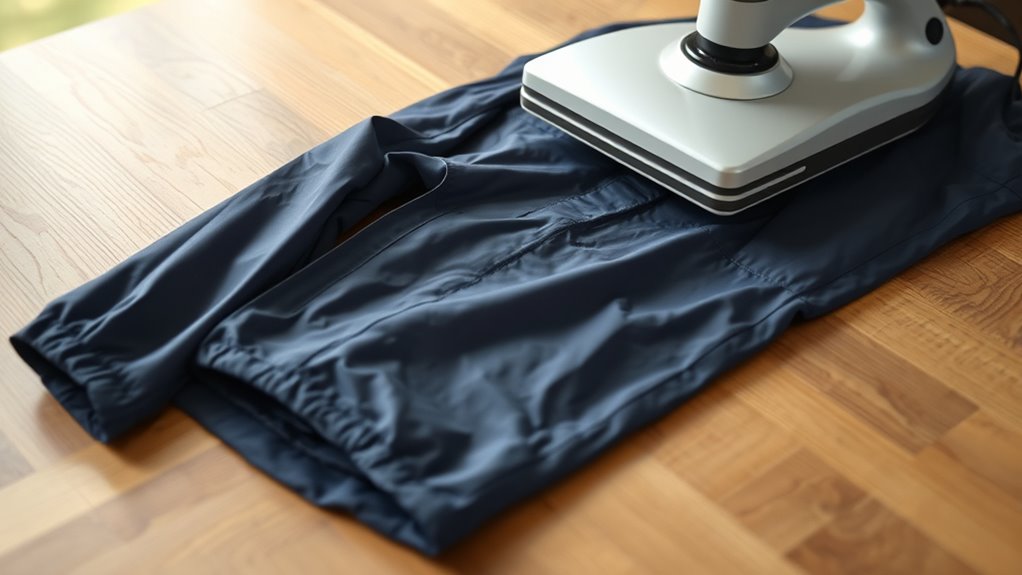
Although rain jackets come in various styles, they’re typically made from synthetic materials designed to keep you dry. You’ll often find fabrics like nylon and polyester, which are lightweight and water-resistant. Many rain jackets also feature a waterproof membrane such as Gore-Tex or polyurethane coatings that prevent water from penetrating while allowing breathability.
Some jackets have a DWR (durable water repellent) finish that helps water bead and roll off the surface. When you look closer, you might notice mesh linings inside for added comfort and moisture management. Understanding these materials helps you know how your jacket functions and what to expect when applying heat or other treatments, ensuring you handle it properly without damaging the fabric’s waterproof qualities.
Is It Safe to Heat Press a Rain Jacket?
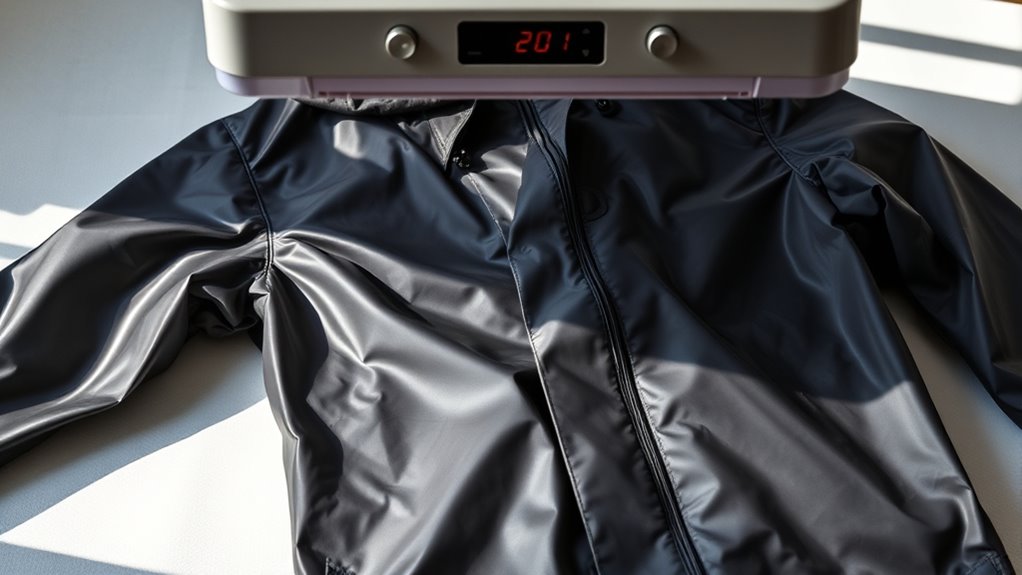
Knowing the materials used in rain jackets helps you understand why heat pressing can be risky. These jackets often use synthetic fabrics like polyester or nylon, combined with waterproof membranes that react poorly to high heat. If you decide to heat press, you must control temperature and pressure carefully to avoid damage.
| Material | Heat Sensitivity | Recommended Action |
|---|---|---|
| Polyester | Medium | Use low temperature |
| Nylon | High | Avoid direct heat |
| Waterproof Membrane | Very High | Do not heat press |
If you proceed, test on a small area first. Generally, heat pressing rain jackets isn’t entirely safe without precautions, so weigh the benefits against potential risks before starting.
What Can Go Wrong When Heat Pressing Rain Jackets?
When you heat press a rain jacket without proper care, you risk melting or warping the fabric and damaging the waterproof membrane. The high heat can cause synthetic fibers to shrink or deform, ruining the jacket’s fit and appearance. If the temperature is too high or the pressing time too long, the waterproof coating may delaminate, resulting in reduced water resistance.
Applying too much pressure can leave permanent marks or creases, while uneven heat distribution might cause inconsistent results. Additionally, adhesive transfers might not bond well, leading to peeling or bubbling. You could also inadvertently damage zippers, seams, or reflective elements if you’re not careful.
How to Prepare Rain Jackets for Heat Pressing
Before you start heat pressing a rain jacket, you need to take specific steps to protect its fabric and waterproof features. First, clean the jacket thoroughly to remove dirt and oils that can affect adhesion. Make sure it’s completely dry before moving on.
Next, turn the jacket inside out to avoid direct heat on the outer waterproof surface. Use a Teflon sheet or parchment paper over the area you’ll press to shield the fabric from direct contact with the heat press. Avoid pressing over seams, zippers, or reflective strips to prevent damage.
Finally, test your transfer or design on a small, inconspicuous area to guarantee it adheres well without harming the jacket. These steps help maintain the jacket’s integrity during heat pressing.
Heat Press Settings for Rain Jackets
You’ll want to set your heat press to the right temperature, pressure, and time to avoid damaging the rain jacket. Typically, an ideal temperature range between 270°F and 300°F works well.
Applying medium pressure for about 10 to 15 seconds usually gives the best results.
Optimal Temperature Range
How hot should your heat press be to safely work with a rain jacket? The key is to find a temperature that activates the adhesive without damaging the waterproof material or fabric. Typically, you’ll want to stay within a moderate heat range to avoid melting or warping.
Here’s an ideal temperature guide for heat pressing rain jackets:
- Set your heat press between 280°F and 320°F (140°C to 160°C).
- Start at the lower end if you’re unsure, then increase gradually.
- Avoid exceeding 320°F to prevent fabric damage.
- Use a heat-resistant sheet to protect the jacket’s surface.
Recommended Pressure Levels
Along with temperature, pressure plays a vital role in heat pressing rain jackets effectively. You’ll want to apply medium pressure—too light, and the adhesive won’t bond properly; too heavy, and you risk damaging the fabric or waterproof coating. Generally, a pressure setting between 30 to 40 psi works best for most rain jackets.
This level guarantees even heat distribution and good contact without crushing the material. If your heat press has adjustable pressure settings, start low and gradually increase until you feel the fabric is firmly held but not overly compressed. Always test on a small, inconspicuous area first to confirm the pressure won’t harm the jacket’s surface or affect its waterproofing.
Proper pressure guarantees a clean, durable heat press result every time.
Ideal Pressing Duration
Although pressing duration varies depending on the jacket’s material and adhesive type, setting the right time is essential for a strong, lasting bond. You don’t want to under-press, which can cause weak adhesion, nor over-press, which could damage the fabric. Typically, you’ll find the ideal pressing duration between 10 to 20 seconds.
Here’s a quick guide to help you nail the timing:
- Lightweight rain jackets: 10-12 seconds
- Medium-weight or insulated jackets: 15-18 seconds
- Heat-sensitive fabrics: 10 seconds or less
- Thick or multi-layered jackets: 18-20 seconds
Always test on a scrap piece first to avoid ruining your jacket. Adjust based on adhesive instructions and fabric response for the best results.
Best Heat Transfer Materials for Heat Pressing Rain Jackets
When you’re heat pressing a rain jacket, choosing the right transfer material is essential to guarantee durability and water resistance. Opt for polyurethane (PU) or thermoplastic polyurethane (TPU) heat transfer vinyl, as these materials are flexible, waterproof, and adhere well to synthetic fabrics commonly used in rain jackets.
Avoid standard vinyl that isn’t designed for water-resistant fabrics, as it may crack or peel after exposure to moisture. Silicone-based transfers also work great since they maintain flexibility and repel water. When applying, make sure the transfer material suits the jacket’s fabric type and thickness.
Using quality materials designed specifically for outerwear ensures your design stays vibrant and intact, even in wet conditions, extending the life and look of your customized rain jacket.
Alternatives to Heat Pressing Rain Jackets
Wondering what to do if heat pressing isn’t ideal for your rain jacket? You have several effective alternatives that keep your jacket safe and stylish. Here are four options to evaluate:
- Sewing on Patches or Logos – Use waterproof thread to avoid compromising the jacket’s integrity.
- Iron-On Transfers (Low Heat) – Carefully apply at the lowest heat setting and use a cloth barrier.
- Adhesive Stickers Designed for Fabrics – These don’t require heat and are easy to apply.
- Screen Printing with Special Inks – This method uses inks that bond without heat, preserving waterproof qualities.
Each alternative lets you add customization without risking damage from high heat. Choose the method that best fits your jacket’s material and your design needs.
Protecting Waterproof Coatings When Heat Pressing
If you decide to heat press your rain jacket despite the risks, taking steps to protect its waterproof coating becomes a top priority. Start by lowering the heat setting on your press to the manufacturer’s recommended minimum or below 300°F to avoid melting or damaging the coating. Use a protective barrier like a Teflon sheet or parchment paper between the heat press and the jacket to shield the fabric.
Limit the pressing time to just a few seconds to reduce heat exposure. Always test on a small, inconspicuous area first. Avoid applying excessive pressure, which can crush the coating’s texture.
These precautions help maintain the jacket’s water resistance while allowing you to customize it safely.
Troubleshooting Heat Press Problems on Rain Jackets
Although heat pressing rain jackets can be tricky, you can troubleshoot common issues by understanding how heat, pressure, and time affect the fabric and coating.
Heat pressing rain jackets requires careful balance of heat, pressure, and time to protect fabric and coating.
If your design isn’t adhering well or the jacket’s waterproof layer seems damaged, check these key areas:
- Temperature Too High – This can melt or warp the coating. Lower the heat to the manufacturer’s recommended range.
- Insufficient Pressure – Not enough pressure causes poor adhesion. Adjust your press to apply firm, even pressure.
- Pressing Time Too Long or Short – Too long may damage fabric; too short won’t bond properly. Use the best-suited time for your material.
- Incompatible Transfer Material – Ensure you’re using heat transfer vinyl or paper suitable for waterproof fabrics.
Caring for Customized Rain Jackets After Heat Pressing
Once you’ve successfully heat pressed your rain jacket, caring for it properly guarantees your custom design stays vibrant and intact. Always turn the jacket inside out before washing to protect the design from friction and abrasion. Use cold water and a gentle cycle to prevent damage to both the fabric and the print.
Avoid bleach and fabric softeners, as they can degrade the adhesive and colors. When drying, skip the high heat in the dryer; instead, air dry or use a low heat setting to preserve the design’s longevity. If ironing is necessary, place a cloth over the design and use a low temperature to avoid melting or warping.
Following these steps helps your customized rain jacket look great for years.
Frequently Asked Questions
Can Heat Pressing Affect the Breathability of Rain Jackets?
Yes, heat pressing can affect your rain jacket’s breathability by damaging waterproof membranes or coatings. You should avoid high heat and follow manufacturer guidelines to keep your jacket functional and comfortable during wear.
Heat can compromise the jacket’s ability to allow moisture to escape, leading to discomfort. Proper care ensures the longevity of the jacket’s breathable features. Always use recommended settings when heat pressing.
How Long Does a Heat Press Design Last on a Rain Jacket?
Like a tattoo on fabric, a heat press design on your rain jacket can last several years with proper care.
You’ll want to avoid harsh washing and heat to keep it vibrant and intact over time.
Are There Specific Brands Better Suited for Heat Pressing?
Yes, you’ll find brands like Gore-Tex and Columbia better suited for heat pressing because their fabrics handle heat well. Always check fabric type and heat tolerance to avoid damage and guarantee your design lasts longer.
Can Heat Pressing Damage the Jacket’s Seams or Zippers?
Yes, heat pressing can damage your jacket’s seams or zippers if you apply too much heat or pressure. Always use a protective barrier and test on a small area to avoid melting or warping those sensitive parts.
Be cautious with the settings to protect the fabric and hardware. Using moderate heat and pressure reduces the risk of damage. This careful approach helps maintain the jacket’s integrity.
Is Professional Equipment Necessary for Heat Pressing Rain Jackets?
You don’t necessarily need professional equipment to heat press rain jackets, but it helps guarantee even heat and pressure. Using a home press or iron can work, but you risk damaging the material or getting uneven results.
Professional equipment offers more control, reducing the chance of errors. It ensures consistent temperature and pressure across the entire surface. This consistency is crucial for durable and high-quality results.
Conclusion
You can certainly customize your rain jacket with a heat press, but proceed with precautions to protect its waterproof properties. Remember, materials matter—polyester and nylon handle heat better than others. Prepping properly and picking perfect press settings prevents problems and preserves your jacket’s performance.
If you’re cautious and creative, you’ll craft a cool, customized coat without compromising comfort or coverage. Keep care consistent, and your rain-ready rain jacket will stay stylish and strong! When heat pressing a rain jacket, always consider the fabric type and temperature settings to maintain its durability and water resistance.