Can You Heat Press Plastic Tumblers
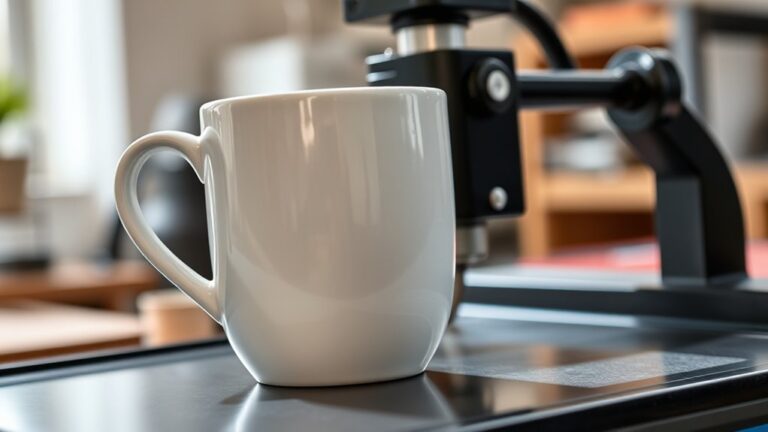
You can heat press plastic tumblers if you choose heat-resistant plastics like Tritan or polycarbonate and control your temperature carefully between 320°F and 350°F.
Heat pressing plastic tumblers requires attention to material type, temperature settings, and pressure to avoid damage. Proper technique ensures your designs adhere well without compromising the tumbler’s integrity.
Avoid too much pressure or high heat to prevent warping, melting, or fading. Preparing the surface and using the right vinyl designed for plastics improves results.
Testing on samples first helps avoid costly mistakes.
If you want to know how to protect your tumblers and explore alternatives, keep exploring this topic further.
Key Takeaways
- You can heat press plastic tumblers if the plastic type is heat-tolerant, like Tritan or polycarbonate.
- Maintain temperature between 320°F and 350°F to avoid warping or melting the plastic.
- Use heat transfer vinyl designed specifically for plastic surfaces to ensure proper adhesion.
- Apply medium pressure and limit pressing time to 30-45 seconds to prevent deformation.
- Test on sample tumblers first to confirm settings and material compatibility before full projects.
Can You Safely Use a Heat Press on Plastic Tumblers?
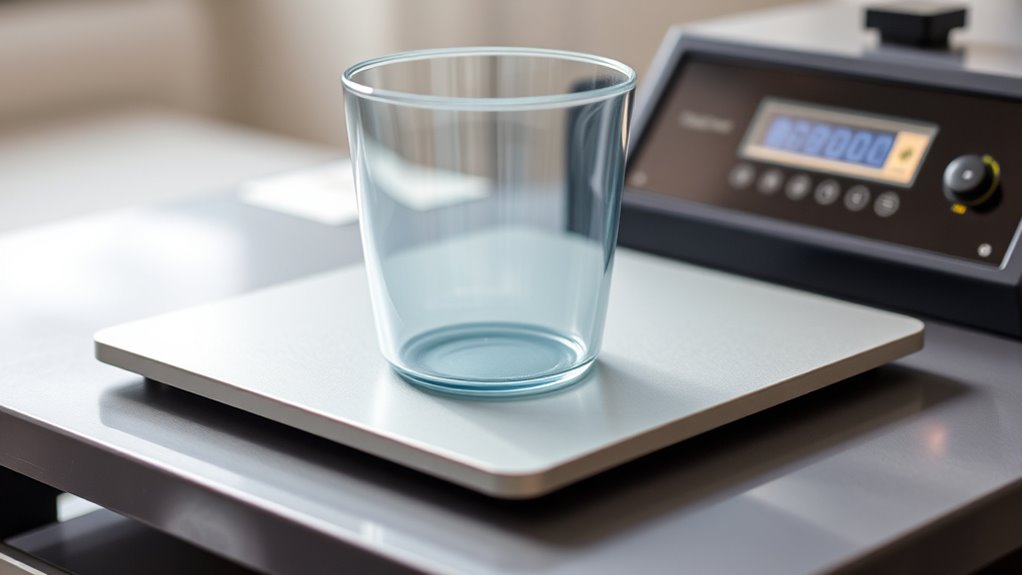
Although heat pressing is a popular method for customizing tumblers, you need to be cautious when using it on plastic ones. Yes, you can safely heat press plastic tumblers, but only if you know the right settings and materials. You’ll want to check the tumbler’s heat tolerance first; many plastics soften or warp under high temperatures.
Using a heat press designed for lower temperatures can help prevent damage. Also, selecting quality heat transfer vinyl made for plastic surfaces improves adhesion and durability. Make sure to apply consistent pressure and time, following manufacturer guidelines.
With the right precautions, you can achieve vibrant, long-lasting designs on plastic tumblers without ruining them. Just be mindful and test on a sample before committing to a full project.
Why Is Heat Pressing Plastic Tumblers Tricky?
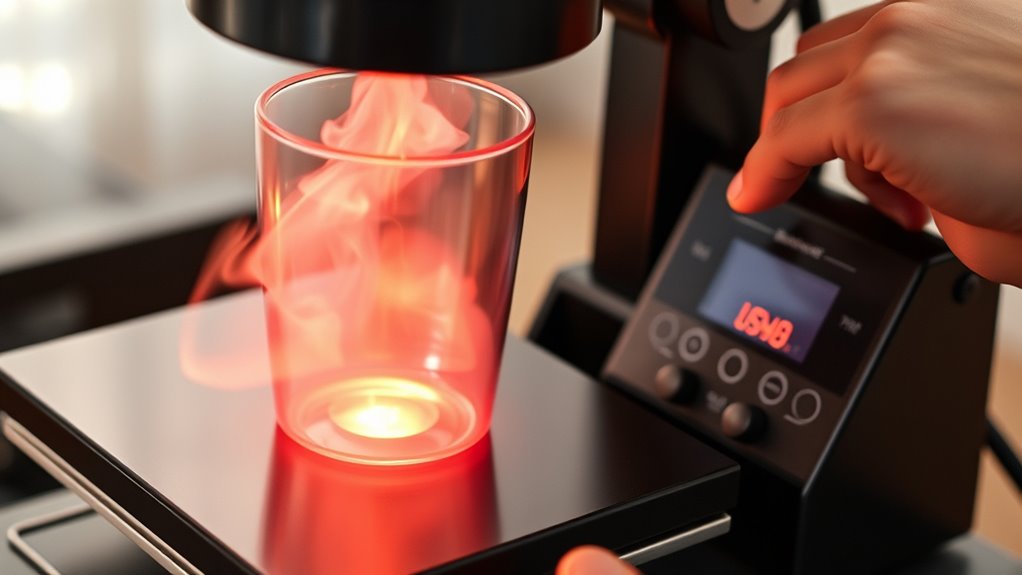
You have to be careful because plastic tumblers react differently to heat depending on their material. If you don’t control the temperature precisely, you risk warping or melting the tumbler.
Understanding these challenges is key to getting a clean, lasting design.
Material Sensitivity Challenges
Why does heat pressing plastic tumblers require such careful attention? It’s because plastic materials vary widely in how they react to heat. If you apply too much heat or pressure, the tumbler can warp, melt, or lose its glossy finish.
Different plastics have different melting points and heat tolerances, so you need to understand the specific type you’re working with. Some plastics might develop bubbles or discoloration if exposed to heat improperly. You also have to take into account the thickness and coating of the tumbler, as these affect how heat transfers during pressing.
Ignoring these sensitivity challenges can ruin your project quickly. Being aware of the material’s limits helps you avoid costly mistakes and achieve a clean, professional result every time.
Temperature Control Importance
Because plastic tumblers respond so differently to heat, controlling the temperature precisely is essential to avoid damaging them. If the heat is too high, the plastic can warp, melt, or lose its finish. Too low, and the design won’t transfer properly, leaving you with a poor result.
You need to understand your tumbler’s material and test your heat press settings carefully before starting. Using a reliable heat press with accurate temperature control helps you maintain consistency. It’s also smart to use a heat-resistant pad or cover sheet to protect the tumbler’s surface.
What Types of Plastic Tumblers Work Best With Heat Pressing?
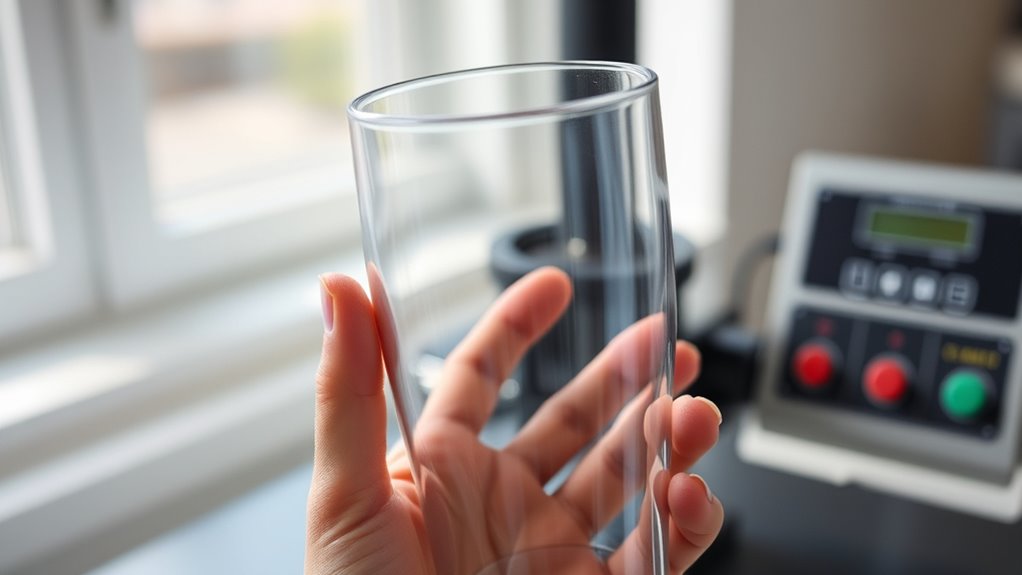
When selecting plastic tumblers for heat pressing, it’s crucial to focus on materials that can withstand high temperatures without warping or melting. You want tumblers made from durable plastics that maintain their shape and surface integrity under heat.
Here’s a quick guide to the best types for heat pressing:
| Plastic Type | Heat Press Suitability |
|---|---|
| Tritan | Excellent; heat-resistant |
| Polycarbonate | Good; heat tolerant |
| Acrylic | Moderate; careful pressing |
| Polypropylene | Poor; melts easily |
| PETG | Moderate; watch temperature |
Choosing Tritan or polycarbonate tumblers ensures your designs transfer well without damaging the cup. Avoid polypropylene, as it can warp quickly.
Acrylic and PETG can work but require precise temperature control to avoid issues.
How Different Plastics React to Heat Pressing
Although different plastics might look similar, they react quite differently under the heat press. When you heat press plastic tumblers, knowing how each type responds helps you avoid melting, warping, or poor adhesion. For example:
- Polypropylene (PP): It can handle moderate heat but tends to warp if pressed too long or too hot.
- Polyethylene Terephthalate (PET): This plastic softens quickly, so you need to be extra cautious with temperature and timing.
- Acrylic: It’s sensitive to heat and can crack or discolor if exposed to high temperatures during pressing.
Understanding these reactions lets you adjust your process accordingly, ensuring your designs come out crisp without damaging your tumblers.
Safe Heat Press Settings for Plastic Tumblers
You’ll want to set your heat press within the ideal temperature range to avoid damaging the tumbler. Keep the press duration short and consistent to guarantee a smooth finish. Also, apply the right pressure level to prevent warping or cracking during the process.
Optimal Temperature Range
How hot should you set your heat press to safely decorate plastic tumblers? The key is to find a temperature that allows the design to transfer without warping or melting the plastic. Generally, you want to stay within a moderate heat range to protect your tumbler.
Here’s a preferable temperature range to keep in mind:
- 320°F to 350°F (160°C to 177°C): Ideal for most plastic tumblers using sublimation or heat transfer vinyl.
- Avoid exceeding 360°F: Higher heat can cause deformation or bubbling.
- Adjust based on material: Some plastics tolerate lower temps better, so test a sample first.
Sticking to this range ensures you get a crisp, vibrant design while keeping your tumbler intact.
Recommended Press Duration
Since heat duration directly affects both the quality of your design and the integrity of the plastic tumbler, you need to carefully regulate how long you apply heat. Generally, a press duration of 30 to 45 seconds works well for most plastic tumblers. Going beyond this range risks warping or melting the plastic, while too short a time may result in poor design transfer.
Always start with the lower end of the time range and increase in small increments if needed. Keep a timer handy to avoid guesswork. Remember, different plastics might require slight adjustments, so test on a sample tumbler first.
Consistent timing ensures sharp, vibrant prints without damaging your tumbler, giving you the best results from your heat press.
Pressure Level Guidelines
Controlling the pressure applied during heat pressing is just as important as timing to safeguard your plastic tumbler from damage. Too much pressure can cause warping or cracking, while too little might result in a poor transfer. You want to find the right balance to ensure a smooth finish without compromising the tumbler’s integrity.
Here are some pressure level guidelines to keep in mind:
- Use medium pressure, enough to hold the transfer securely without bending the tumbler.
- Avoid heavy pressure that can deform thin or delicate plastic.
- Adjust pressure based on the tumbler’s thickness and material — thicker plastics can handle firmer pressure.
How to Prepare Plastic Tumblers Before Heat Pressing
Before you start heat pressing plastic tumblers, you’ll want to make sure they’re clean and dry to guarantee the design adheres properly. Begin by washing the tumbler with warm, soapy water to remove any dust, oils, or residues. Rinse thoroughly and dry it completely using a lint-free cloth or paper towel.
Avoid touching the surface after cleaning to prevent transferring oils from your hands. Next, check the tumbler for any labels or stickers and remove them carefully. If the surface is glossy, lightly scuff it with fine-grit sandpaper to help the heat transfer stick better.
Finally, let the tumbler sit at room temperature before applying heat to prevent warping or uneven adhesion. These steps assure a smooth, lasting finish.
How to Protect Plastic Tumblers During Heat Pressing
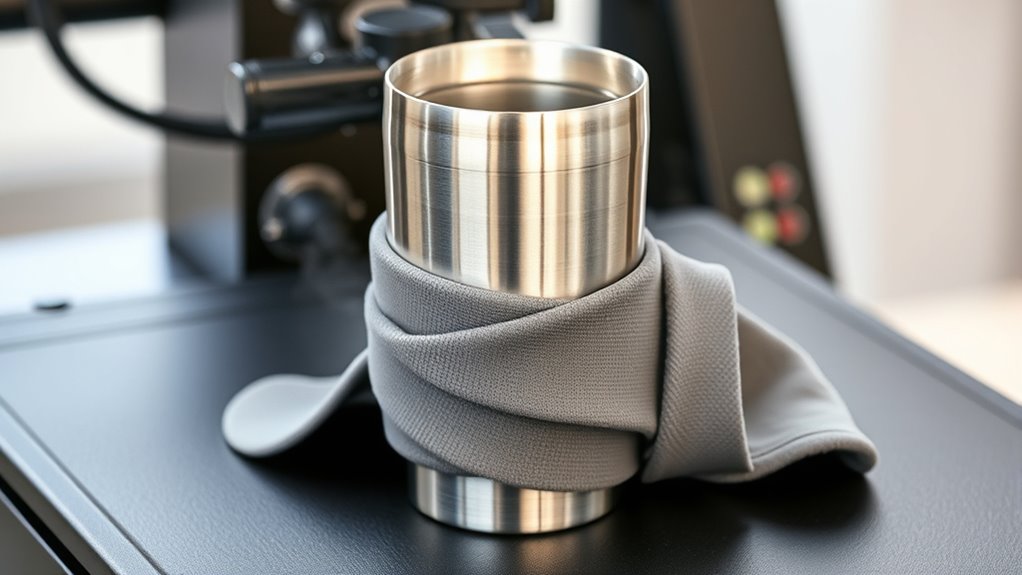
When you heat press plastic tumblers, protecting them from heat damage is essential to preserve their shape and finish. You’ll want to take a few key steps to guarantee your tumblers come out looking great.
First, always use a protective barrier, like parchment paper or a Teflon sheet, between the heat platen and the tumbler to prevent direct contact. Next, control the heat and pressure settings carefully—too much can warp the plastic.
Use a protective barrier and carefully control heat and pressure to prevent plastic tumblers from warping during pressing.
Finally, give your tumbler time to cool gradually after pressing to avoid sudden temperature changes that might cause cracking. Here’s a quick checklist:
- Use a heat-resistant protective sheet
- Set appropriate temperature and pressure
- Allow gradual cooling post-press
Following these tips will help you protect your tumblers during heat pressing.
Common Heat Press Mistakes That Damage Tumblers
You’ll want to avoid setting the temperature too high or too low, as that can ruin your tumbler’s finish. Using materials not designed for heat pressing can also cause damage.
Plus, applying too much pressure might warp or crack the plastic.
Incorrect Temperature Settings
How do incorrect temperature settings affect your plastic tumblers? Setting the heat press too high or too low can cause serious damage. Too much heat melts or warps the tumbler, ruining its shape and finish.
Too little heat results in poor adhesion, causing designs to peel off quickly.
Here’s what happens when you get the temperature wrong:
- Excessive heat: Warps plastic, causing permanent deformation.
- Insufficient heat: Leads to weak transfers, causing designs to lift or fade.
- Uneven temperature: Creates inconsistent results, with some areas damaged and others barely pressed.
To protect your tumblers, double-check your heat press settings before starting. Stick to manufacturer-recommended temperatures and test on a sample tumbler first.
Using the Wrong Materials
Why does choosing the right materials matter so much for heat pressing plastic tumblers? Using incompatible transfer papers, inks, or adhesives can ruin your design and damage the tumbler’s surface. If you pick materials not designed for plastic, the heat press might cause peeling, fading, or warping.
For example, standard vinyl or sublimation papers meant for fabric won’t work well on plastic tumblers. You need materials specifically formulated for plastic to ensure proper adhesion and durability. Also, avoid low-quality or generic supplies that don’t guarantee heat resistance.
When you use the right materials, your design stays vibrant and your tumbler remains intact after pressing. So, always double-check compatibility before starting your project to avoid costly mistakes.
Applying Excessive Pressure
What happens when you press too hard on your plastic tumbler during heat pressing? Excessive pressure can cause serious damage, ruining your design and the tumbler itself. When you apply too much force, you risk:
- Warping or denting the tumbler’s surface
- Distorting or cracking the printed design
- Compromising the tumbler’s structural integrity
You want to guarantee even, moderate pressure that’s just enough to transfer the design without deforming the plastic. Too little pressure won’t give you good adhesion, but too much pressure can lead to permanent damage. Always follow your heat press’s recommended pressure settings for plastic tumblers, and do a test press if you’re unsure.
This way, your tumbler stays flawless, and your design looks professional every time.
Alternative Ways to Customize Plastic Tumblers Without Heat Press
Although heat pressing is a popular method for customizing plastic tumblers, you don’t have to rely on it to create unique designs. You can use permanent vinyl decals, which stick well and come in countless colors and patterns.
Another option is hand-painting with acrylic or enamel paints made for plastics—just remember to let each layer dry fully. You might also try using waterproof markers or paint pens for detailed designs. Adhesive-backed glitter or rhinestones can add a fun, personalized touch without heat.
If you want a more professional look, consider screen printing or using printable waterslide decals, which transfer easily with water. These alternatives let you customize tumblers safely and creatively without risking heat damage.
Tips for Creating Durable Designs on Plastic Tumblers
When you want your plastic tumbler designs to last, focusing on proper surface preparation is key. Clean the tumbler thoroughly to remove oils and dirt that can prevent adhesion. Lightly sanding the surface can help your design stick better.
Choosing the right materials and sealing your design properly also makes a big difference.
Here are three tips to create durable designs on plastic tumblers:
- Use permanent, waterproof inks or vinyl designed for plastic.
- Apply a clear, protective sealant after your design is set.
- Avoid excessive heat or harsh chemicals during cleaning to preserve the design.
Frequently Asked Questions
Can You Use Heat Press on Plastic Tumblers With Lids?
You can use a heat press on plastic tumblers with lids, but you need to remove the lids first. The heat can warp plastic, so use a lower temperature and quick press time to avoid damage.
Make sure to monitor the process closely to prevent overheating. Always follow the manufacturer’s recommendations for temperature settings.
Using a protective sheet between the heat press and the tumbler can also help minimize direct heat exposure.
How Long Does a Heat-Pressed Design Last on a Plastic Tumbler?
Think of your heat-pressed design like a tattoo for your tumbler—it can last years if you treat it right. Usually, it stays vibrant for 1-3 years, depending on care, washing, and sun exposure.
Are There Specific Inks Recommended for Heat Pressing on Plastic Tumblers?
Yes, you should use sublimation or heat transfer vinyl inks made for plastics. These inks bond well under heat without melting the tumbler. Avoid regular inks—they won’t adhere properly or withstand washing.
Can You Heat Press Plastic Tumblers in Bulk for Commercial Use?
You can heat press plastic tumblers in bulk, but you’ll need consistent temperature control and quality materials. While speed matters, don’t compromise precision—balancing both ensures vibrant, durable designs that withstand commercial demands without fading or warping.
What Safety Precautions Should Be Taken When Heat Pressing Plastic Tumblers?
You should wear heat-resistant gloves, guarantee proper ventilation to avoid fumes, use a protective pad to prevent melting.
Set the right temperature and pressure, and never leave the press unattended to keep yourself and tumblers safe.
Conclusion
You might be surprised to learn that over 60% of plastic tumblers can withstand heat pressing when done correctly! While it’s tricky, knowing your tumbler’s material and using the right heat settings can save your design and your cup.
With careful protection and avoiding common mistakes, you’ll create durable, personalized tumblers that last. So, don’t be afraid to experiment—you’ll turn ordinary tumblers into unique, lasting keepsakes in no time!
In conclusion, heat pressing plastic tumblers is possible with the right techniques. Understanding your tumbler’s material and proper heat press settings ensures success. This way, you can enjoy making customized, heat press plastic tumblers that stand the test of time.