Can You Heat Press Polypropylene
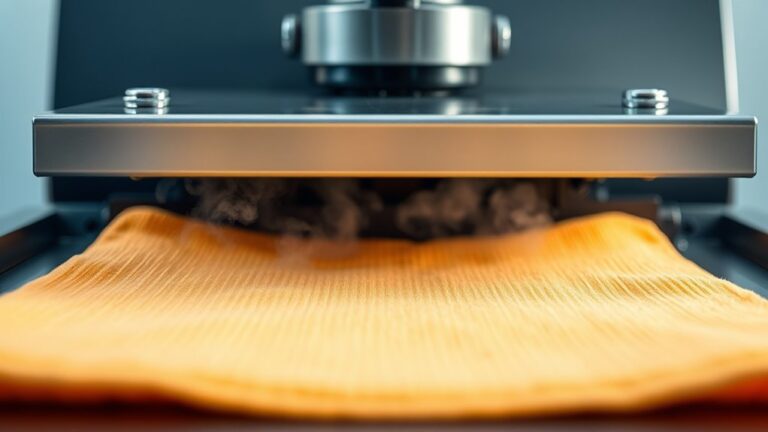
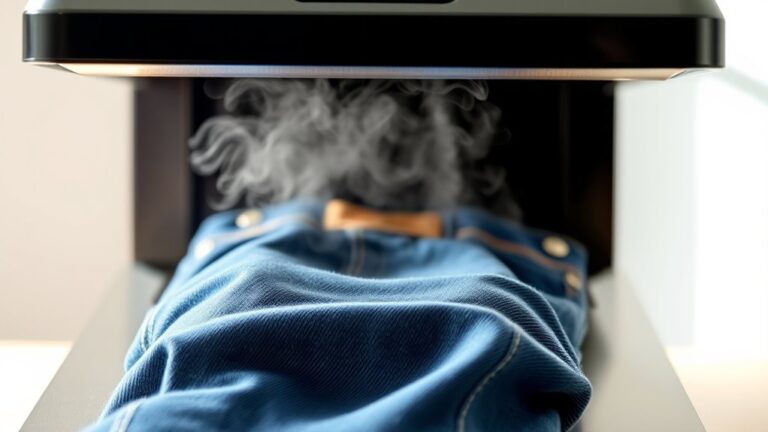
You can heat press polypropylene safely by keeping your temperature below 350°F, ideally around 270°F to 300°F, and limiting your pressing time to 10-15 seconds.
Heat pressing polypropylene requires careful temperature control to avoid melting or warping the material. Using proper settings ensures durability and a clean finish.
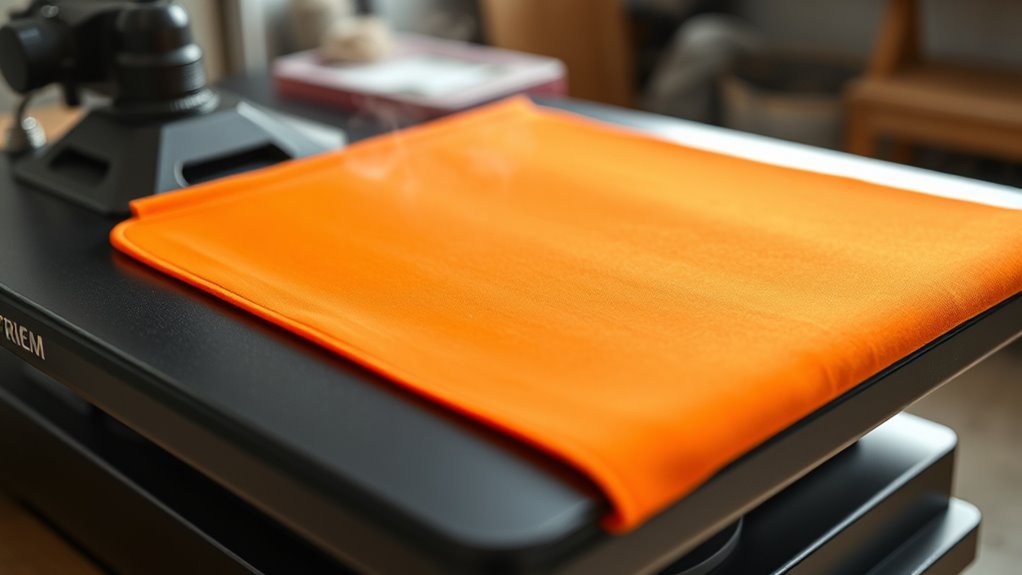
Always use a protective sheet like Teflon or parchment paper to prevent scorching or melting, and work in a well-ventilated space to avoid fumes.
Testing settings on scrap fabric first helps you avoid damage. With some care, you’ll find the right balance for successful pressing and durability.
Key Takeaways
- You can heat press polypropylene but must keep temperatures below 300°F to avoid melting and toxic fumes.
- Blended or tightly woven polypropylene fabrics are preferable for heat pressing due to better heat resistance.
- Use protective sheets like Teflon or parchment paper to prevent scorching and surface damage during pressing.
- Start with 10-15 seconds pressing time and test on scrap fabric to find safe settings without warping or discoloration.
- Ensure good ventilation and avoid prolonged pressing to protect fabric integrity and prevent hazardous fumes exposure.
Is Heat Pressing Polypropylene Safe?
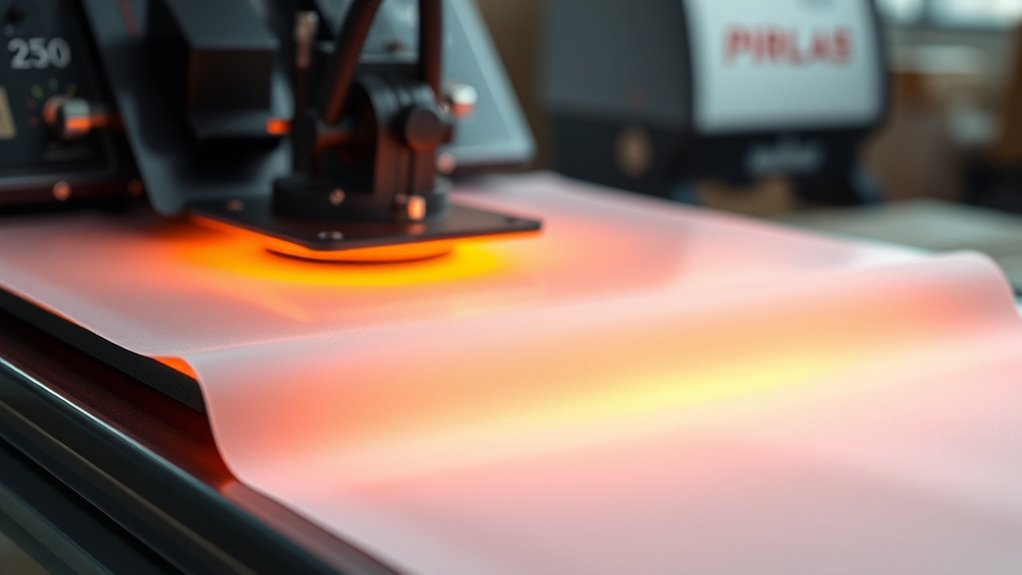
When you heat press polypropylene, safety concerns often come up due to the material’s sensitivity to high temperatures. You need to be cautious because overheating can cause polypropylene to melt or release fumes. To stay safe, always use a temperature setting below 350°F (177°C), as higher heat risks damaging the fabric and creating toxic vapors.
Make sure your workspace is well-ventilated to avoid inhaling any fumes. Also, avoid applying pressure for too long; short, controlled presses reduce the chance of ruining your project. Using a protective sheet between the heat press and the material helps prevent scorching.
Polypropylene Fabric Types Suitable for Heat Pressing
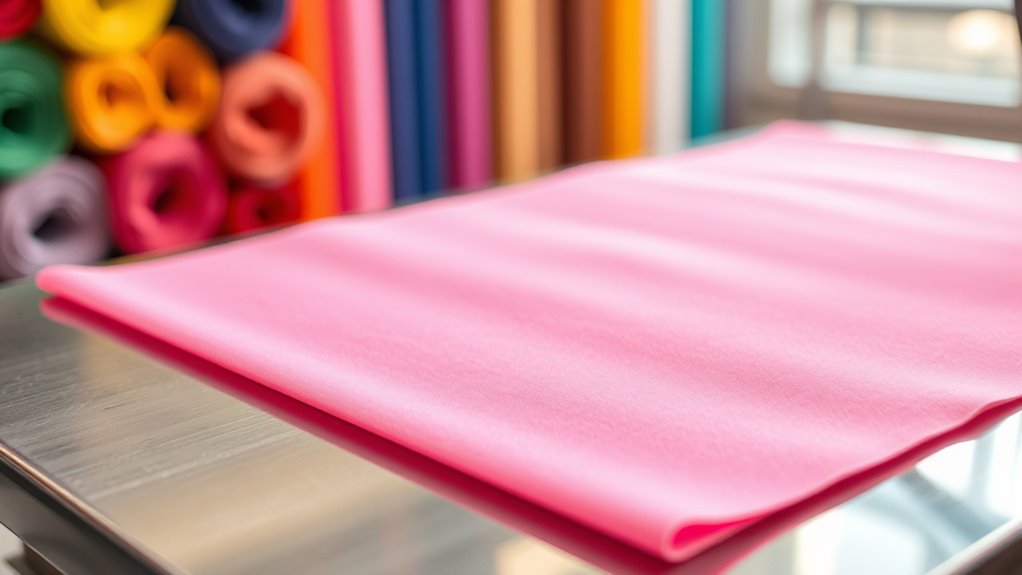
Although polypropylene can be tricky to heat press, certain fabric types handle the process better than others. When choosing polypropylene for heat pressing, look for blends rather than 100% polypropylene fabrics. Blended fabrics, like polypropylene-cotton or polypropylene-polyester mixes, tend to withstand heat more effectively.
These blends reduce the risk of melting or warping since the other fibers provide stability during pressing. Additionally, tightly woven polypropylene fabrics often perform better because they resist deformation under heat and pressure. Avoid loosely knit or very thin polypropylene materials, as they’re more prone to damage.
Safe Heat Press Temperatures for Polypropylene
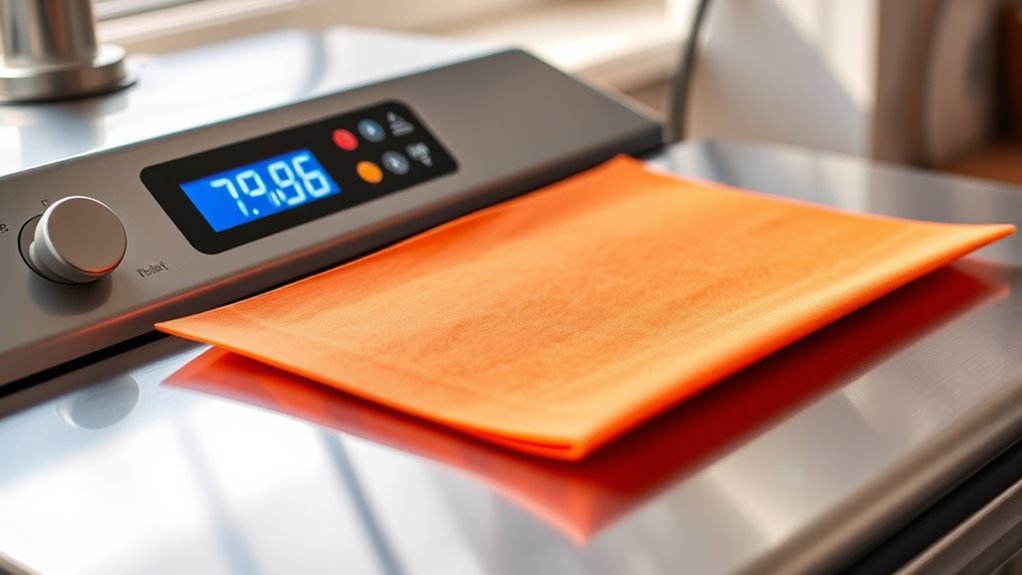
Since polypropylene is sensitive to high heat, you need to carefully control the temperature during heat pressing to prevent melting or warping the fabric. Setting the right temperature guarantees your design adheres well without damaging the material. Here’s how you can manage this:
- Keep the heat press between 270°F and 300°F (132°C to 149°C) to stay within a safe range.
- Avoid exceeding 300°F, as higher temperatures can cause the polypropylene to melt or lose its shape.
- Use a heat press with adjustable temperature controls so you can fine-tune settings for different polypropylene blends.
How Long Should You Heat Press Polypropylene?
You’ll want to press polypropylene for just the right amount of time to guarantee a strong bond without damaging the material. Factors like fabric thickness and heat press settings can affect how long you should apply heat.
Let’s explore the ideal duration and what influences it.
Optimal Heat Press Duration
When heat pressing polypropylene, timing plays a crucial role in achieving a strong, lasting bond without damaging the material. You want to press just long enough to activate the adhesive without causing warping or melting.
Here’s the ideal duration to follow:
- Standard Duration: Aim for 10 to 15 seconds, which is usually enough to achieve a solid bond.
- Quick Test: Start with 10 seconds and check the adhesion; if it’s weak, add 2-3 seconds incrementally.
- Avoid Overpressing: Pressing longer than 20 seconds risks damaging the polypropylene’s structure and surface.
Factors Affecting Press Time
Although the recommended heat press duration provides a solid starting point, several factors can influence how long you should actually press polypropylene. The thickness of your fabric plays a big role—thicker materials need slightly longer pressing to guarantee proper heat transfer. The type of heat transfer vinyl or ink you’re using also matters; some require more time to fully adhere.
Your heat press machine’s temperature consistency is essential; fluctuations might force you to adjust press time. Ambient conditions like humidity and room temperature can subtly impact results, too. Finally, your specific project goals—whether you want maximum durability or just a quick bond—will affect how long you press.
Always test on a small piece first to find the ideal press time for your unique setup.
Best Heat Press Settings for Polypropylene
Since polypropylene is sensitive to high temperatures, choosing the right heat press settings is essential to avoid melting or warping the material. You want to balance heat, pressure, and time carefully to get the best results without damaging your project.
Proper heat press settings are crucial to prevent melting or warping polypropylene during transfers.
Here are the best heat press settings for polypropylene:
- Temperature: Set your press between 280°F and 300°F. This range is hot enough for adhesion but gentle enough to protect the fabric.
- Pressure: Use medium pressure to ensure the transfer sticks without crushing the fibers.
- Time: Press for 10 to 15 seconds. Longer can cause distortion, while shorter may result in poor adhesion.
Stick to these settings to keep your polypropylene looking great and your designs intact.
Preparing Polypropylene Fabric for Heat Pressing
Before you start heat pressing polypropylene, you need to prepare the fabric properly to guarantee a smooth transfer and prevent damage. Begin by washing the fabric without fabric softeners, as they can leave residues that interfere with heat transfer. Make sure the fabric is completely dry before pressing.
Next, pre-press the polypropylene for 5 to 10 seconds to remove wrinkles and moisture. This step ensures the surface is flat and ready for the design. Use a Teflon sheet or parchment paper between the heat press platen and fabric to protect the material from direct heat.
Finally, position your design carefully, securing it with heat-resistant tape if necessary, to avoid shifting during pressing. Proper preparation assures you up for a successful, lasting heat press on polypropylene.
What Are the Risks of Overheating Polypropylene?
After preparing your polypropylene fabric carefully, you need to control the heat during pressing to avoid damaging the material. Overheating polypropylene can cause serious issues that ruin your project. Here are the main risks to watch for:
- Melting and warping: Polypropylene has a low melting point. Excessive heat can cause it to melt, warp, or lose its shape, making your fabric unusable.
- Discoloration: Too much heat can lead to yellowing or dark spots, ruining the clean look of your fabric.
- Loss of strength: Overheating weakens the fibers, reducing durability and making your finished product prone to tears.
Can You Use HTV on Polypropylene Heat Pressing?
Although polypropylene presents some challenges with heat, you can still use heat transfer vinyl (HTV) on it if you choose the right type and follow specific pressing guidelines. Look for HTV designed for low-temperature application or specifically labeled as safe for polypropylene. These vinyls require lower heat settings, reducing the risk of damage to your polypropylene material.
Use a heat press with precise temperature control and set it between 275°F and 300°F, pressing for a shorter time—usually around 5 to 10 seconds. Always test a small piece first to ensure proper adhesion without warping or melting.
Avoiding Warping and Melting When Heat Pressing
Since polypropylene is sensitive to heat, you’ll need to carefully manage your heat press settings to avoid warping or melting the material. Follow these key steps to protect your project:
- Lower the Temperature: Set your heat press to a temperature below 300°F (149°C). Higher heat can easily cause polypropylene to deform or melt.
- Reduce Pressing Time: Limit the pressing time to 5-10 seconds. Overexposure to heat increases the risk of damage.
- Use a Protective Sheet: Place a Teflon sheet or parchment paper between the heat press and polypropylene. This barrier prevents direct contact and uneven heat distribution.
How to Test Heat Press Settings Safely on Polypropylene
When you’re working with polypropylene, testing your heat press settings carefully helps prevent costly mistakes. Start by setting your press to a low temperature, around 270°F (132°C), and a short time of 10 seconds. Use a scrap piece of polypropylene to test, so you don’t ruin your final product.
Place a protective sheet, like Teflon or parchment paper, between the heat plate and the material to avoid direct contact. After pressing, let the test piece cool completely before checking for any warping, melting, or discoloration. If you see damage, lower the temperature or reduce the pressing time.
Gradually adjust settings in small increments until you find the most suitable combination that applies your design without harming the polypropylene.
Frequently Asked Questions
Can Heat Pressing Polypropylene Affect Its Color or Texture?
Yes, heat pressing polypropylene can change its color or texture if the temperature’s too high or the press time’s too long. You should use lower heat settings and test first to avoid warping or discoloration.
What Types of Adhesives Work Best With Polypropylene Heat Pressing?
You’ll want to use hot melt adhesives or specially formulated polypropylene glues—they stick like glue to your project. Regular adhesives won’t hold well, so choosing the right one guarantees your design stays flawless under heat pressing.
How Durable Are Heat-Pressed Designs on Polypropylene After Washing?
Your heat-pressed designs on polypropylene can last through many washes if you use the right adhesive and press settings. Just avoid high heat in the wash and turn garments inside out to keep designs vibrant and intact.
Proper care is essential to maintaining the look and durability of your designs. Always follow the recommended washing instructions for the specific materials you use. This will help ensure your designs stay fresh and durable for a long time.
Are There Eco-Friendly Alternatives to Heat Pressing Polypropylene?
Yes, you can use eco-friendly alternatives like water-based inks or biodegradable vinyl for heat pressing. These options reduce environmental impact while still giving you durable, vibrant results on polypropylene materials.
Can Heat Pressing Polypropylene Be Done on Curved or Uneven Surfaces?
Think of heat pressing on curved surfaces like painting on a rolling hill—it’s tricky but doable. You’ll need flexible pads or molds to apply even pressure; otherwise, the design might not stick properly on uneven polypropylene.
Conclusion
If you want to heat press polypropylene without turning it into a melted mess, you’ve got to treat it like a delicate dance—gentle heat, just the right time, and the perfect settings. Stick to safe temperatures and test carefully, or you might end up with a warped disaster instead of a smooth finish.
Remember, mastering heat pressing polypropylene is all about patience and precision—your fabric will thank you with a flawless result every time. When heat pressing polypropylene, always prioritize controlled temperature and timing to avoid damage. Proper technique ensures the best outcome when you heat press polypropylene.