Can You Heat Press Vinyl on Fleece
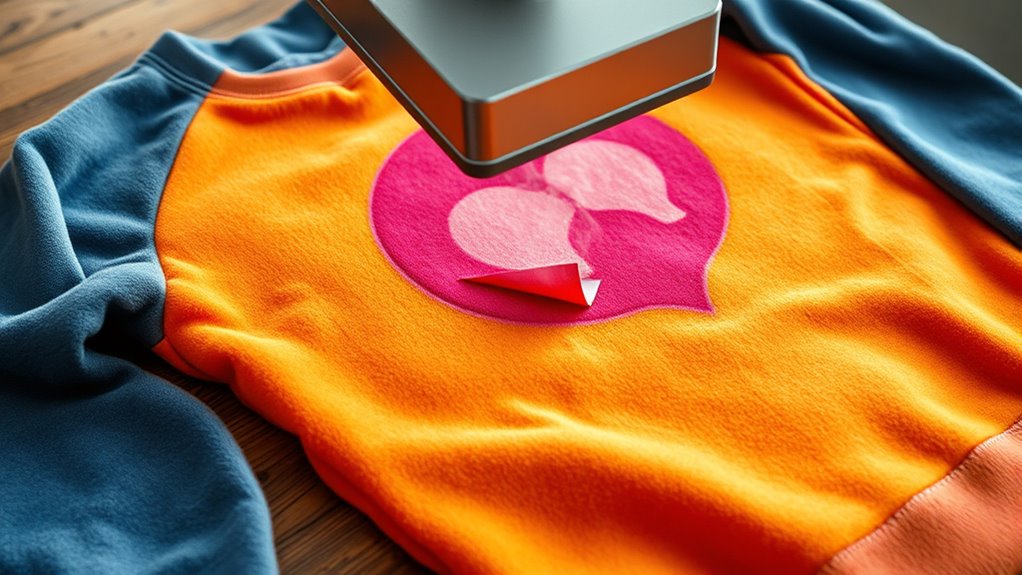
Yes, you can heat press vinyl on fleece effectively by choosing durable, stretch-friendly vinyl like PU or flocked types that bond well with the fabric’s texture.
Heat pressing vinyl on fleece requires special care to ensure the design adheres properly without damaging the soft, thick material. Selecting the right vinyl is crucial for successful application and long-lasting results.
Make sure to clean and pre-press the fleece gently, using a lint roller for smoothness.
Use lower heat settings (around 275°–305°F), apply moderate pressure, and keep the press time short to avoid harming the fabric.
Protect the fleece with a Teflon sheet during pressing to prevent scorching.
Handle the garment carefully after heat pressing to maintain the design’s integrity.
Keep following to discover tips for perfect results and lasting adhesion.
Key Takeaways
- Yes, you can heat press vinyl on fleece using compatible vinyl types like polyurethane (PU) or stretch HTV designed for soft fabrics.
- Use lower heat settings (275°F–305°F) and short pressing times (10–15 seconds) to avoid damaging fleece fibers.
- Preheat and prepare fleece by cleaning and flattening to improve vinyl adhesion and prevent peeling or bubbling.
- Always use a protective sheet such as Teflon or parchment paper between the vinyl and heat press for fabric safety.
- Allow the fleece to cool completely before handling and follow gentle washing care to maintain vinyl durability.
Can You Heat Press Vinyl on Fleece Safely?
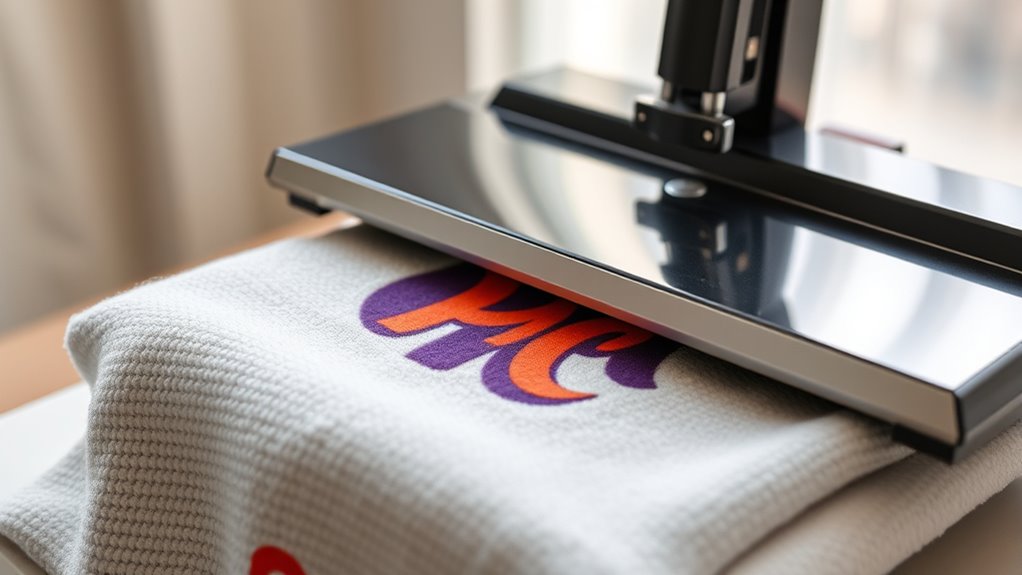
Although fleece is a delicate fabric, you can safely heat press vinyl on it if you use the right techniques and settings. Start by selecting a lower heat setting—usually around 275°F to 300°F—to avoid damaging the fleece fibers. Use a protective sheet, like a Teflon or parchment paper, between the heat press and the vinyl to prevent scorching.
Keep the pressing time short, typically 10 to 15 seconds, and apply moderate pressure to guarantee the vinyl adheres without crushing the fabric. Always test on a small scrap piece first to fine-tune your settings. With careful preparation and attention to detail, you’ll achieve a clean, durable design without ruining your cozy fleece garment.
Best Vinyl Types for Heat Pressing on Fleece
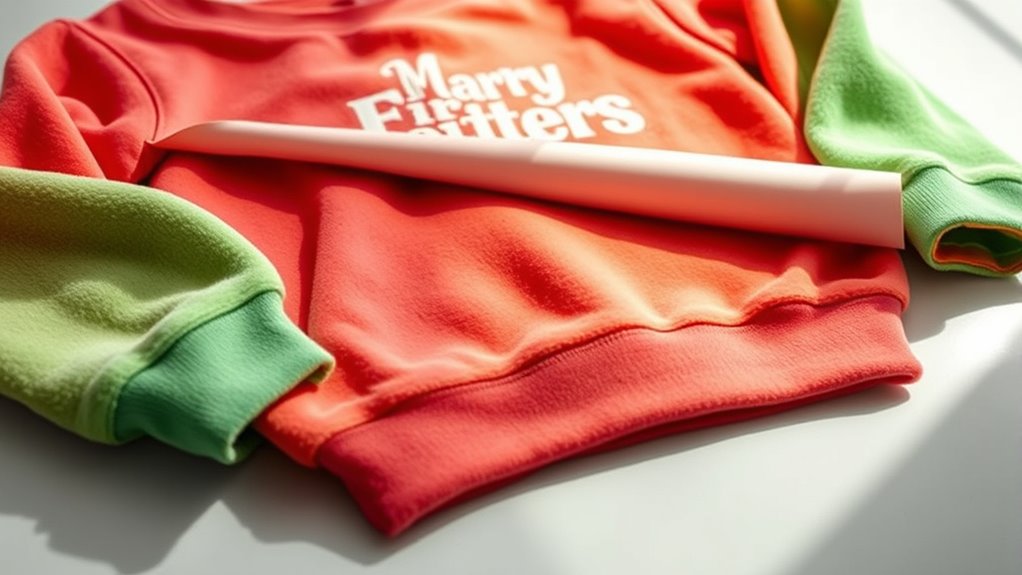
When choosing vinyl for fleece, you want materials that can handle heat without losing durability. Flexibility is key to keeping the design comfortable and preventing cracking.
Let’s explore the best vinyl types that balance strength and stretch for heat pressing on fleece.
Durable Vinyl Materials
Since fleece has a thick, textured surface, you’ll need vinyl materials that offer strong adhesion and flexibility to guarantee your design lasts. Look for durable options like polyurethane (PU) vinyl and premium heat transfer vinyl (HTV) designed specifically for textured fabrics. These materials bond well with fleece fibers, resisting peeling and cracking over time.
High-quality vinyl with a strong adhesive layer ensures your design withstands regular washing and wear. Avoid cheap or thin vinyl, as it tends to lift or fade quickly on fleece. Durable vinyl also maintains its vibrant color and finish despite the fabric’s softness and stretch.
Vinyl Flexibility Options
Choosing durable vinyl is just the start; you also need to take into account flexibility to guarantee your design moves comfortably with the fleece fabric. Fleece stretches and bends, so rigid vinyl can crack or peel over time.
Look for stretch or stretchable heat transfer vinyl (HTV) options, like polyurethane (PU) or thermoplastic elastomer (TPE) vinyls. These materials bend and recover without damage, making them ideal for fleece. Avoid standard PVC vinyl, which tends to be less flexible.
You can also explore flocked vinyl for a soft, textured feel that complements fleece’s cozy nature. When selecting vinyl, check the product specs for stretch percentage and wash durability. Prioritize flexible vinyl to keep your design intact and comfortable through wear and washing.
Preparing and Positioning Fleece for Heat Pressing Vinyl
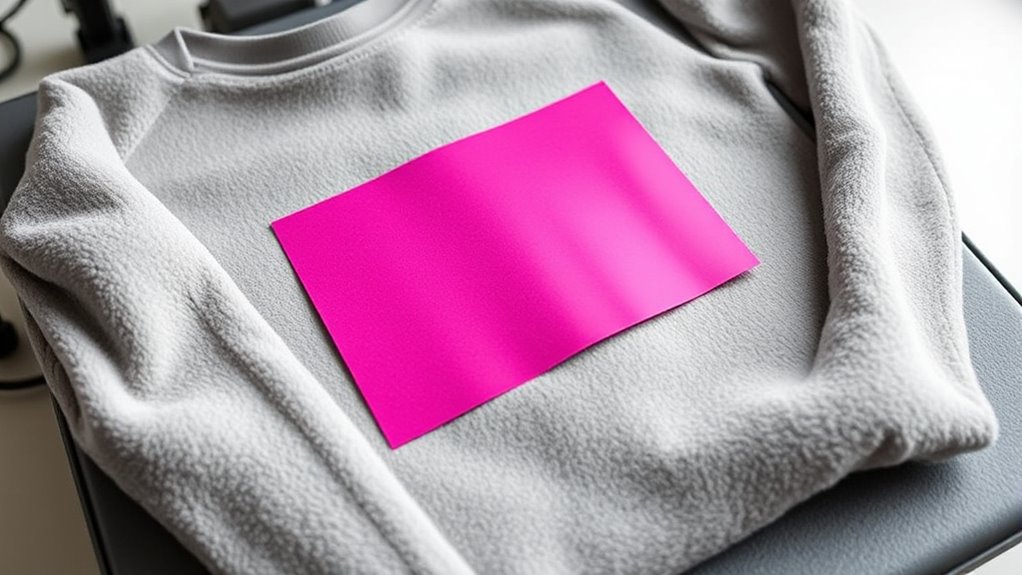
Before you start heat pressing, make sure your fleece is clean and completely flat to avoid any wrinkles. Take time to align the vinyl precisely where you want it, so your design looks sharp.
Proper preparation helps achieve a smooth, professional finish every time.
Cleaning And Flattening Fleece
How do you make certain your fleece is ready for heat pressing vinyl? Start by giving it a thorough cleaning. Remove lint, dust, and any loose fibers that could interfere with adhesion.
Use a lint roller or tape to pick up stray threads. Next, flatten your fleece on a heat-resistant surface. Gently press with your hands or a warm iron (no steam) to smooth wrinkles.
This ensures even heat distribution and a crisp vinyl application.
| Step | Why It Matters |
|---|---|
| Clean fleece | Prevents bumps and bubbles |
| Remove lint | Ensures smooth surface |
| Flatten fabric | Avoids uneven pressing |
| Pre-press gently | Stabilizes fleece fibers |
Taking these steps sets you up for a flawless heat press result.
Aligning Vinyl For Pressing
Once you’ve cleaned and flattened your fleece, you’re ready to align the vinyl precisely where you want it. Lay your fleece on a flat surface or directly on the heat press platen. Use heat-resistant tape to secure the vinyl in place, ensuring it won’t shift during pressing.
Pay close attention to the design’s orientation—double-check it’s straight and centered. If your design has multiple pieces, arrange them carefully with consistent spacing. You can use a ruler or alignment tool to help position the vinyl accurately.
Optimal Heat Press Settings for Vinyl on Fleece
When you heat press vinyl on fleece, choosing the right temperature, pressure, and time is crucial to achieve a smooth, durable finish without damaging the fabric. Set your heat press to about 305°F (150°C) to avoid melting fleece fibers. Use medium pressure—firm enough to bond the vinyl, but gentle enough to keep the fleece’s texture intact.
Press for 10 to 15 seconds; this timeframe ensures the vinyl adheres well without scorching. Always use a Teflon sheet or parchment paper between the vinyl and heat plate to protect both materials. Avoid pressing too long or at too high a temperature, as fleece can easily burn or distort.
Following these settings helps you get crisp, lasting designs on your cozy fleece garments.
Preventing Vinyl Peeling on Fleece
Although applying vinyl to fleece can produce great results, preventing peeling can be challenging if you don’t take the right steps. First, always preheat your fleece to remove moisture and wrinkles, ensuring better vinyl adhesion. Use a heat press with firm, even pressure—too little won’t bond properly, and too much can damage the fabric.
Choose a vinyl type designed for stretch and soft fabrics, like stretch or flock vinyl, to reduce cracking and peeling. After pressing, avoid moving the garment immediately; let it cool before handling. Finally, wash fleece garments inside out on gentle cycles with mild detergent to preserve the vinyl’s bond.
Following these steps will help you achieve durable, long-lasting heat press designs on fleece.
Troubleshooting Heat Pressing Issues on Fleece
If you encounter issues like bubbling, peeling, or uneven adhesion when heat pressing vinyl on fleece, it usually means something went wrong during the process. First, check your temperature and pressure settings—too much heat can scorch fleece, while too little won’t activate the adhesive fully. Make sure the vinyl and fleece are compatible; some vinyl types don’t bond well with fleece fibers.
Also, confirm your pressing time is accurate; pressing too briefly or too long can cause problems. Use a Teflon sheet or parchment paper to protect the fabric and distribute heat evenly. If bubbling occurs, try applying firm, even pressure and allow the material to cool completely before peeling the carrier sheet.
Adjusting these factors should solve most heat pressing issues on fleece.
Caring for Fleece With Heat Pressed Vinyl
To keep your fleece looking great and protect the heat pressed vinyl, you’ll want to follow specific care instructions. Washing fleece inside out on a gentle cycle helps preserve the vinyl design. Avoid high heat when drying, as it can damage both fabric and vinyl.
Ironing should be done carefully or avoided directly on the vinyl.
| Care Step | Recommendation |
|---|---|
| Washing | Cold water, gentle cycle |
| Detergent | Mild, no bleach |
| Drying | Low heat or air dry |
| Ironing | Use cloth barrier, low heat |
| Storage | Folded, avoid heavy pressure |
Following these steps ensures your fleece stays soft and your vinyl stays vibrant longer.
Tips to Protect Your Fleece During Heat Pressing
Caring for your fleece after applying heat pressed vinyl is important, but protecting it during the pressing process makes a big difference in the final result. First, always use a Teflon sheet or parchment paper between the heat press and your fleece to prevent direct contact and avoid scorching. Set your heat press to the recommended temperature and time—too much heat can damage the fabric or vinyl.
Avoid pressing over seams or bulky areas, as this can cause uneven pressure or creases. Preheat your fleece briefly to remove moisture, which helps the vinyl adhere better. Finally, handle your fleece carefully when removing it from the press to maintain the vinyl’s integrity and prevent puckering.
Following these tips guarantees a smooth, professional finish every time.
Frequently Asked Questions
Can I Use a Regular Iron Instead of a Heat Press on Fleece?
You can use a regular iron on fleece, but it’s trickier than a heat press. You’ll need to apply firm, even pressure and avoid overheating to prevent damage. Use a pressing cloth for best results.
How Long Does Heat Pressed Vinyl on Fleece Typically Last?
You’ll be thrilled to know heat pressed vinyl on fleece typically lasts several washes—usually 20 to 30—before peeling or cracking.
Is It Safe to Wash Fleece With Heat Pressed Vinyl in Hot Water?
You shouldn’t wash fleece with heat pressed vinyl in hot water because it can damage the vinyl’s adhesive and cause peeling. Instead, use cold or warm water and turn the garment inside out to protect the design longer.
Can Heat Pressing Vinyl Damage the Fleece Fabric Texture?
Yes, heat pressing vinyl can damage fleece texture if you use too much heat or press too long.
To avoid this, use lower temperature settings and a protective sheet, so your fleece stays soft and intact.
Are There Eco-Friendly Vinyl Options Suitable for Fleece?
Imagine you choose Eco-Flex vinyl, a popular eco-friendly option. You’ll find it’s perfect for fleece, made from biodegradable materials, and uses water-based adhesives.
You’ll enjoy sustainable, durable designs without harming the environment or your fabric.
Conclusion
You can confidently craft cozy creations by heat pressing vinyl on fleece. Choosing the right vinyl, preparing your plush fabric properly, and pressing with perfect pressure prevents peeling and preserves your piece.
Remember to regulate the heat and handle your fleece with care to keep it soft and stylish. By following these focused, foolproof steps, you’ll fashion fabulous fleece finishes that feel fantastic and last long.
This approach ensures your creative concepts turn into colorful, comfy clothing consistently. Heat pressing vinyl on fleece is a reliable method to achieve durable and vibrant designs on your cozy garments.