Can You Heat Press Nylon Jackets
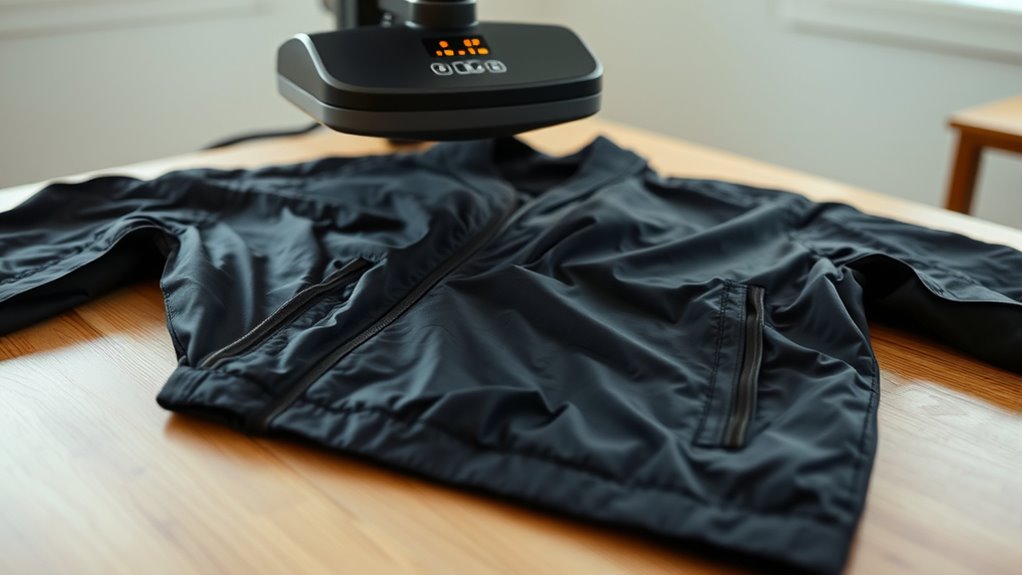
You can heat press nylon jackets safely, but it requires careful attention to temperature, pressure, and protective layers. Heat pressing nylon jackets involves managing these factors to avoid melting or damaging the delicate fabric. Always test on a hidden spot first to ensure the settings are safe for your specific jacket.
Use a temperature between 270°F and 300°F with medium pressure and a short press time. This helps prevent puckering or scorching during the heat press process.
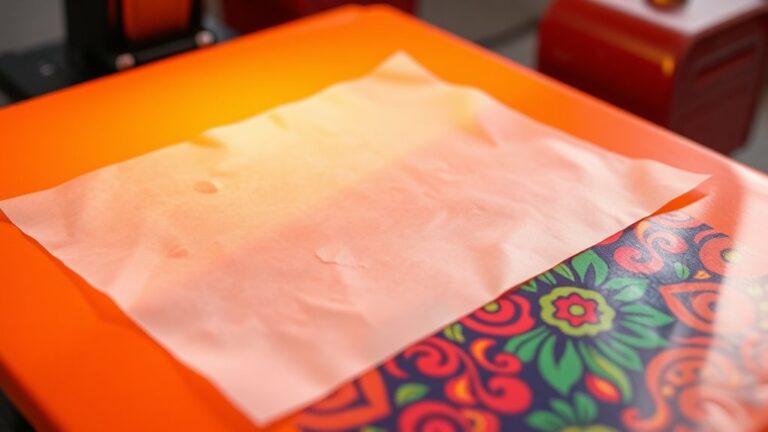
A Teflon sheet is highly recommended to protect the jacket surface from direct heat.
To achieve the best results and avoid common mistakes, there are additional considerations to keep in mind. Proper preparation and technique will ensure your nylon jacket looks great after heat pressing.
Key Takeaways
- Nylon jackets can be heat pressed but require careful temperature control below 320°F to avoid melting or damage.
- Always test on a hidden area first, applying heat for about 10 seconds to check fabric reaction.
- Use medium pressure and protective sheets like Teflon to prevent scorching and fabric distortion.
- Optimal pressing settings are 270°F–300°F for 10–15 seconds, adjusting based on jacket and transfer specifics.
- Avoid overheating, excessive pressure, and skip protective layers to prevent warping, puckering, or discoloration.
Can You Heat Press Nylon Jackets Safely?
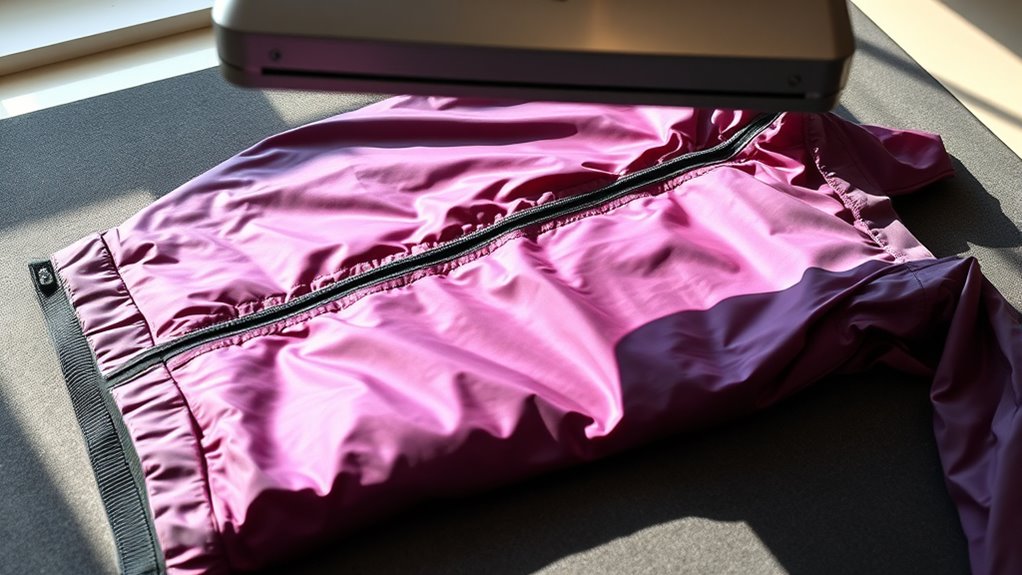
Although nylon jackets can be tricky to heat press, you can do it safely by controlling the temperature and using the right materials. First, set your heat press to a lower temperature—typically between 250°F and 275°F—to avoid melting the fabric. Always use a protective sheet like Teflon or parchment paper between the heat press and the jacket to prevent direct contact.
You’ll also want to apply light to medium pressure and keep the pressing time short, usually around 10 to 15 seconds. Before you start, test on a small, inconspicuous area to guarantee the heat settings won’t damage the jacket. By following these steps, you can confidently add your designs without ruining your nylon jacket.
Why Is Heat Pressing Nylon Jackets Tricky?
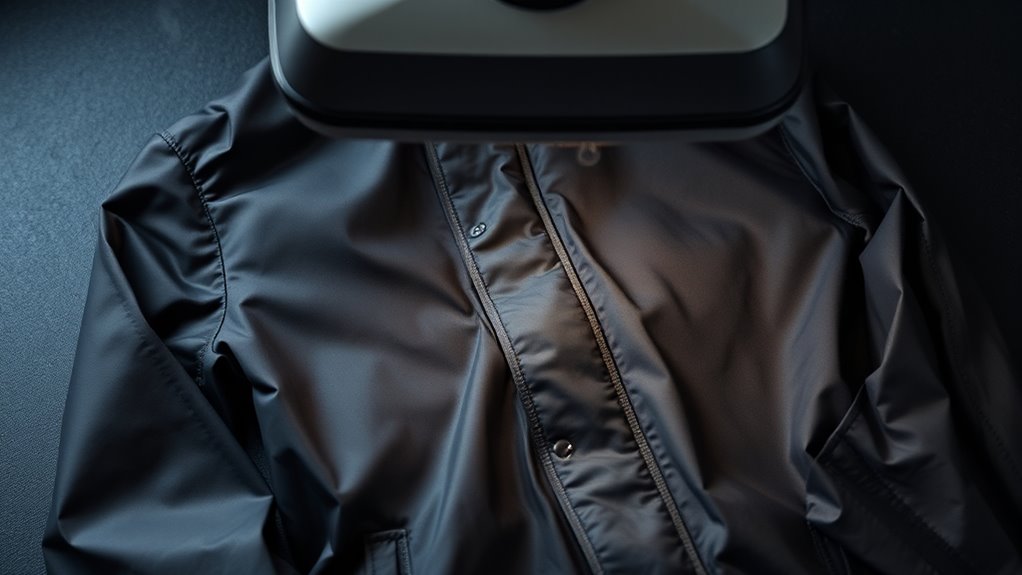
Heat pressing nylon jackets can be tricky because nylon is highly heat sensitive and can easily melt if temperatures get too high. You also need to take into account that not all adhesives work well with nylon, which can affect the quality of your press.
Understanding these risks helps you avoid damaging the jacket during the process.
Nylon’s Heat Sensitivity
Because nylon melts at relatively low temperatures, you have to be extra careful when using a heat press on nylon jackets. This fabric reacts quickly to heat, making it easy to damage if you’re not cautious. When you heat press nylon, consider these key points:
- Nylon is sensitive to direct, high heat, which can cause warping or discoloration.
- It doesn’t tolerate prolonged heat exposure, so keep pressing times short.
- The fabric’s smooth surface can affect how well heat transfers, sometimes requiring adjustments.
Material Melting Risks
Nylon’s sensitivity to heat means you have to watch out for its low melting point when using a heat press. Unlike cotton or polyester, nylon can begin to melt at temperatures as low as 320°F (160°C). If you apply too much heat or leave the press on too long, you risk warping or melting the fabric, ruining your jacket.
You might notice glossy spots, puckering, or even holes from overheating. Since nylon is a synthetic fiber, it doesn’t handle direct heat as well as natural fibers do. To prevent damage, you’ll need to use a lower temperature setting and test on a small area first.
Being cautious prevents costly mistakes and ensures your nylon jacket stays intact during heat pressing.
Adhesive Compatibility Issues
Although you can carefully control temperature, the adhesive you choose plays a crucial role when heat pressing nylon jackets. Not all adhesives bond well with nylon, and some can cause damage or fail to stick properly. You need to contemplate these key points:
- Heat sensitivity: Some adhesives soften or melt at temperatures close to nylon’s melting point, risking a poor bond or fabric damage.
- Chemical compatibility: Certain adhesives may react negatively with nylon, causing discoloration or weakening the fabric.
- Flexibility and durability: Nylon jackets often flex and stretch, so the adhesive must remain flexible to avoid cracking or peeling over time.
Choosing the right adhesive ensures a strong, lasting bond without harming your jacket’s material or appearance. Always test adhesives on a small, hidden area first.
Best Temperature Settings for Heat Pressing Nylon Jackets
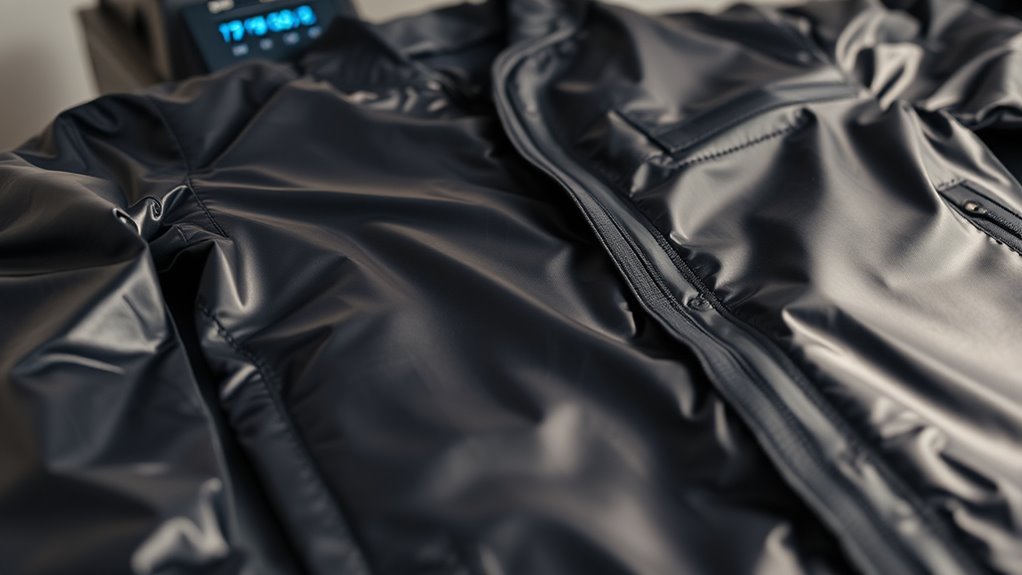
When heat pressing nylon jackets, you need to use lower temperatures than you would for cotton or polyester to prevent melting or damage. Typically, setting your press between 270°F and 300°F works best. Press times should be shorter, around 10-15 seconds, to avoid overheating.
Pressure should be medium to ensure good adhesion without crushing the fabric. Here’s a quick guide:
| Material Type | Temperature (°F) | Press Time (Seconds) |
|---|---|---|
| Lightweight Nylon | 270-280 | 10-12 |
| Medium Nylon | 280-290 | 12-15 |
| Heavy Nylon | 290-300 | 15 |
| Nylon with Lining | 270-280 | 10-12 |
Adhere to these settings to keep your nylon jackets safe and your transfers flawless.
How to Prepare Nylon Jackets Before Heat Pressing
Getting your heat press settings right is only part of the process; preparing your nylon jackets properly guarantees the best results and prevents damage. Before you start, make certain to:
Proper preparation of nylon jackets is essential for optimal heat press results and to avoid damage.
- Clean the jacket’s surface to remove any dirt, dust, or oils that could interfere with adhesion.
- Lay the jacket flat on a heat-resistant surface, smoothing out wrinkles and folds to avoid uneven pressing.
- Use a protective sheet, like Teflon or parchment paper, between the heat press and the jacket to shield the fabric from direct heat and prevent scorching.
Taking these steps ensures your nylon jacket is ready to handle the heat press without issues, resulting in a clean, professional finish every time.
Proper prep is key to preserving the jacket’s quality and the design’s longevity.
Which Heat Transfer Materials Work Best on Nylon Jackets
Since nylon is a sensitive fabric that reacts differently to heat and adhesives, choosing the right heat transfer material is essential for achieving durable and vibrant results. You’ll want to use heat transfer vinyl (HTV) specifically designed for delicate fabrics or polyester blends, as it offers flexibility and strong adhesion without damaging the nylon.
Printable heat transfer films with low-temperature settings also work well, allowing you to customize designs while protecting the jacket. Avoid standard HTV or heavy plastisol transfers, which can cause melting or peeling. Additionally, silicone-based or polyurethane materials provide excellent stretch and durability, making them ideal for nylon jackets.
How to Protect Nylon Jackets During Heat Pressing
To protect your nylon jacket during heat pressing, always use a protective barrier sheet to shield the fabric from direct heat. Adjust your press’s temperature settings to suit nylon’s sensitivity and prevent damage.
Before the full press, test on a small fabric area to guarantee the settings work safely.
Use Protective Barrier Sheets
Although nylon jackets are delicate when exposed to heat, you can protect them effectively by using protective barrier sheets during heat pressing. These sheets act as a shield between the heat press and your jacket, preventing direct contact that can cause melting or discoloration. When you use barrier sheets, you reduce the risk of scorching or damaging the fabric.
Here’s how to use them properly:
- Place a silicone or Teflon sheet over the jacket area you’ll press.
- Ensure the barrier covers the entire design space to avoid uneven heat exposure.
- Replace the sheet if it becomes worn or stained to maintain maximum protection.
Using barrier sheets lets you confidently heat press your nylon jacket while keeping it safe from heat damage.
Adjust Temperature Settings
When you adjust the temperature settings carefully, you can prevent heat damage to your nylon jacket during pressing. Nylon is sensitive to high heat, so keep your heat press at a lower temperature, typically between 270°F to 300°F (130°C to 150°C). Avoid exceeding this range to prevent melting or warping the fabric.
Use the heat press’s temperature control to dial in the exact setting, and consider reducing pressing time to minimize exposure. Remember, every nylon jacket may react differently, so err on the side of caution by starting at the lower end of the temperature scale.
Test Small Fabric Area
Since nylon reacts differently depending on its finish and thickness, you should always test a small fabric area before applying full heat pressure. This step helps you avoid damaging the entire jacket and guarantees the heat press settings are safe. To do this effectively, follow these tips:
- Choose a discreet spot, like inside the hem or under a sleeve, to test.
- Apply the heat press for a short duration with your intended temperature and pressure.
- Inspect the area for any melting, discoloration, or texture changes.
If the test area shows no damage, proceed with confidence on the full jacket. If you notice any issues, lower the temperature or pressure and test again until you find a safe setting. This careful approach protects your nylon jacket from irreversible harm.
Recommended Time and Pressure Settings for Nylon Jackets
To achieve the best results when heat pressing nylon jackets, you’ll need to carefully control both time and pressure settings. Set your heat press temperature between 270°F and 300°F to avoid damaging the fabric. Apply medium pressure—too much can crush the nylon fibers, while too little might cause poor adhesion.
Aim for a pressing time of 10 to 15 seconds; this duration is typically enough to bond the transfer without overheating. Always use a protective sheet, like Teflon or parchment paper, to shield the jacket’s surface. Adjust these settings slightly based on your specific jacket and transfer type, but sticking close to these guidelines will help you get a clean, durable finish without compromising the nylon’s integrity or appearance.
Common Heat Pressing Mistakes to Avoid on Nylon Jackets
Although heat pressing nylon jackets can yield great results, you’ll want to steer clear of common mistakes that can ruin your project. Being aware of these pitfalls helps you get the best finish without damaging your jacket.
- Using excessive heat: Nylon is sensitive to high temperatures. Too much heat can melt or warp the fabric, so always follow recommended settings closely.
- Applying too much pressure: Over-pressing can crush the fibers and cause uneven transfers. Moderate pressure ensures a smooth, lasting print.
- Skipping a protective sheet: Never press directly on nylon without a Teflon sheet or parchment paper. This prevents scorching and protects both the fabric and your heat press.
Avoid these errors, and your heat pressing on nylon jackets will come out sharp and professional every time.
How to Test Your Heat Press Setup on Nylon Jackets
Before you start pressing your nylon jackets, you’ll want to check your temperature settings carefully to avoid damage. Use a small test patch and apply the heat press with the recommended time and pressure to see how the fabric reacts.
This simple test will help you adjust your setup for the best results without ruining the entire jacket.
Temperature Settings Guide
When you test your heat press setup on nylon jackets, you’ll want to start with lower temperatures to prevent damaging the fabric. Begin around 270°F (132°C) and adjust based on how the material responds. Nylon is sensitive, so patience is key.
Here’s a simple temperature settings guide to help you:
- Start at 270°F (132°C) and press for 10 seconds.
- If the design doesn’t adhere well, increase the temperature in 10°F increments.
- Never exceed 320°F (160°C) to avoid melting or warping.
Always use a Teflon sheet or protective cover to shield the fabric. This approach lets you find the ideal temperature without risking the jacket’s integrity. Testing carefully ensures a clean, lasting transfer every time.
Test Press Technique
Since nylon is delicate and sensitive to heat, you should always perform a test press on a small, inconspicuous area or a fabric scrap first. This helps you avoid damage like melting, discoloration, or warping.
Adjust your temperature, pressure, and time based on the test results before pressing the entire jacket.
| Test Step | Purpose |
|---|---|
| Select fabric | Use a scrap or hidden spot |
| Set parameters | Adjust temp, pressure, duration |
| Press test area | Observe any fabric changes |
| Evaluate result | Adjust settings if needed |
Caring for Heat Pressed Nylon Jackets: Tips and Tricks
Although heat pressing nylon jackets can create durable and vibrant designs, you’ll need to handle them with care to preserve both the fabric and the print. Proper care guarantees your jacket looks fresh and the design stays intact longer.
Heat pressing nylon jackets yields vibrant designs, but careful handling is key to preserving fabric and print quality.
Here are some tips to help you care for your heat pressed nylon jacket:
- Wash gently: Use cold water and a mild detergent. Avoid bleach and fabric softeners that can damage the print and fabric.
- Air dry: Skip the dryer to prevent heat damage. Lay the jacket flat or hang it to dry naturally.
- Iron cautiously: If needed, iron inside out on a low setting or use a protective cloth, avoiding direct contact with the design.
Following these steps will keep your nylon jacket looking its best.
Frequently Asked Questions
Can You Use a Regular Iron Instead of a Heat Press on Nylon Jackets?
You can use a regular iron on nylon jackets, but you’ll need to set it to low heat and use a pressing cloth to avoid melting or damaging the fabric.
Move quickly and avoid steam for best results.
Are There Specific Brands of Nylon Jackets Better for Heat Pressing?
Yes, you’ll find brands like The North Face and Columbia work well for heat pressing because of their durable nylon blends. Just make sure to use low heat and a protective sheet to avoid damage or melting.
Does Humidity Affect the Heat Pressing Process on Nylon Jackets?
When it rains, it pours—yes, humidity definitely affects heat pressing nylon jackets. You’ll find moisture can cause uneven adhesion or bubbling, so you’ll want to make sure your jacket is dry and conditions are controlled for the best results.
Can Heat Pressing Damage Waterproof Coatings on Nylon Jackets?
Yes, heat pressing can damage waterproof coatings on nylon jackets if you use too much heat or pressure.
To avoid this, you should always use low temperatures and a protective sheet while pressing.
How Long Does a Heat Pressed Design Last on a Nylon Jacket?
Designs on nylon jackets last long when you properly press and preserve them. With careful care—cold washes and low heat drying—you’ll keep your prints pristine, preventing peeling or fading for many months of marvelous wear.
Conclusion
Heat pressing nylon jackets is like walking a tightrope—you need balance and precision. Too much heat, and you risk melting your masterpiece; too little, and the design won’t stick.
By mastering the right temperature, pressure, and time, you’ll turn your jackets into durable canvases of creativity. Treat each press like a delicate dance, and your nylon jackets will shine with vibrant, lasting designs.
With proper heat pressing techniques, your nylon jackets will maintain their quality while showcasing beautiful, long-lasting prints. Heat pressing nylon jackets requires care, but the results are worth it.