Can I Use Wax Paper for Heat Press
You shouldn’t use wax paper for heat pressing because it melts under heat, leaving sticky residue that can stain your fabric and damage your heat press. Wax melts disrupt even heat and pressure, leading to poor transfer results. When considering whether to use wax paper for heat press, it’s important to know the risks involved.
Instead, opt for heat-resistant options like parchment or butcher paper to protect your designs and equipment. These alternatives withstand high temperatures without melting or leaving residue. Using the right protective paper ensures cleaner transfers and prolongs the life of your heat press.
If you want to avoid risks and know safer alternatives and solutions, there’s more helpful info to guide you. Choosing materials specifically designed for heat pressing can save you time, money, and frustration in your crafting projects.
Key Takeaways
- Wax paper can be used for light heat pressing but only at moderate temperatures and short durations to avoid melting and damage.
- Melting wax from the paper may stain fabric and leave sticky residue on heat press plates, ruining transfers and equipment.
- Wax paper wrinkles and sticks under heat, causing uneven pressure and poor transfer results.
- If wax paper melts or sticks, immediately turn off the press and clean the plates to prevent buildup and damage.
- For safer, more reliable protection, use parchment paper, butcher paper, or Teflon sheets instead of wax paper.
Can You Use Wax Paper for Heat Pressing?
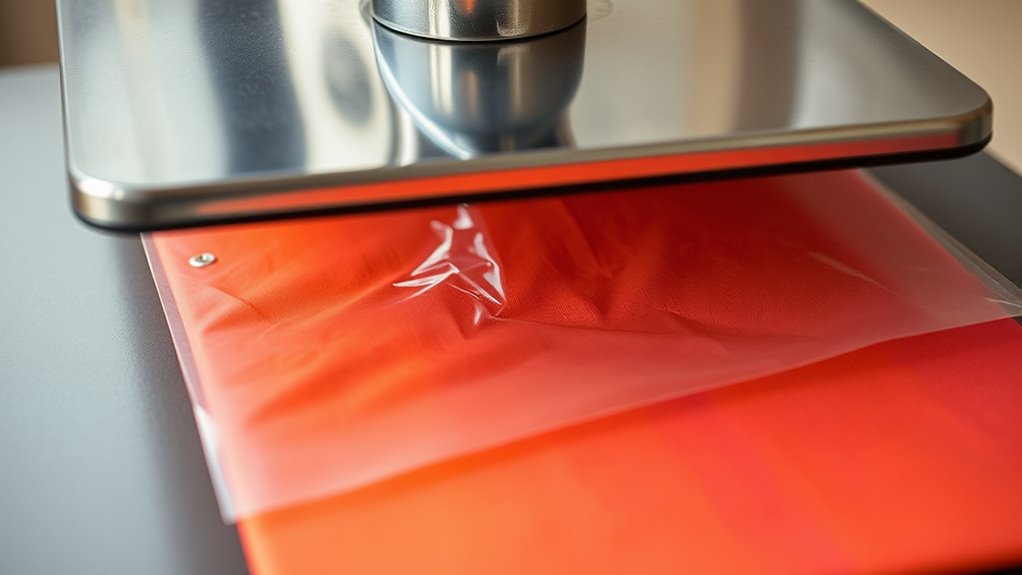
Wondering if you can use wax paper for heat pressing? You might think it’s a handy option since it’s readily available and cheap. Wax paper does act as a barrier between your heat press and the material, preventing direct contact and some mess.
It can handle moderate heat for a short time, making it tempting to use for quick projects. However, it’s important to know wax paper isn’t designed for high temperatures. It might work for light pressing tasks, but you should be cautious.
If you’re experimenting with wax paper, keep your press temperature and time low to avoid surprises. Always test on a scrap piece first to see how it responds before committing to your final project.
Why Wax Paper Is Not Safe for Heat Press Use
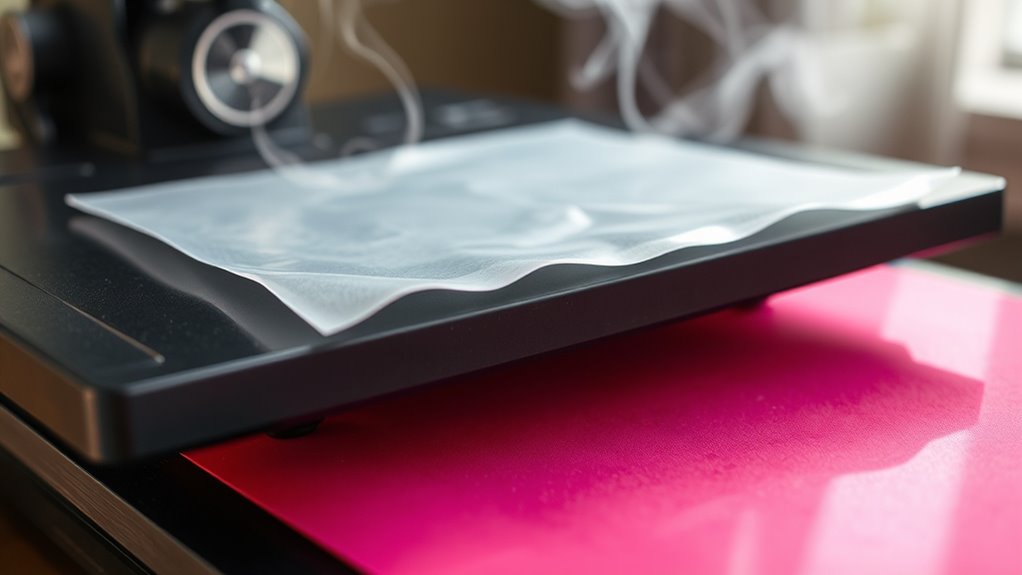
You shouldn’t use wax paper with your heat press because it can melt under high temperatures, creating a mess and potentially damaging your equipment. It also interferes with the heat transfer process, leading to poor results.
Let’s look closer at why these risks make wax paper unsafe for heat pressing.
Wax Paper Melting Risks
Although wax paper might seem like a convenient option for heat pressing, it’s not designed to withstand high temperatures. When you use wax paper in a heat press, you risk the wax melting and causing several problems.
Here are four key melting risks to take into account:
- Sticky Residue: Melted wax can stick to your heat press plates, ruining future projects.
- Fabric Damage: Wax can transfer onto your fabric, leaving stains that are hard to remove.
- Uneven Heating: Melting wax creates a barrier that prevents consistent heat distribution.
- Fire Hazard: Wax paper can ignite if exposed to excessive heat for too long.
To avoid these risks, it’s best to use materials specifically designed for heat pressing.
Heat Transfer Interference
How exactly does wax paper interfere with heat transfer during heat pressing? When you use wax paper, the wax coating melts under high heat, creating a barrier between your heat press and the material. This barrier prevents the heat and pressure from evenly reaching the transfer or fabric, resulting in poor adhesion and uneven designs.
Unlike parchment paper, wax paper isn’t designed to withstand high temperatures, so it disrupts the essential heat flow. Additionally, the melted wax can cause smudging or staining on your project, compromising its quality. To guarantee your designs adhere properly and look professional, avoid wax paper and opt for heat-resistant materials like parchment paper or Teflon sheets that allow proper heat transfer without interference.
How Wax Paper Differs From Parchment and Butcher Paper for Heat Pressing
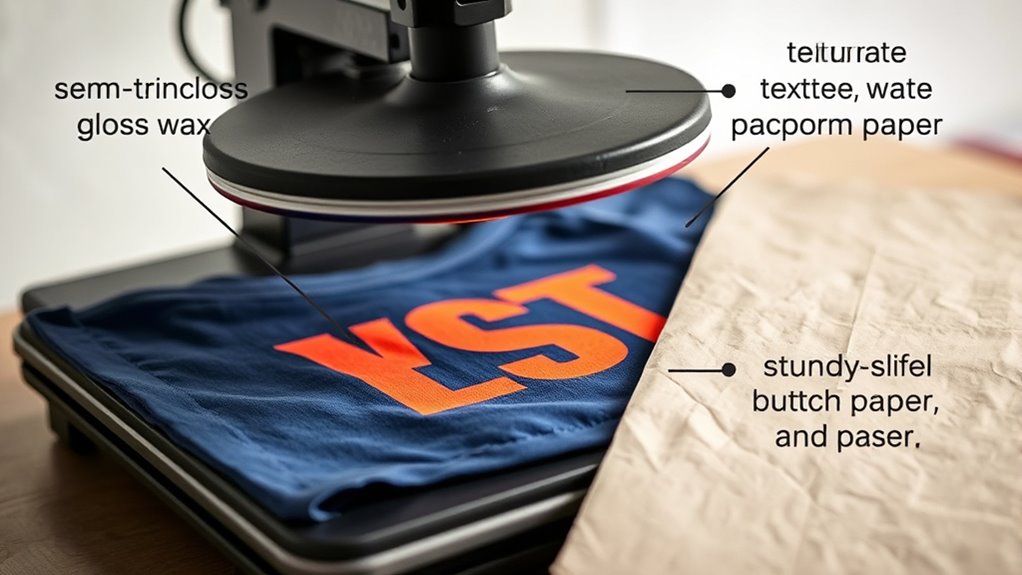
When heat pressing, choosing between wax paper, parchment paper, and butcher paper can impact your results considerably. Each paper type behaves differently under heat and pressure, affecting your project’s success.
- Wax Paper: Coated with wax, it’s non-stick but can melt or transfer wax onto fabrics under heat.
- Parchment Paper: Treated with silicone, it withstands high temperatures without sticking or melting, making it ideal for heat pressing.
- Butcher Paper: Thick and uncoated, it absorbs moisture well and protects your design but may stick if not used properly.
- Heat Resistance: Parchment and butcher papers handle heat better than wax paper, reducing risks of damage or transfer issues.
Knowing these differences helps you pick the right paper for clean, professional heat press results.
What Happens to Wax Paper Under Heat Pressing?
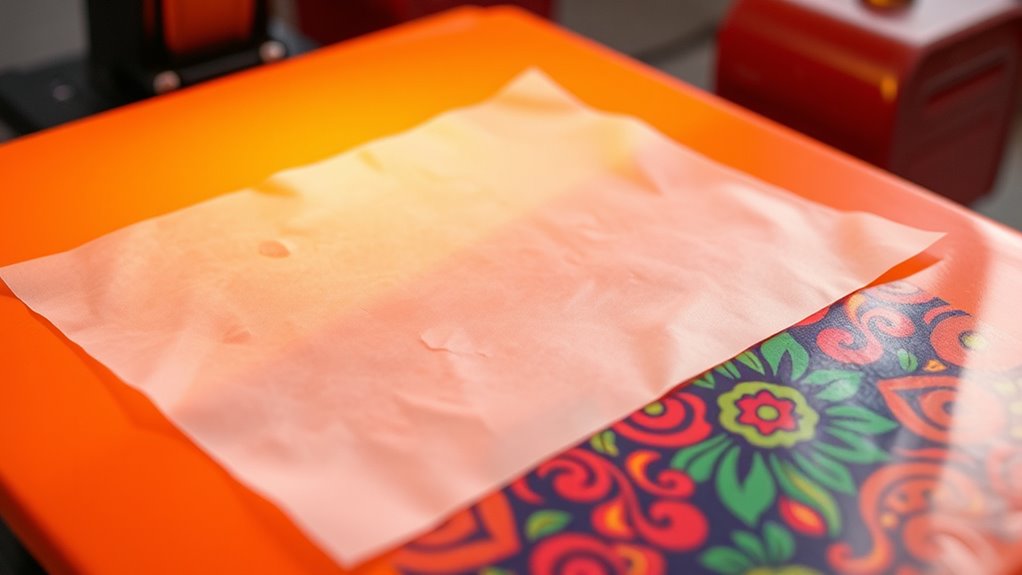
If you apply heat and pressure to wax paper during heat pressing, the wax coating will start to melt and can transfer onto your fabric or heat press platen. This melting wax can cause unwanted stains, affecting your design’s clarity and your machine’s cleanliness.
Additionally, the paper may wrinkle or stick, disrupting even heat distribution and pressing results.
| Heat Press Effect | Wax Paper Reaction |
|---|---|
| Heat (High Temp) | Wax melts, becomes sticky |
| Pressure | Wax transfers to fabric |
| Prolonged Time | Increased wax seepage |
| Cooling Phase | Wax solidifies, stains |
| Repeated Use | Residue buildup on platen |
Understanding this helps you decide whether wax paper suits your heat pressing needs.
Risks of Using Wax Paper on Your Heat Press and Designs
You’ll want to be careful using wax paper on your heat press because it can melt and stick to your equipment. This melting can cause damage not only to your heat press but also to your designs, ruining your work.
Understanding these risks helps you avoid costly mistakes and preserves your gear and creations.
Wax Paper Melting Issues
Although wax paper can seem like a convenient option for heat pressing, it risks melting under high temperatures and ruining both your heat press and your designs. Wax paper has a low melting point, and the heat press often exceeds this, causing wax to liquefy and stick. This can create a sticky mess that’s tough to clean and may damage your machine.
Here’s what you should watch out for:
- Wax residue buildup on the heat platen, reducing effectiveness.
- Wax sticking to your fabric, leaving unwanted marks.
- Difficulty in removing melted wax without harming the heat press.
- Potential for uneven heat distribution due to wax layers.
To avoid these issues, consider using heat-resistant materials like parchment paper instead.
Design Damage Risks
When you use wax paper in your heat press, the risk of damaging your designs rises considerably. Wax paper isn’t designed to withstand high heat like butcher paper or Teflon sheets, so it can melt or stick to your design. This sticking can pull off parts of the transfer or leave unwanted residue, ruining the look and quality.
Additionally, wax paper doesn’t provide even heat distribution, which can cause uneven pressing and distort your design’s colors or edges. Over time, repeated use of wax paper might degrade your heat press’s surface or affect future projects. To protect your work and equipment, it’s best to avoid wax paper and use materials specifically made for heat pressing.
This keeps your designs sharp and your press in good condition.
Best Alternatives to Wax Paper for Heat Press Protection
Finding the best alternatives to wax paper for heat press protection can save your projects from unwanted damage while maintaining quality. Wax paper can melt or stick under heat, so it’s smart to switch to safer options.
Here are four great alternatives you can use:
- Parchment Paper – Heat-resistant and non-stick, it’s perfect for protecting both your design and heat press.
- Butcher Paper – Durable and heat-tolerant, it prevents scorching and keeps your items safe.
- Teflon Sheets – Reusable and slick, these sheets provide excellent protection without affecting heat transfer.
- Silicone Mats – Heat-resistant and reusable, they offer a sturdy barrier for your designs during pressing.
These options help you avoid the risks wax paper poses while keeping your heat press projects flawless.
How to Use Parchment or Butcher Paper to Protect Your Heat Press
Since heat presses generate intense temperatures, using parchment or butcher paper correctly is essential to protect both your design and the press itself. Start by placing a sheet of parchment or butcher paper on the heat press platen. Then, position your garment or material on top, followed by your transfer design.
Finally, cover the design with another sheet of parchment or butcher paper before lowering the heat press. This creates a protective barrier that prevents scorching, sticking, or ink bleeding onto the heat platen. Make sure the paper lies flat and covers the entire press area to avoid direct contact with the heat.
After pressing, carefully remove the paper to reveal a clean, crisp transfer without damage to your heat press or project.
What to Do If Wax Paper Melts or Sticks During Heat Pressing?
If wax paper melts or sticks during heat pressing, it can ruin your design and damage your equipment. To fix this issue quickly, follow these steps:
- Turn off and unplug your heat press to avoid burns or further damage.
- Gently peel off the wax paper from the surface. If it’s stuck, use a soft cloth dampened with warm water to soften the residue.
- Clean the heat press plate with a non-abrasive cleaner or rubbing alcohol to remove any remaining wax.
- Switch to parchment or butcher paper next time since they withstand heat better and won’t stick or melt.
Frequently Asked Questions
Can Wax Paper Be Reused for Multiple Heat Press Projects?
You can reuse wax paper a few times for heat press projects, but it loses effectiveness quickly. After a couple of uses, it may stick or tear, so it’s best to replace it to avoid ruining your work.
Does Wax Paper Affect the Color Vibrancy of Heat-Pressed Designs?
Yes, wax paper can slightly dull color vibrancy during heat pressing because its wax coating interferes with heat transfer.
You’ll get better, brighter results using parchment paper or a Teflon sheet instead.
Is Wax Paper Safe for Heat Pressing on All Fabric Types?
You shouldn’t use wax paper on all fabrics because the wax can melt, causing stains or damage. It’s safer to use parchment paper or Teflon sheets designed specifically for heat pressing on various fabric types.
These alternatives provide a protective barrier without the risk of melting. Always choose materials recommended for heat pressing to ensure the best results. This helps maintain the quality and appearance of your fabric.
How Should Wax Paper Be Stored to Maintain Its Quality?
You should store wax paper in a cool, dry place, away from direct sunlight and moisture. Keep it in its original packaging or a sealed container to prevent it from absorbing odors or getting damaged, ensuring it stays fresh.
Can Wax Paper Protect Heat Press Machines From Adhesive Buildup?
Think of wax paper as a fragile shield—it won’t protect your heat press from adhesive buildup. You’ll want stronger, heat-resistant materials like Teflon sheets to guard your machine and keep it running smoothly without sticky damage.
Conclusion
Using wax paper in your heat press is like bringing a candle to a bonfire—it’s bound to melt and cause a mess. Just as you wouldn’t use a fragile flame where you need a strong, steady fire, wax paper can damage your designs and machine.
Instead, choose parchment or butcher paper, the reliable shields that protect your creations. Keep your heat press journey smooth by picking the right companion for the heat.
For the best results and to avoid damage, always use parchment or butcher paper when operating your heat press. This ensures your designs stay intact and your equipment remains safe during the heat press process.