Can You Heat Press Viscose
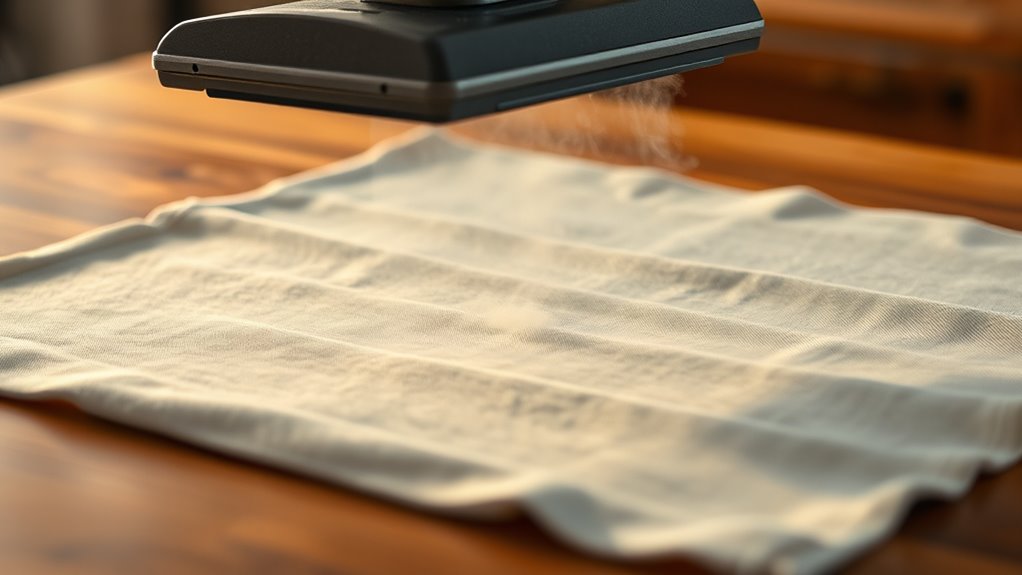
You can heat press viscose, but it requires careful attention to temperature, time, and pressure to protect the fabric. Viscose is a delicate fiber that can easily be damaged by excessive heat or pressure, so it’s important to use the right settings. Proper heat pressing techniques ensure your fabric remains intact and looks great.
Use lower heat settings, ideally around 250°F to 270°F, to avoid burning or shrinking the viscose. Apply gentle pressure during the process, and keep the pressing time short—about 5 to 15 seconds is best.
Always protect the fabric with a Teflon sheet to prevent direct contact with the heat press. Testing on a scrap piece before working on your final fabric is highly recommended.
Following these steps will help you achieve excellent results without ruining your viscose material.
Key Takeaways
- Viscose can be heat pressed but requires low temperatures (around 250-270°F) to prevent scorching or fiber damage.
- Use protective barriers like Teflon sheets to avoid shine marks and direct heat contact on viscose fabric.
- Limit pressing time to 5-15 seconds and apply gentle, medium pressure to avoid crushing or distorting the fabric.
- Always test on a small scrap first to check for discoloration, shrinkage, or texture changes before full application.
- Consider alternatives like screen printing or embroidery to decorate viscose without exposing it to heat.
Is Heat Pressing Viscose Safe?
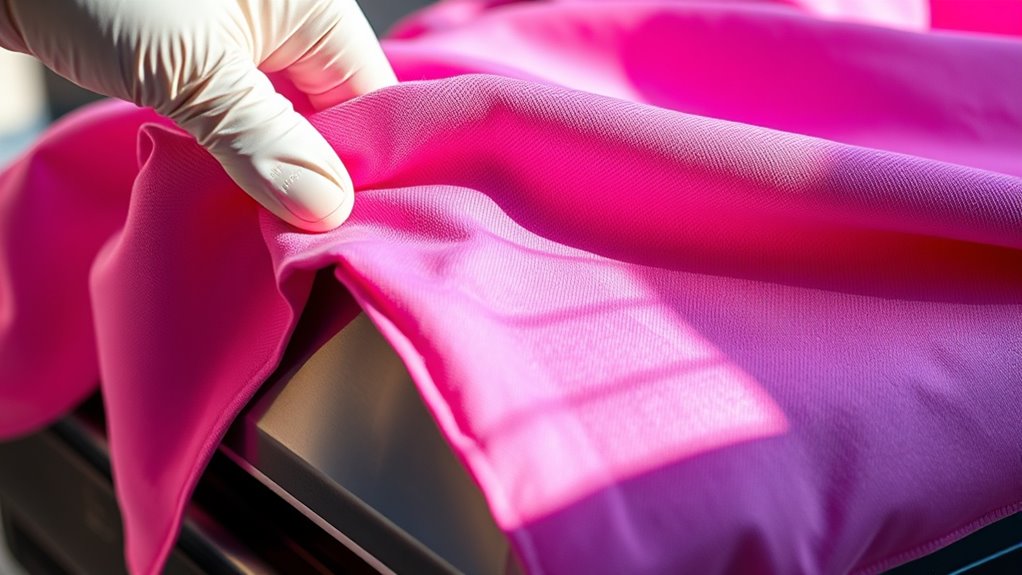
Although viscose is a delicate fabric, you can safely heat press it if you take the proper precautions. You need to adjust your heat press to a lower temperature, typically around 250°F (120°C), to prevent damage. Always use a protective barrier, like a Teflon sheet or parchment paper, between the heat press and the fabric to avoid scorching or shine.
Press for a shorter time, about 5-10 seconds, and avoid applying excessive pressure. Test on a small, hidden area first to ensure your settings won’t harm the material. By controlling heat, time, and pressure carefully, you can achieve good results without ruining your viscose garment.
What Is Viscose and Why Is It Delicate?
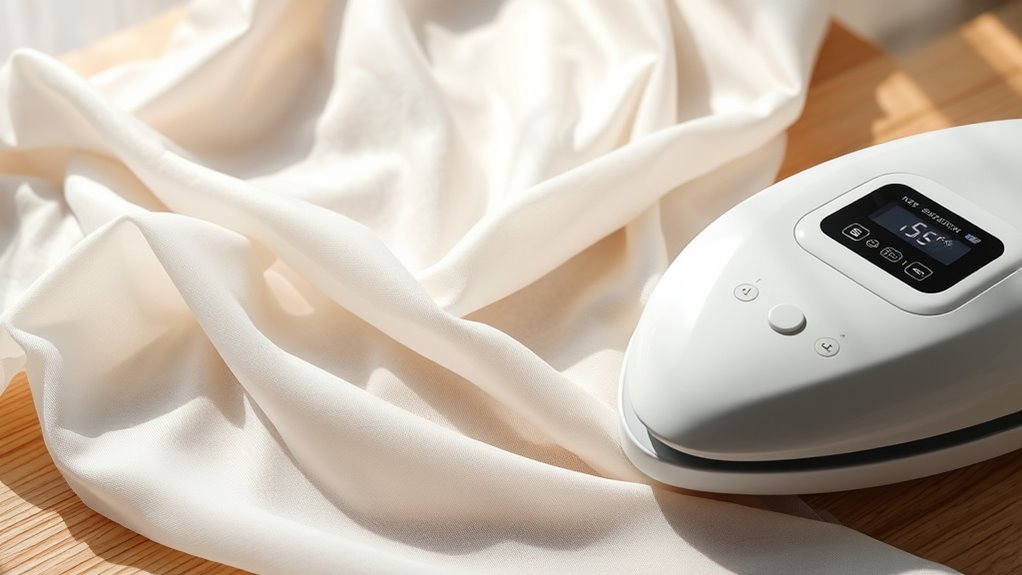
Viscose is a semi-synthetic fiber made from cellulose, which makes it prone to moisture absorption. You’ll find it’s sensitive to heat and can weaken or distort if exposed to high temperatures during pressing.
Understanding these traits helps you handle viscose with care to avoid damage.
Viscose Fiber Composition
Since it comes from natural cellulose fibers, you might expect viscose to behave like cotton or linen, but it’s much more delicate. Viscose is made by chemically treating wood pulp, breaking down cellulose, and then regenerating it into fibers. This process alters the fiber’s structure, making it softer and more breathable than synthetic alternatives but less durable than pure cotton.
Because of the chemical treatment, viscose fibers are weaker when wet and prone to shrinking or stretching. The fibers also have a smooth, shiny surface, which impacts how heat and pressure affect them. When you’re working with viscose, understanding this unique fiber composition helps you handle it carefully, especially if you plan to use heat, like in heat pressing.
Moisture Sensitivity Factors
The chemical process that makes viscose soft also makes it highly sensitive to moisture. When you expose viscose to water or steam, its fibers absorb moisture easily, causing them to swell and weaken. This moisture sensitivity means that viscose can lose strength and shape if handled improperly.
You’ll notice that wet viscose feels more delicate and prone to stretching or distortion. Because viscose is regenerated cellulose, it behaves differently than synthetic fibers, which resist moisture better. So, when working with viscose, especially during heat pressing, you need to carefully control moisture levels to prevent damage.
Understanding this helps you protect your fabric and maintain its look and feel without compromising its delicate nature.
Heat Impact On Viscose
Although it looks and feels like natural fabric, viscose is actually a semi-synthetic fiber made from chemically treated cellulose. You need to handle it with care because its delicate structure reacts poorly to high heat. When exposed to excessive heat, viscose fibers can weaken, shrink, or even scorch, ruining your garment.
Unlike cotton or polyester, it doesn’t have the durability to withstand intense heat pressing without damage. So, if you’re planning to heat press viscose, keep the temperature low and avoid prolonged exposure. Using a protective barrier like a pressing cloth can also help prevent direct heat contact.
Recognizing viscose’s sensitivity ensures you preserve its softness and appearance while avoiding costly mistakes during heat pressing.
How to Prepare Viscose Fabric for Heat Pressing
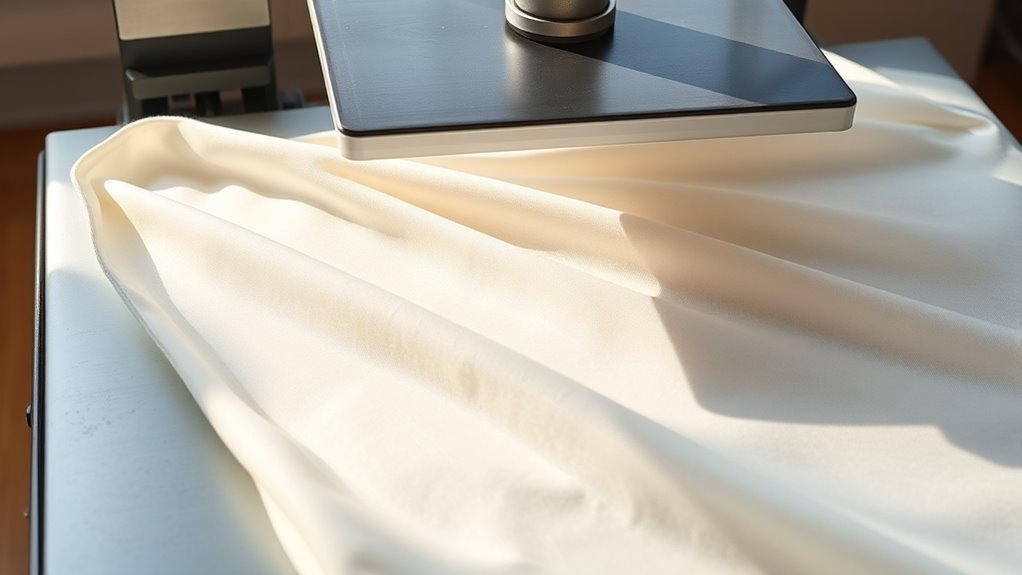
Before heat pressing viscose, make sure you clean and prep the fabric properly to avoid any damage. You’ll need to adjust your temperature and pressure settings carefully since viscose is delicate.
Always test the heat press on a scrap piece first to confirm the settings won’t harm your fabric.
Cleaning And Prepping Fabric
When preparing viscose fabric for heat pressing, you’ll want to start by thoroughly cleaning it to remove any oils, dirt, or sizing agents that could interfere with the process. Follow these steps to prep your fabric effectively:
- Wash gently: Use cool water and a mild detergent to avoid damaging the fibers. Avoid fabric softeners, which can leave residues.
- Air dry: Lay the fabric flat or hang it to dry naturally. Avoid wringing or using a dryer, as heat and agitation can distort viscose.
- Iron lightly: Once dry, iron the fabric on a low setting to smooth out wrinkles. Use a pressing cloth to protect the fabric’s surface.
These steps *guarantee* your viscose is clean, smooth, and ready for a successful heat press application.
Temperature And Pressure Settings
Since viscose is a delicate fabric, you’ll need to carefully adjust your heat press settings to avoid damaging it. Use a lower temperature and gentle pressure to keep the fabric smooth and vibrant. Too much heat or pressure can cause shrinkage, wrinkles, or even burns.
Here’s a quick guide to help you get it right:
| Setting | Recommendation |
|---|---|
| Temperature | 275°F (135°C) |
| Pressure | Light to medium pressure |
| Time | 10-15 seconds |
| Protective Layer | Use a Teflon sheet or parchment paper |
Always place a protective layer between the heat plate and viscose to prevent direct contact. This setup keeps your fabric safe and your design flawless.
Test Heat Press On Scrap
Although viscose is beautiful and versatile, it demands careful handling during heat pressing to avoid damage. Before you press your final piece, always test on a scrap of the same fabric. This helps you fine-tune temperature, pressure, and time without risking your project.
Follow these steps:
- Cut a small scrap from your viscose fabric to use as a test piece.
- Apply your intended heat press settings to the scrap, adjusting temperature, pressure, and duration based on the fabric’s reaction.
- Examine the scrap for any discoloration, shrinkage, or texture changes. If you notice any damage, lower the temperature or pressure and test again.
Testing on scrap guarantees your viscose stays smooth and vibrant when you press your actual item.
Best Heat Press Settings for Viscose
To achieve the best results when heat pressing viscose, you need to carefully control temperature, pressure, and time. Set your heat press to a moderate temperature, around 270°F (130°C). Going higher risks scorching or damaging the delicate fibers.
Use medium pressure to guarantee even contact without crushing the fabric. Too much pressure can leave marks or distort the material. Limit your pressing time to about 10-15 seconds—longer exposure might cause shrinkage or warping.
Always pre-press the garment for a few seconds to remove moisture and wrinkles before applying your design. By balancing these settings, you’ll protect the viscose fabric’s softness and appearance while achieving a clean, lasting transfer. Remember, starting with these settings and adjusting as needed is key.
Which Heat Transfer Materials Work Best on Viscose?
What types of heat transfer materials work best on viscose depends largely on the fabric’s delicate nature. You want materials that apply well without damaging or deforming the fabric. Here are three great options:
- Low-Temperature Vinyl: Heat transfer vinyl (HTV) designed for low temperatures is ideal. It adheres with less heat and pressure, reducing risk to viscose fibers.
- Sublimation Transfers: If your viscose blend contains polyester, sublimation works beautifully. It infuses ink into the fibers, creating vibrant, durable designs without heavy heat.
- Screen-Printed Transfers: These use special inks cured at lower temperatures, making them less likely to scorch or wrinkle viscose.
Choosing the right material guarantees your design lasts while keeping the fabric soft and intact. Always test a small piece first to confirm compatibility.
How Can You Avoid Wrinkles and Marks When Heat Pressing Viscose?
When you heat press viscose, wrinkles and marks can easily appear if you don’t handle the fabric carefully. To avoid this, always place a protective layer like a Teflon sheet or parchment paper between the heat press and the fabric. Make sure the viscose is laid flat and smooth on the press platen before starting.
Avoid applying excessive pressure, as viscose is delicate and can get crushed or distorted. Use moderate heat settings and keep the pressing time short to prevent scorching or shine marks. Also, handle the fabric gently when removing it from the press to prevent new creases.
How to Test Heat Pressing on Viscose Before Final Use
Although heat pressing viscose can yield great results, you should always test on a small fabric scrap before working on your final piece. This helps prevent damage and guarantees your settings are just right.
Here’s how to do it effectively:
- Set Your Heat Press: Start with a lower temperature and shorter time than you plan to use on the final fabric. This reduces the risk of scorching or shrinking.
- Apply Pressure and Heat: Press the scrap with the chosen settings, using a protective sheet to avoid direct contact.
- Evaluate the Result: Check for discoloration, texture changes, or shrinkage. If you notice any issues, adjust the temperature, time, or pressure accordingly before moving on to your main project.
Testing first keeps your viscose looking its best.
Alternatives to Heat Pressing for Decorating Viscose
Testing your heat press settings on a small piece of viscose helps avoid damaging the fabric, but sometimes heat pressing isn’t the best option. You can explore alternatives that protect the delicate fibers while still achieving beautiful decoration. Techniques like screen printing or embroidery work well without applying intense heat.
Fabric paints and markers also give you control and vibrant results without risking shrinkage or distortion. Here’s a quick comparison to help you choose:
| Method | Benefits |
|---|---|
| Screen Printing | Durable, vibrant colors |
| Embroidery | Adds texture, no heat needed |
| Fabric Paint | Customizable, easy to apply |
| Fabric Markers | Precise detail, low risk to fabric |
These methods let you decorate viscose safely and creatively.
Frequently Asked Questions
Can Heat Pressing Viscose Affect Its Colorfastness Over Time?
Yes, heat pressing viscose can affect its colorfastness over time. You’ll want to use lower temperatures and shorter pressing times to prevent fading or discoloration, keeping your fabric looking vibrant longer.
What Types of Heat Press Machines Are Best for Viscose Fabric?
You don’t want a medieval iron; choose a heat press with precise temperature control, like a clamshell or swing-away model. They handle viscose gently, so you won’t scorch your fashion dreams.
How Does Humidity Affect Heat Pressing Viscose?
Humidity affects heat pressing viscose by making the fabric more prone to shrinking and wrinkling. You should adjust temperature and time accordingly, and consider using a protective sheet to prevent moisture-related damage during pressing.
Can You Use Heat Press on Viscose Blends?
Yes, you can use a heat press on viscose blends, but you’ll need to lower the temperature and press time to avoid damage.
Always test a small area first, as blends react differently depending on fiber content.
Is Protective Paper Necessary When Heat Pressing Viscose?
Yes, you should always use protective paper when heat pressing viscose. It prevents scorching and fabric damage, ensuring your design stays crisp. Don’t skip this step to keep your project looking professional and lasting longer.
Conclusion
Heat pressing viscose is like handling a delicate piece of glass—you’ve got to be gentle and precise. By prepping your fabric carefully, choosing the right settings, and testing first, you’ll avoid wrinkles and marks. Remember, not all heat transfer materials suit viscose, so pick wisely.
If you’re unsure, explore alternatives to keep your fabric looking flawless. With the right approach, you’ll create stunning designs without damaging this delicate fabric. Proper heat pressing techniques and selecting compatible materials are essential for successfully working with viscose.