Can You Heat Press Vinyl on Cotton
Yes, you can heat press vinyl on cotton successfully by using the right vinyl, like polyurethane-based HTV, and preparing the fabric properly.
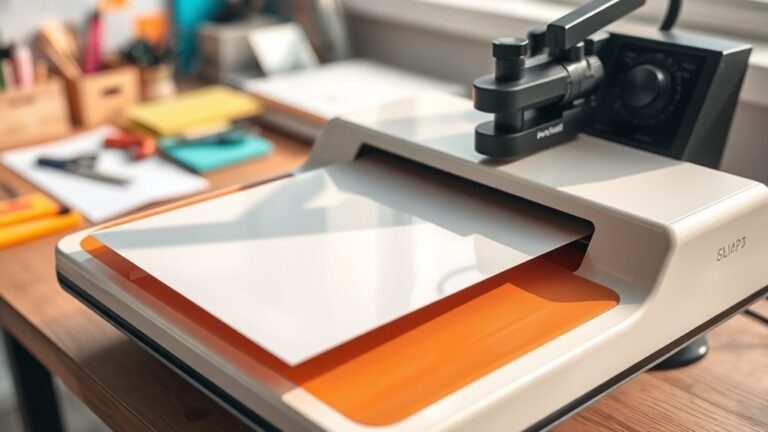
Heat pressing vinyl on cotton requires attention to detail to ensure the design adheres well and lasts long. Preheating the cotton fabric is an essential step that helps remove moisture and wrinkles before applying the vinyl.
Use protective sheets during pressing to avoid damage to both the vinyl and fabric. Set the heat press temperature between 305°F to 320°F, applying medium pressure for 10 to 15 seconds.
Be careful not to overheat or press too long, as this can cause damage to the cotton or vinyl.
Keep these basics in mind, and you’ll find even more tips for perfect results ahead. With the right technique, heat pressing vinyl on cotton can produce professional and durable designs every time.
Key Takeaways
- Yes, heat pressing vinyl on cotton is effective when using proper temperature (305°F-320°F) and time (10-15 seconds) settings.
- Preheat and pre-press cotton fabric to remove moisture and wrinkles for smooth vinyl application.
- Use polyurethane-based HTV like Siser EasyWeed for flexibility, durability, and wash resistance on cotton.
- Protect fabric and vinyl with Teflon sheets or parchment paper during pressing to avoid scorching or sticking.
- Allow vinyl to cool slightly before peeling the carrier sheet to ensure strong adhesion on cotton.
Can You Heat Press Vinyl on Cotton?
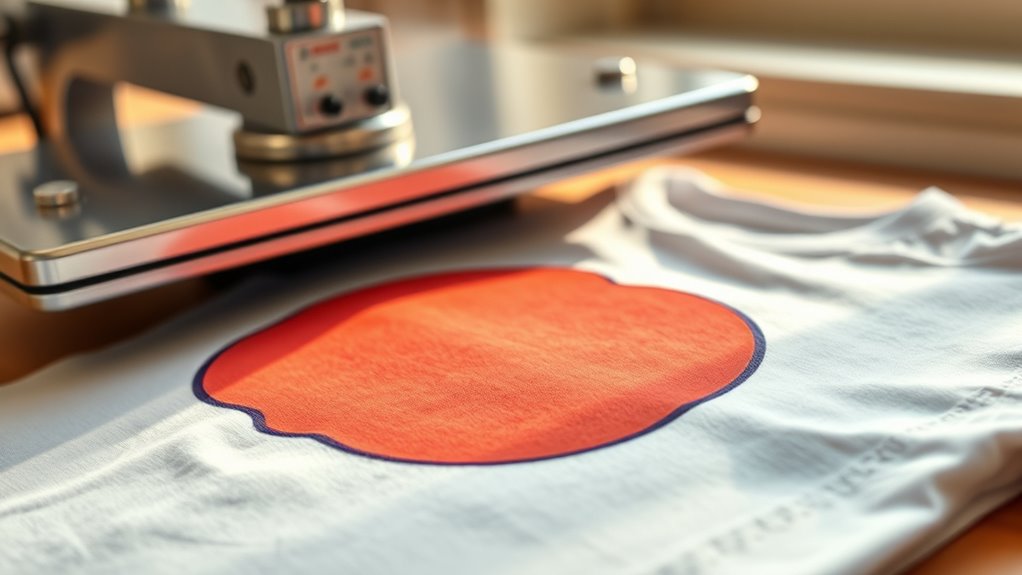
Although some materials require special handling, you can definitely heat press vinyl on cotton. Cotton’s natural fibers respond well to heat pressing, making it a popular choice for custom designs. When you apply heat and pressure, the vinyl adheres securely without damaging the fabric, as long as you use the right temperature and timing.
You’ll want to preheat your cotton garment to remove moisture and wrinkles, ensuring a smooth surface for the vinyl. Also, using a heat press instead of an iron gives you consistent pressure and temperature, which improves adhesion. Just be cautious with the temperature settings—too hot can scorch cotton, and too cool won’t bond the vinyl well.
With proper technique, you’ll get durable, vibrant results every time.
Which Vinyl Types Work Best on Cotton Fabrics?
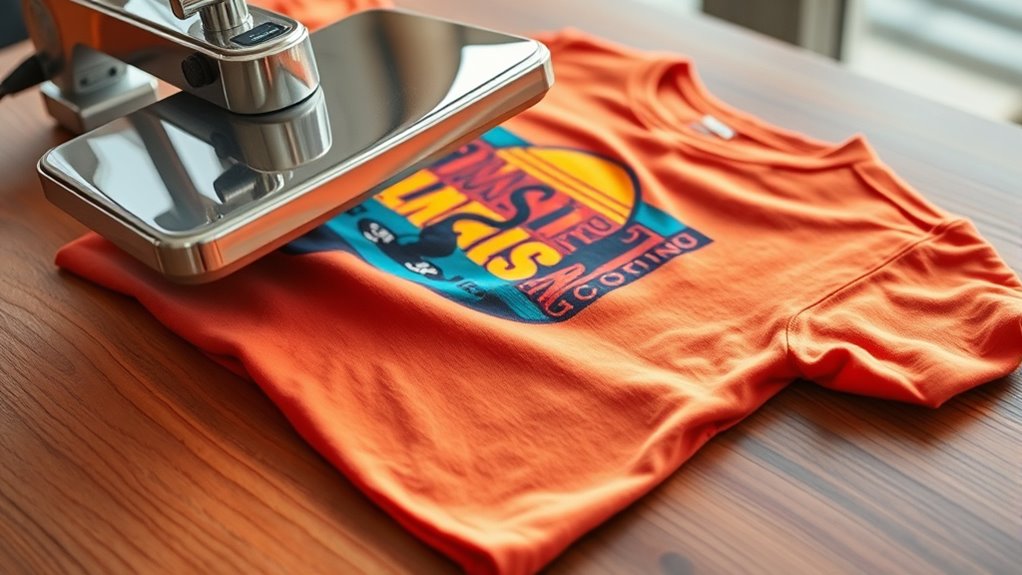
You’ll want to choose vinyl types that bond well with cotton and handle heat pressing without damage. Some materials, like HTV (heat transfer vinyl) made from polyurethane, work better than others.
Let’s look at which vinyls offer the best results and heat press compatibility for your cotton projects.
Best Vinyl Materials
Which vinyl materials work best on cotton fabrics? When choosing vinyl for cotton, you want something flexible, durable, and easy to heat press. Heat transfer vinyl (HTV) designed for cotton is your best bet.
Specifically, you should look for vinyl that’s soft and breathable to avoid stiffness.
Here’s a quick guide:
| Vinyl Type | Best Features |
|---|---|
| Siser EasyWeed | Soft, stretches well |
| Cricut Everyday | Affordable, reliable adhesion |
| ThermoFlex Plus | Durable, vibrant colors |
| Stahls’ CAD-CUT | Professional-quality finish |
| SportFlex | Ideal for stretchable cotton |
These materials bond well and maintain comfort. They’re also suitable for multiple washes without cracking or peeling, making your cotton garments look great longer.
Heat Press Compatibility
When selecting vinyl for cotton fabrics, understanding heat press compatibility guarantees a strong, lasting bond. Not all vinyl types work equally well with cotton, so choosing the right one is essential for durability and appearance. You want vinyl that adheres firmly without damaging the fabric, especially under heat and pressure.
Here are vinyl types that work best on cotton:
- Heat Transfer Vinyl (HTV): Designed specifically for fabrics; bonds well.
- Polyurethane (PU) Vinyl: Flexible, soft, and ideal for cotton.
- Polyvinyl Chloride (PVC) Vinyl: Durable but less breathable.
- Flock Vinyl: Adds texture and sticks well to cotton.
- Printable HTV: Great for detailed designs, suitable with proper heat.
Picking the right vinyl ensures your cotton projects look professional and last through washes.
How to Prepare Cotton Fabric for Heat Pressing Vinyl
Before you heat press vinyl on cotton, make sure to pre-wash the fabric to remove any chemicals or shrinkage. Smooth out all wrinkles so the vinyl adheres evenly.
Also, guarantee the fabric is completely dry to get the best results.
Pre-Washing Cotton Fabric
Although it might seem like a simple step, pre-washing your cotton fabric is essential to guarantee the vinyl adheres properly and lasts longer. When you skip this, residues like sizing, dirt, or oils can prevent strong adhesion and cause peeling later.
To prepare your fabric effectively, follow these tips:
- Use cold or warm water to prevent shrinking.
- Avoid fabric softeners—they leave a residue that interferes with vinyl.
- Wash with mild detergent to remove any chemicals or dirt.
- Rinse thoroughly to eliminate soap traces.
- Air-dry or tumble dry on low heat before pressing.
Removing Fabric Wrinkles
Since wrinkles can interfere with the vinyl’s ability to adhere smoothly, you’ll want to remove any creases from your cotton fabric before pressing. You can iron the fabric on a cotton setting or use a steam iron for stubborn wrinkles. Alternatively, a wrinkle-release spray works well if you want a quick fix.
Make sure the fabric is flat and taut on the heat press surface to avoid shifting during pressing.
| Method | Tools Needed | Best For |
|---|---|---|
| Ironing | Iron, ironing board | Heavy wrinkles |
| Steam Iron | Steam iron | Deep creases |
| Wrinkle Spray | Spray bottle | Light wrinkles |
| Hanging | Hanger | Slight wrinkles |
| Heat Press Surface | Heat press | Final smoothing before press |
Ensuring Fabric Dryness
How dry should your cotton fabric be before you start heat pressing vinyl? It needs to be completely dry to make certain the vinyl adheres properly and lasts. Moisture can cause bubbles, wrinkles, or peeling during pressing.
To get your fabric ready, follow these tips:
- Wash and thoroughly dry the fabric before pressing
- Avoid ironing immediately after washing—let it air dry first
- Use a moisture meter if unsure about dampness
- Store fabric in a dry, low-humidity area before pressing
- If fabric feels cool or damp to the touch, wait longer to dry
How to Position and Apply Heat Press Vinyl on Cotton
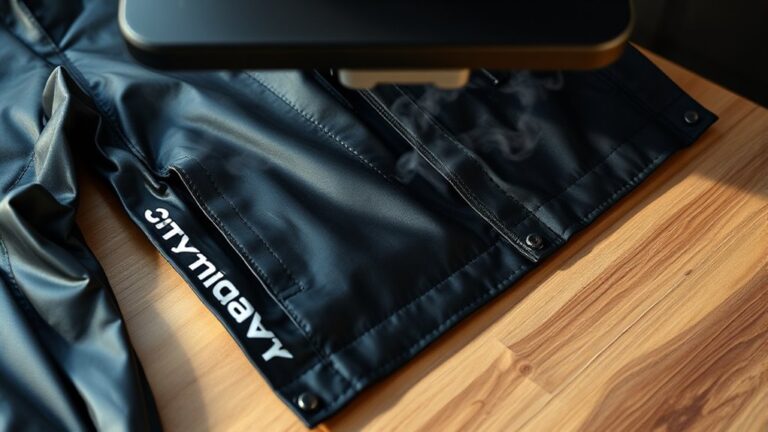
Before you apply heat press vinyl on cotton, carefully position your design to make certain it aligns perfectly with your garment. Lay the cotton fabric flat on the heat press platen, smoothing out any wrinkles or folds. Place a protective Teflon sheet or parchment paper over the vinyl to shield it from direct heat.
Use heat-resistant tape to secure the vinyl if necessary, preventing any shifting during pressing. Double-check the placement in a mirror or by lifting the top platen slightly. Once you’re confident with the alignment, lower the heat press gently to avoid disturbing the vinyl’s position.
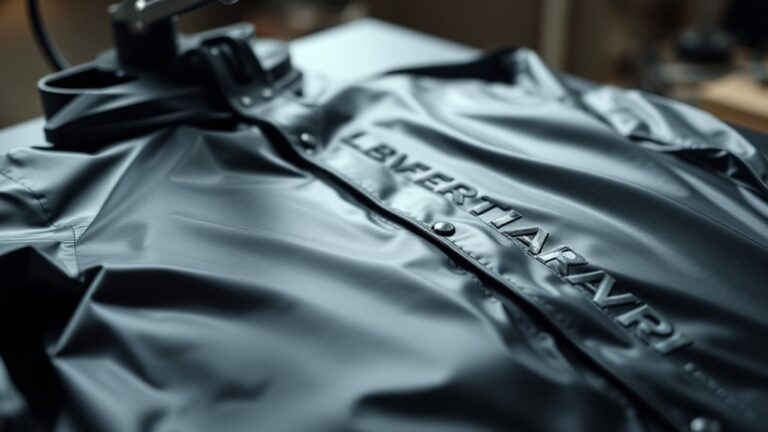
Press down firmly and hold steady for the recommended time. After pressing, peel the carrier sheet according to the vinyl’s instructions—either warm or cold peel—to guarantee your design adheres perfectly.
Ideal Temperature and Time Settings for Cotton Heat Pressing
Once you’ve positioned your vinyl and secured it properly, setting the right temperature and time is key to achieving a durable, vibrant design on cotton fabric. Too much heat or time can damage the fabric or vinyl, while too little won’t adhere the design well.
Here’s what you should aim for:
- Temperature: 305°F to 320°F (150°C to 160°C)
- Time: 10 to 15 seconds
- Pressure: Medium to firm, depending on your press
- Use a Teflon sheet or parchment paper to protect the vinyl and cotton.
- Allow the vinyl to cool slightly before peeling the carrier sheet for best adhesion.
Following these guidelines guarantees your cotton heat press vinyl design stays crisp and lasts through washes.
Why a Heat Press Works Better Than an Iron
Although an iron might seem like a convenient option, a heat press delivers consistent temperature and pressure that guarantees your vinyl adheres evenly and lasts longer on cotton fabric. When you use a heat press, you get precise control over heat and time, which is essential for avoiding damage to both the vinyl and fabric.
Unlike irons, heat presses apply firm, even pressure across the entire design, preventing bubbles or peeling. You don’t have to worry about moving the iron around, which can cause uneven adhesion. Plus, the large platen of a heat press covers the whole design at once, making the process faster and more efficient.
With a heat press, you’re ensuring professional-quality results every time you press vinyl on cotton.
How to Protect Cotton and Vinyl During Heat Pressing
Using a heat press gives you professional results, but it also means you need to take steps to protect both your cotton fabric and vinyl during the process. To avoid scorching or damaging your materials, follow these tips:
- Always use a Teflon sheet or parchment paper between the heat press and your design.
- Pre-press the cotton fabric for a few seconds to remove moisture and wrinkles.
- Set the heat press to the recommended temperature and time for your specific vinyl and cotton.
- Avoid applying excessive pressure, which can crush the fabric or distort the vinyl.
- Let the vinyl cool slightly before peeling the carrier sheet to prevent lifting or tearing.
Common Heat Pressing Mistakes to Avoid on Cotton
You’ve got to nail the right temperature settings to avoid scorching your cotton or melting the vinyl. Pressing too hot or too long can damage the fabric and ruin your design.
Let’s look at common mistakes so you can keep your project looking sharp every time.
Temperature Settings Importance
When heat pressing vinyl on cotton, setting the right temperature is vital to achieve a durable and vibrant print. If you get it wrong, you risk peeling, fading, or uneven adhesion. Stick to the recommended temperature range, usually between 300°F to 320°F, but always check your vinyl’s instructions.
Here’s why temperature settings matter:
- Too low heat won’t properly bond the vinyl to the fabric.
- Excessive heat can cause the vinyl to melt or warp.
- Incorrect temperature leads to poor washability and durability.
- Consistent heat ensures even transfer across the design.
- Adjusting temperature based on vinyl type prevents damage and enhances adhesion.
Avoiding Fabric Damage
If you want your cotton fabric to stay in great shape, you must avoid common heat pressing mistakes that cause damage. First, don’t apply too much heat or pressure; high temperatures can scorch cotton fibers, leaving permanent marks. Always follow the recommended temperature settings for your vinyl and fabric.
Second, avoid pressing for too long. Overexposure to heat can weaken the fabric’s integrity and cause shrinkage. Third, never skip using a protective sheet like parchment paper or a Teflon sheet between the heat press and your cotton.
This prevents direct heat contact and reduces the risk of scorching or vinyl melting onto the fabric. By controlling heat, time, and protection, you’ll keep your cotton looking fresh and your vinyl design flawless.
How to Care for Cotton Items With Heat Pressed Vinyl
Although heat pressed vinyl adds a durable design to your cotton items, proper care guarantees it lasts longer and maintains its vibrant look. You should treat your garment gently to preserve both fabric and vinyl quality. Follow these tips for best results:
- Wash inside out in cold water to reduce friction and fading.
- Use mild detergent without bleach or fabric softeners.
- Avoid tumble drying; air dry flat or hang dry.
- Iron inside out on low heat, never directly on the vinyl.
- Store folded or hung in a cool, dry place away from direct sunlight.
Troubleshooting Vinyl Peeling or Fading on Cotton
Why does your heat press vinyl start peeling or fading on cotton? Often, it’s due to insufficient heat, pressure, or time during pressing. Make sure you follow the vinyl manufacturer’s recommended settings closely.
Using too low heat or pressure can cause poor adhesion, leading to peeling. Overwashing or using harsh detergents can also wear down the vinyl. To fix peeling, try pressing the vinyl again with proper heat and pressure, using a protective sheet.
For fading, avoid excessive heat during washing and turn the garment inside out. Also, steer clear of bleach and fabric softeners. If problems persist, check that your vinyl is compatible with cotton and consider using a heat press specifically designed for textile use to ensure durable results.
Frequently Asked Questions
Can You Wash Heat Pressed Vinyl on Colored Cotton Without Fading?
Yes, you can wash heat pressed vinyl on colored cotton without fading if you turn the garment inside out, use cold water, gentle cycle, and avoid harsh detergents or bleach.
Air drying helps preserve the design longer.
Is Heat Pressing Vinyl on Cotton Safe for Children’s Clothing?
Absolutely, you can safely heat press vinyl on children’s cotton clothes—just like a knight carefully placing his armor! Use low heat and follow instructions to guarantee comfort, durability, and no irritation for the little ones.
Can You Layer Different Vinyl Types on One Cotton Garment?
Yes, you can layer different vinyl types on one cotton garment. Just make certain to follow each vinyl’s temperature and pressing time guidelines to avoid melting or damaging layers.
Test a small area first to ensure durability.
Does Humidity Affect the Heat Pressing Process on Cotton Fabric?
Humidity’s like a sneaky rain cloud, messing with your heat press on cotton. Yes, it slows adhesion and can cause bubbling.
You’ll want a dry environment to guarantee your vinyl sticks tight and looks sharp every time.
Can You Use Heat Press Vinyl on Cotton Blends Versus 100% Cotton?
Yes, you can use heat press vinyl on cotton blends, but results may vary compared to 100% cotton. Blends might need adjusted temperature and time settings to guarantee proper adhesion without damaging the fabric or vinyl.
Conclusion
You can definitely heat press vinyl on cotton, but it’s not just about sticking vinyl on fabric—it’s about blending art with technique. By choosing the right vinyl, prepping your cotton well, and using proper heat settings, you’ll create designs that stick like glue. Avoid common mistakes, protect your work, and care for your items properly to keep your creations looking fresh.
With these tips, your cotton projects will shine every time. Remember, mastering how to heat press vinyl on cotton ensures durable, vibrant results. Proper technique and materials are key to making your designs last and look professional.