Can You Heat Press on Plastic
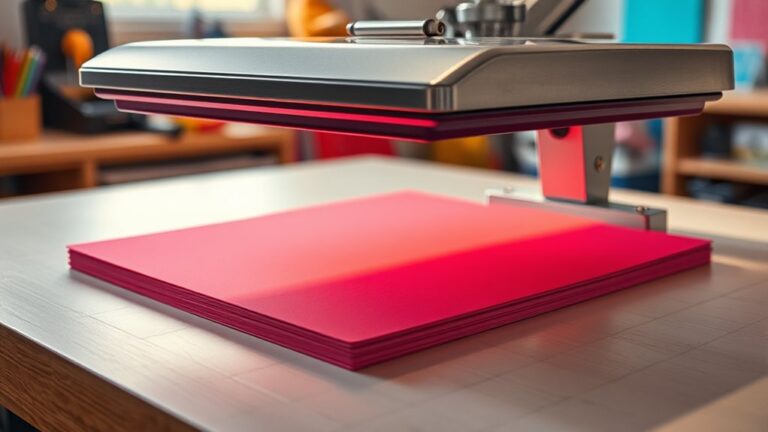
You can heat press on certain plastics, but it’s important to know which types are suitable to avoid damage. Heat pressing on plastic requires careful selection of materials to prevent melting or warping. Proper preparation and technique are essential for good results.
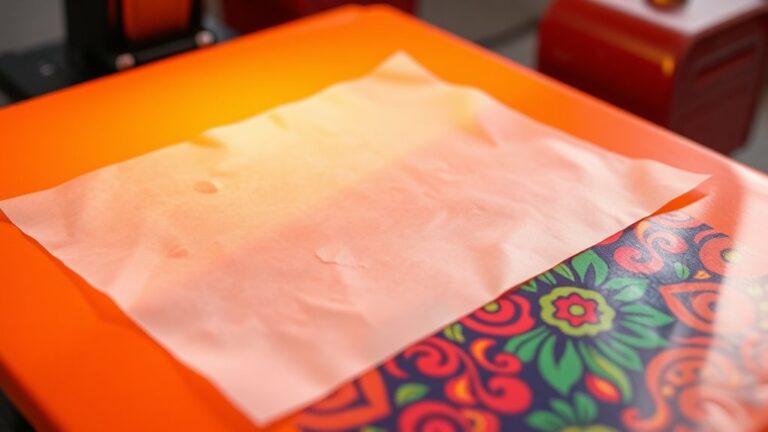
Clean and prepare the surface well before applying heat. Use protective sheets like Teflon to shield the plastic from direct heat. Set your heat press between 250°F and 300°F with moderate pressure for about 10-20 seconds.
Be mindful that some plastics handle heat better than others. If you want to get it just right and avoid common mistakes, there are key tips and tricks worth exploring.
Following these guidelines will help you successfully heat press on plastic surfaces.
Key Takeaways
- Heat pressing on plastic is possible with compatible materials like PET, polypropylene, and certain polycarbonate types.
- Proper surface preparation and protective barriers, such as Teflon sheets, prevent heat damage during pressing.
- Use moderate temperatures (250°F–300°F) and pressure for 10-20 seconds to avoid melting or warping plastic.
- Avoid low melting plastics like LDPE and polystyrene, which can deform under heat pressing conditions.
- Always test on a small plastic piece first to ensure heat tolerance and successful design transfer.
Can You Heat Press on Plastic? What You Need to Know
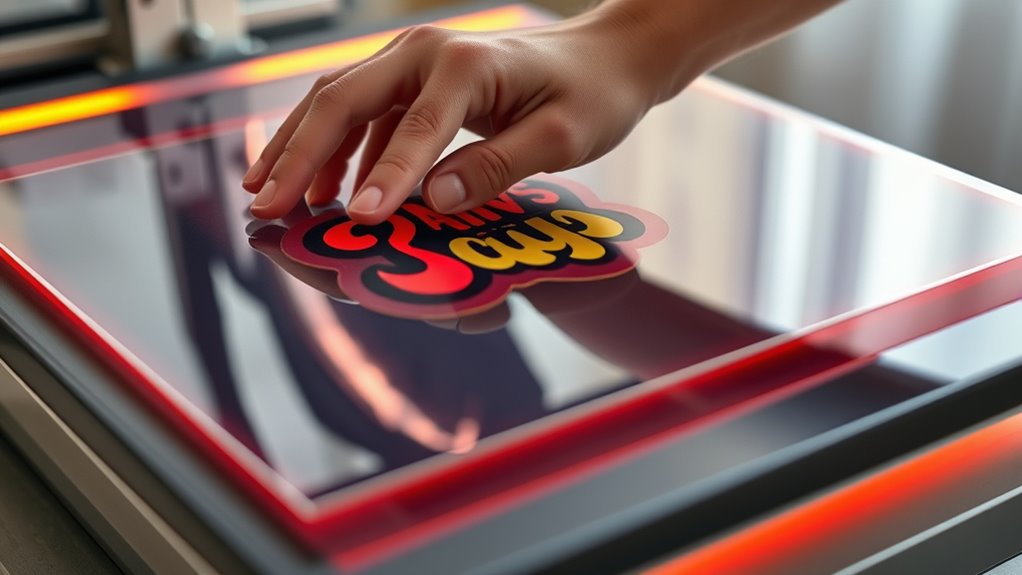
Although plastic might seem tricky to work with, you can heat press on certain types of plastic if you know the right temperature and pressure settings. The key is identifying plastics that can handle heat without warping or melting, like some polyethylene and polypropylene variants. You’ll want to avoid materials that are too thin or have low melting points.
Before you start, check the plastic’s heat tolerance and test on a small piece. Using the correct temperature, usually between 250°F and 350°F, along with moderate pressure and a short pressing time, helps achieve good results. Remember, overheating or applying too much pressure can ruin the plastic.
With careful preparation and adjustments, you can successfully use a heat press on plastic for various projects.
How Heat Pressing Affects Different Plastics
You’ll find that different plastics respond uniquely to heat pressing based on their type and durability. Some plastics can handle higher temperatures without damage, while others may warp or melt quickly.
Understanding these temperature limits is key to getting the best results without ruining your material.
Plastic Types and Durability
How does heat pressing impact various types of plastic? When you apply heat and pressure, some plastics hold up well, while others can warp, melt, or lose durability.
Knowing your plastic type helps you avoid damage and achieve the best results.
| Plastic Type | Durability Under Heat Press | Recommended Use |
|---|---|---|
| Polyethylene | Low – warps easily | Avoid heat pressing |
| Polycarbonate | High – withstands moderate heat | Suitable for durable prints |
| Acrylic | Medium – may soften | Use with caution, lower heat |
Temperature Impact on Plastics
Understanding how different plastics react to heat pressing goes beyond just knowing their general durability. When you apply heat, some plastics soften, warp, or even melt, while others remain stable. For example, polyethylene and polypropylene have low melting points, so heat pressing them requires careful temperature control to avoid damage.
On the other hand, polycarbonate and acrylic can tolerate higher temperatures but might discolor if overheated. You’ll want to set your heat press temperature according to the specific plastic type—too hot, and you risk ruining the surface; too cool, and your design won’t adhere properly. Always check the plastic’s heat tolerance before starting, and test on a small piece if possible.
This way, you’ll achieve the best results without compromising the plastic’s integrity.
What Types of Plastic Can You Heat Press On?
Although not all plastics respond well to heat pressing, several types can handle the process if you choose the right materials and settings. You’ll find that plastics like polyethylene terephthalate (PET), polypropylene (PP), and certain polycarbonate (PC) grades work well because they have higher melting points and better heat resistance.
On the other hand, low-density plastics such as polyethylene (LDPE) and polystyrene (PS) tend to melt or warp under heat press conditions, so you should avoid them. When selecting plastic for heat pressing, consider its heat tolerance and flexibility.
Always test a small piece first to prevent damage. Knowing these plastic types helps you avoid ruining your project and guarantees a smooth, successful heat transfer.
Best Heat Transfer Materials for Plastic
When working with plastic, you’ll want to choose the right heat transfer materials to guarantee a strong bond. Vinyl options offer great flexibility, while printable heat transfer films give you detailed designs.
Don’t forget about specialty plastic transfer papers, which are designed specifically for tricky surfaces.
Vinyl Options for Plastic
If you want durable and vibrant designs on plastic, choosing the right vinyl is crucial. Heat transfer vinyl (HTV) made specifically for non-porous surfaces works best. Look for permanent adhesive vinyl or specialized outdoor vinyl, as these types bond strongly to smooth plastic and resist peeling.
You’ll want vinyl with strong heat tolerance since plastic can be sensitive to high temperatures. Thin, flexible vinyl also helps avoid cracking or lifting after pressing. Brands like Oracal 651 and Siser EasyPSV are popular choices that offer excellent adhesion and durability on plastic substrates.
Printable Heat Transfer Films
Since plastic surfaces require special care, printable heat transfer films offer a versatile solution for applying detailed and colorful designs. You can print your artwork directly onto these films using an inkjet or laser printer, then use a heat press to transfer the image onto various plastic items. These films are specially designed to adhere well without damaging the plastic, ensuring vibrant, long-lasting results.
When choosing a printable heat transfer film, look for options compatible with your printer type and suitable for the specific plastic you’re working with. Remember to adjust your heat press settings—temperature, pressure, and time—to avoid warping or melting the plastic. Printable heat transfer films give you the flexibility to create custom designs with ease, making them a top choice for heat pressing on plastic.
Specialty Plastic Transfer Papers
Although heat pressing on plastic can be tricky, specialty plastic transfer papers make the process much easier and more reliable. These papers are designed specifically to bond with plastic surfaces, ensuring your design adheres smoothly without peeling or cracking. When you use specialty transfer papers, you get vibrant colors and sharp details that standard transfer films often can’t match on plastics.
Just make sure to select the right paper for your plastic type, as different plastics require different transfer coatings. Follow the manufacturer’s instructions carefully regarding temperature, pressure, and pressing time to get consistent results. With specialty plastic transfer papers, you can confidently decorate a variety of plastic items, from phone cases to water bottles, making your creative projects stand out with durability and quality.
Preparing Plastic Surfaces
Before you start heat pressing on plastic, you need to prepare the surface properly to guarantee the design adheres well. Begin by cleaning the plastic thoroughly with isopropyl alcohol or a mild detergent to remove dust, oils, and residues. Avoid using abrasive cleaners that could scratch the surface.
Once cleaned, dry the plastic completely to prevent moisture from interfering with the transfer. If the plastic is glossy, lightly sanding it with fine-grit sandpaper can help the design stick better by creating a slightly rougher texture. Be careful not to over-sand, as this might damage the plastic.
Finally, make certain the plastic is flat and stable on your heat press to apply even pressure. Taking these steps will set a solid foundation for a successful heat press application.
Heat Press Settings for Plastic
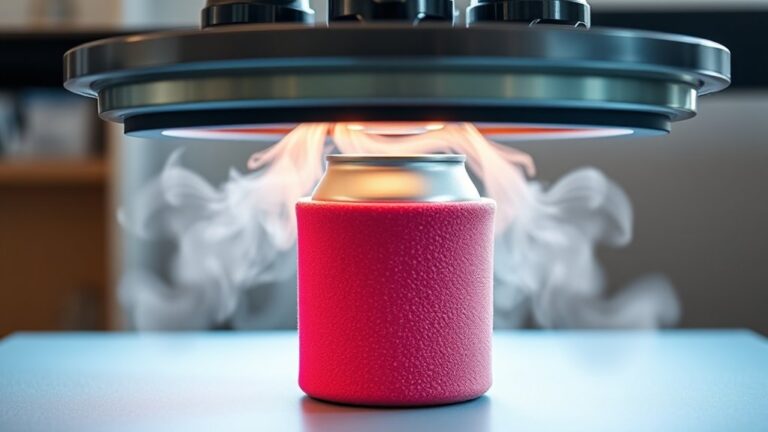
When you heat press on plastic, selecting the right temperature, pressure, and time is vital to avoid melting or warping the material. Typically, keep the temperature between 250°F and 300°F, depending on the plastic type. Applying moderate pressure is key—too much will deform the plastic, too little won’t guarantee proper adhesion.
Set your press timer for 10 to 20 seconds; longer exposure risks damage. Always start with the lowest settings recommended for your plastic and test on a small piece. Adjust gradually if needed.
Use a protective sheet to shield the plastic surface from direct heat. By carefully controlling these settings, you’ll get clean, durable transfers without ruining your plastic substrate.
Step-by-Step Guide to Heat Pressing on Plastic
Now that you know how to set the right temperature, pressure, and time for heat pressing on plastic, let’s walk through the exact steps you’ll follow to get the best results. First, clean your plastic surface thoroughly.
Next, position your design on the plastic, then cover it with a protective sheet to avoid direct heat damage. Set your heat press to the recommended settings, press firmly, and time it precisely.
Finally, carefully peel off the protective sheet and let the plastic cool.
| Step | Action | Feeling |
|---|---|---|
| 1 | Clean plastic surface | Confident |
| 2 | Position design | Focused |
| 3 | Apply heat with cover | Anticipation |
| 4 | Peel and cool down | Satisfaction |
Common Mistakes and Troubleshooting Warping or Melting
Although heat pressing on plastic can yield great results, mistakes like applying too much heat or pressure often cause warping or melting. To avoid this, always check the manufacturer’s recommended temperature and pressure settings before you start. Using a heat press set too high or pressing for too long will deform the plastic.
Also, uneven pressure can cause inconsistent results, so make sure your press applies even force. If you notice warping, reduce the temperature slightly and shorten the pressing time. For melting, cooling the plastic between attempts helps prevent damage.
Using a protective Teflon sheet or parchment paper between the plastic and heat plate can also reduce direct heat impact. By troubleshooting carefully, you can achieve clean, durable designs without ruining your plastic.
Frequently Asked Questions
Can Heat Pressing Damage the Environment?
Yes, heat pressing can damage the environment if you use plastic materials that release harmful fumes or dispose of waste improperly.
You should choose eco-friendly materials and ventilate your workspace to minimize environmental impact.
How Long Does a Heat Press Design Last on Plastic?
Your heat press design on plastic can last several months to years, depending on the plastic type, ink quality, and care. Avoid harsh chemicals and excessive heat to keep your design vibrant and intact longer.
Are There Safety Precautions When Heat Pressing Plastic?
Yes, you should wear heat-resistant gloves and work in a well-ventilated area to avoid fumes. Don’t press too hot or long, or the plastic might melt or release harmful chemicals, risking burns or inhalation hazards.
Can You Reuse Plastic Items After Heat Pressing?
Yes, you can reuse plastic items after heat pressing, but be careful—heat weakens plastic, so reuse them gently. Treat each piece like a fragile treasure; one wrong move, and it might warp or lose its shine.
Does Humidity Affect Heat Pressing on Plastic?
Yes, humidity affects heat pressing on plastic by causing moisture to interfere with adhesion and heating. You’ll want to work in a dry environment to prevent warping or bubbles, ensuring a smooth, durable finish on your project.
Conclusion
You might think heat pressing on plastic is risky, but with the right knowledge, it’s totally doable. Understanding which plastics handle heat well and using proper settings help you avoid warping or melting. Preparing the surface and choosing the best transfer materials makes all the difference.
So, don’t shy away from experimenting—you’ll find heat pressing on plastic can be a creative and rewarding process when done right! Mastering heat press on plastic opens up new possibilities for custom designs and personalized projects.