Can You Heat Press Corrugated Plastic
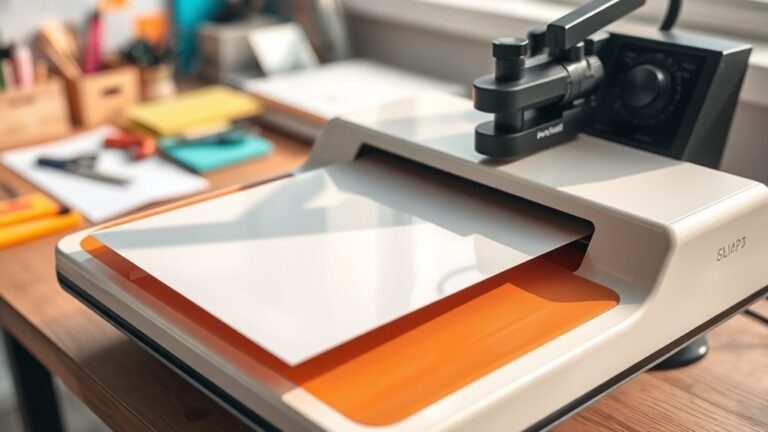
You can heat press corrugated plastic, but it requires careful attention to temperature and timing to avoid damaging the material. Heat pressing corrugated plastic involves balancing heat, pressure, and time to prevent warping or melting.
Keeping the temperature below 250°F and limiting the pressing time to around 10-15 seconds is essential for good results.
Apply moderate pressure during the process to avoid crushing the plastic’s layers. Uneven heat or excessive pressing time can compromise the plastic’s structure or cause bubbling.
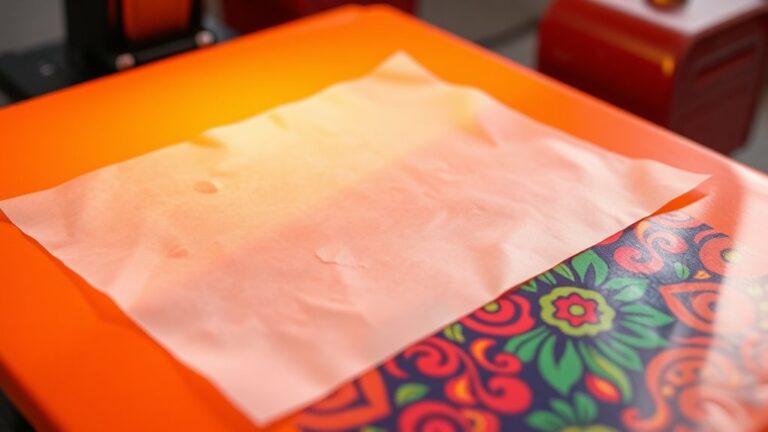
Using a heat-resistant cover sheet helps protect the surface from direct heat exposure.
To achieve the best results when heat pressing corrugated plastic and avoid common pitfalls, understanding these precautions is crucial. Proper technique ensures the plastic maintains its integrity and appearance throughout the process.
Key Takeaways
- Corrugated plastic can be heat pressed but requires careful temperature control to avoid warping or melting due to its low heat resistance. The ideal heat press temperature is between 250°F and 300°F, with pressing times limited to 10-15 seconds to prevent damage.
- Uneven heating and the plastic’s hollow structure increase risks of deformation and weakening during heat pressing. Proper preparation, including cleaning and using a heat-resistant cover sheet, improves pressing results and durability.
- Alternative methods like screen printing or adhesive transfers are recommended for detailed designs or thin, warped sheets.
What Is Corrugated Plastic and How Is It Made
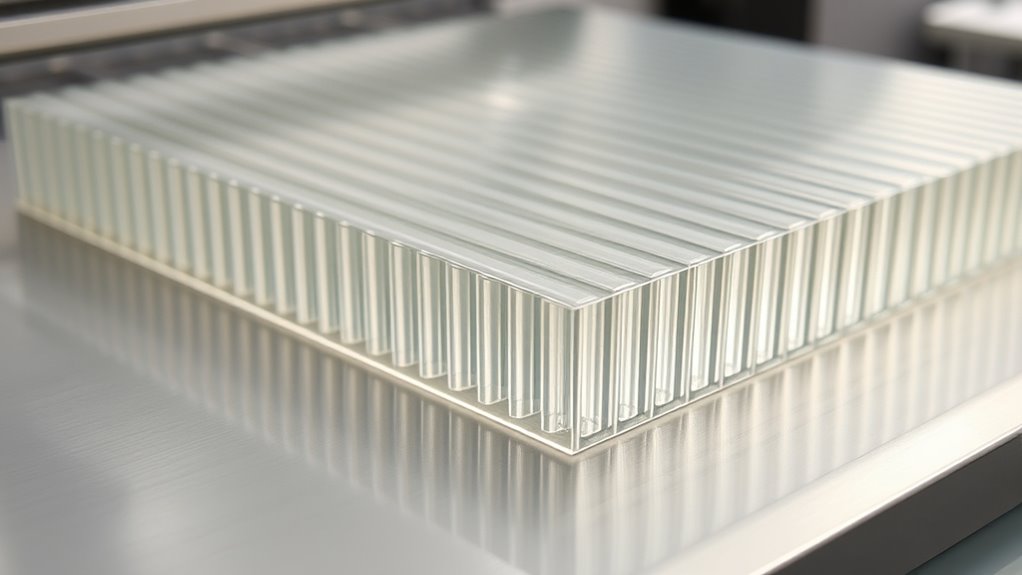
Although you might not realize it, corrugated plastic is a versatile material made from twin-wall polypropylene sheets. When you look at it, you’ll notice it has a fluted structure between two flat layers, giving it strength and lightness. The manufacturing process involves extruding molten polypropylene into sheets, then creating the fluted inner layer by forming channels between the walls.
This design makes the plastic rigid yet flexible enough for various uses. You’ll find corrugated plastic in signs, packaging, and even construction because it resists moisture, chemicals, and impact. Its durability and lightweight nature make it easy to handle and transport.
Understanding its composition helps you appreciate why it’s popular for projects that need strong, weather-resistant materials.
Is It Safe to Heat Press Corrugated Plastic?
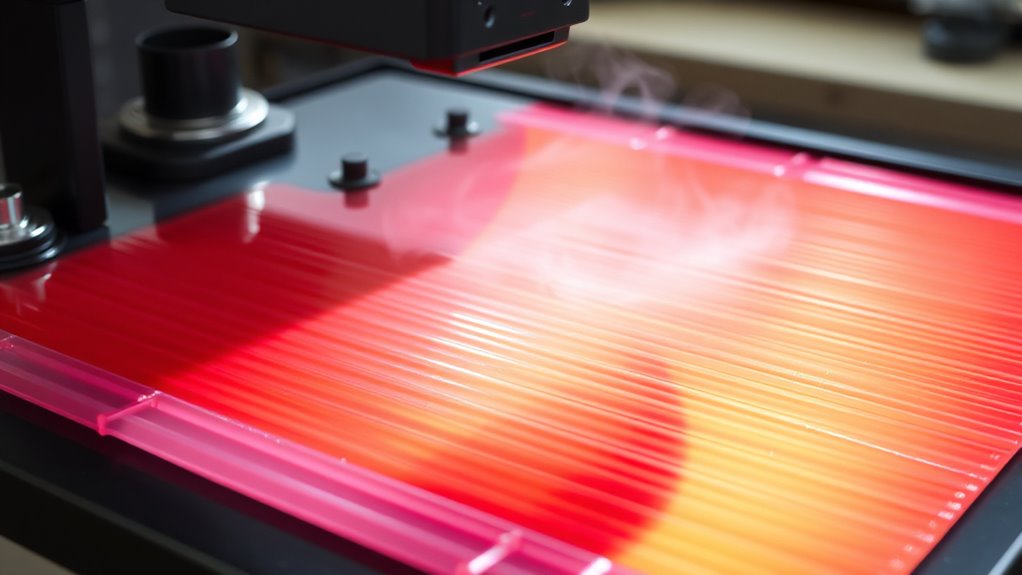
You need to know that corrugated plastic has a specific heat resistance, and pressing it too hot can cause melting or warping. Understanding the safe temperature guidelines helps you avoid damaging the material or creating hazards.
Let’s explore how to heat press corrugated plastic safely.
Material Heat Resistance
Since corrugated plastic is made from polypropylene, it has a moderate heat resistance but can warp or melt if exposed to temperatures above 250°F (121°C). When using a heat press, you need to control the temperature carefully to avoid damaging the material.
Understanding its heat limits helps you decide if heat pressing is suitable for your project.
| Temperature (°F) | Effect on Corrugated Plastic |
|---|---|
| Below 200°F | Safe, no deformation |
| 200°F – 250°F | Risk of softening and warping |
| Above 250°F | Likely melting and permanent damage |
Always keep the temperature below 250°F and avoid prolonged exposure to preserve the plastic’s shape and strength during heat pressing.
Risks of Melting
How much heat can corrugated plastic handle before it starts to melt? If you apply too much heat, the plastic softens and deforms quickly, ruining your project. Understanding the risks helps you avoid costly mistakes.
Here are key risks of melting corrugated plastic when heat pressing:
- Warping: Excessive heat causes the plastic to lose shape and become unusable.
- Surface Damage: Melting creates bubbles or glossy spots, spoiling the finish.
- Structural Weakness: Heat can weaken the internal flutes, reducing durability.
- Fumes: Overheating releases potentially harmful fumes, posing health risks.
Safe Temperature Guidelines
Avoiding the risks of melting means carefully controlling the heat applied to corrugated plastic. You should keep the temperature below 250°F (121°C) since higher heat can cause the plastic to warp or melt. Use a heat press with adjustable temperature settings and start at a lower heat, gradually increasing if necessary.
Also, limit the pressing time to 10-15 seconds to prevent damage. Avoid using maximum pressure, as excessive force combined with heat increases the risk of deformation. If you’re unsure, test on a small scrap piece first.
Following these guidelines helps you safely heat press corrugated plastic without ruining your project. Remember, patience and control are key to preserving the material’s integrity while achieving the desired results.
Why Heat Pressing Corrugated Plastic Is Tricky
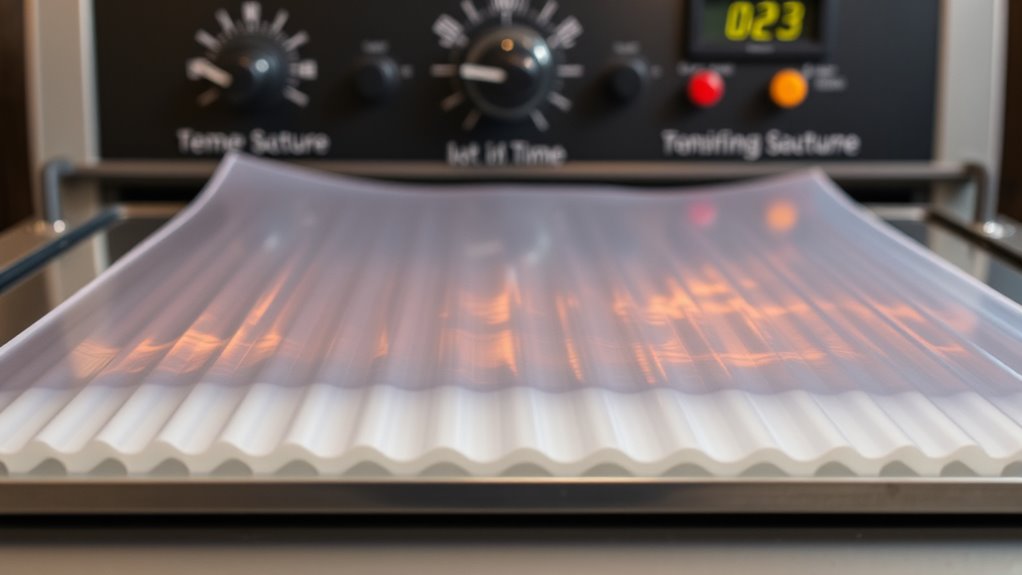
You’ve got to be careful because corrugated plastic reacts quickly to heat, making it easy to warp if you’re not precise. Controlling the temperature is tricky since too much heat can ruin the material, while too little won’t shape it properly.
Understanding these challenges is key to getting the best results.
Material Sensitivity To Heat
Because corrugated plastic reacts quickly to heat, pressing it requires extra care and attention. You need to understand its sensitivity to avoid damaging the material during the process. Here’s what you should keep in mind:
- Low melting point – Corrugated plastic can soften or melt if the temperature is too high.
- Thin walls – The hollow structure heats unevenly, increasing the risk of deformities.
- Thermal expansion – The material expands when heated, which can cause stress if not managed properly.
- Short heat exposure – Prolonged heat application can weaken the plastic and affect its durability.
Risk Of Warping
The heat sensitivity of corrugated plastic means applying pressure and temperature can easily cause the material to warp. When you press heat onto the plastic, the layers can soften unevenly, making parts of it bend or twist. This warping distorts your design and ruins the finished product’s appearance and function.
You’ll find that even slight variations in pressure or heat duration increase the risk. Because corrugated plastic has hollow channels, these areas are especially vulnerable to collapsing or deforming under heat and pressure. To avoid warping, you need to apply consistent, gentle pressure and avoid overheating.
Understanding this risk helps you handle the material carefully and improves your chances of a clean, professional result every time.
Temperature Control Challenges
Although corrugated plastic offers versatility, controlling temperature during heat pressing poses significant challenges. You need to balance enough heat to bond without melting or warping the material. Too much heat causes deformation, while too little heat won’t achieve a proper press.
Here are key temperature control challenges you’ll face:
- Uneven heat distribution can create hotspots, damaging certain areas.
- Corrugated plastic’s low melting point demands precise temperature settings.
- Heat press machines may have inaccurate or inconsistent temperature gauges.
- Varying thicknesses in the plastic affect how heat is absorbed and retained.
Preparing Corrugated Plastic for Heat Pressing
Before you start heat pressing corrugated plastic, you need to guarantee the material is clean and free of dust or debris. Any particles on the surface can affect adhesion and leave unwanted marks. Use a soft cloth or compressed air to remove dirt gently.
Next, cut your plastic to the desired size, ensuring edges are smooth to prevent uneven heat distribution. If your design requires, secure the material with heat-resistant tape to keep it from shifting during pressing. Also, consider preheating the plastic briefly to reduce moisture, which can cause bubbles or warping.
Taking these steps helps you achieve a smooth, professional finish and minimizes issues during the heat press process. Proper preparation ultimately saves you time and frustration.
Best Heat Press Settings for Corrugated Plastic
You’ll want to set your heat press to the most suitable temperature range to avoid warping or melting the corrugated plastic. Timing is just as important—too long, and the material can deform; too short, and the design won’t adhere properly.
Let’s explore the perfect temperature and pressing duration to get the best results.
Optimal Temperature Range
When heat pressing corrugated plastic, selecting the right temperature range guarantees strong adhesion without warping or melting the material. You want to aim for a temperature that’s hot enough to activate the adhesive but gentle enough to protect the plastic’s structure.
Here’s the ideal temperature range to follow:
- Set your heat press between 250°F and 300°F (120°C to 150°C).
- Avoid exceeding 300°F as higher heat risks melting or deforming the plastic.
- If you notice warping, lower the temperature slightly by 10°F increments.
- Always pre-test on a small piece to confirm the best setting for your specific material.
Sticking to these guidelines ensures you get a clean, durable bond every time.
Ideal Pressing Duration
How long should you press corrugated plastic to achieve the best results? Typically, aim for a pressing duration between 15 to 30 seconds. This range ensures the plastic softens enough to bond or imprint without warping or melting.
Pressing too briefly may result in a weak transfer, while pressing too long risks damaging the material’s structure. Always consider the thickness and type of corrugated plastic you’re working with; thicker sheets might need closer to 30 seconds, thinner ones less. Start with 20 seconds as a baseline, then adjust based on your heat press’s performance and your material’s response.
Common Problems and How to Avoid Warping or Melting
Although heat pressing corrugated plastic can produce vibrant and durable results, common issues like warping or melting often arise if you don’t carefully control temperature and pressure. To avoid these problems, you need to handle the process with precision.
Heat pressing corrugated plastic demands precise temperature and pressure control to prevent warping or melting.
Here are four key tips to prevent warping or melting:
- Use a lower temperature setting than you would for other plastics, typically around 250°F (121°C).
- Apply moderate pressure—too much crushes the material; too little won’t adhere properly.
- Limit pressing time to 10-15 seconds to avoid overheating.
- Always test on a scrap piece first to fine-tune your settings before working on your final project.
Following these steps will help you achieve clean, damage-free results every time.
Tips for Durable Results When Heat Pressing Corrugated Plastic
To make certain your heat-pressed corrugated plastic stands up to wear and tear, you’ll want to focus on proper material preparation and consistent technique. Always clean the surface thoroughly and test your heat press settings on a scrap piece first. Use a heat-resistant cover sheet to protect the plastic and apply even pressure to avoid uneven bonding.
Cooling the piece gradually also guarantees better adhesion and durability.
| Tip | Reason |
|---|---|
| Clean Surface | Removes dirt for better bond |
| Use Cover Sheet | Prevents direct heat damage |
| Apply Even Pressure | Ensures consistent adhesion |
Following these tips will help you achieve durable, professional results that last.
Alternative Ways to Apply Designs on Corrugated Plastic
Mastering heat pressing sets a solid foundation, but you might want to explore other methods to apply designs on corrugated plastic for different effects or convenience. These alternatives can offer unique textures, faster application, or less equipment hassle.
Here are four options to contemplate:
- Screen Printing – Ideal for bold, vibrant designs; it applies ink directly onto the surface for durability.
- Spray Adhesive and Stencils – Use stencils with spray adhesive and paint for quick, customizable patterns.
- Hand Painting – Perfect for one-of-a-kind, artistic touches with acrylic or enamel paints.
- Decoupage – Attach printed designs using glue and sealant, giving a glossy, decorative finish.
Trying these methods lets you tailor your approach to the project’s needs without relying solely on heat pressing.
Using Vinyl and Adhesive Transfers as Alternatives to Heat Pressing
When you want a quick and clean way to apply designs on corrugated plastic without heat pressing, vinyl and adhesive transfers offer excellent alternatives. You simply cut your design from vinyl sheets, weed out the excess, and use transfer tape to position it precisely on the plastic surface. Press firmly to guarantee good adhesion.
Adhesive transfers work similarly but come pre-printed with your design on a sticky backing, making application even easier. Both methods avoid heat, preserving the integrity of your corrugated plastic. Plus, they’re perfect for detailed graphics or lettering.
Just make sure the surface is clean and dry before applying. These options save time and reduce equipment needs while still delivering professional-looking results on your corrugated plastic projects.
When to Skip Heat Pressing and Try Other Options
Vinyl and adhesive transfers can be great alternatives, but there are times heat pressing just isn’t the best choice for your corrugated plastic projects. You should skip heat pressing when:
- Your corrugated plastic is thin or warped, risking damage from heat.
- The design requires fine details that heat pressing can’t accurately achieve.
- You want a quick turnaround without waiting for cooling or setting times.
- Your project involves multiple colors or layers that complicate heat pressing.
In these cases, vinyl decals or adhesive transfers offer more control and flexibility. They stick well without risking warping or melting, and you can apply them easily without specialized equipment.
Choosing the right method helps guarantee your project looks professional and lasts longer.
Final Thoughts on Working With Corrugated Plastic and Heat Pressing
Although heat pressing corrugated plastic offers strong, durable results, it’s not always the easiest or best method for every project. You’ll want to evaluate factors like material thickness, design complexity, and your equipment’s capabilities before deciding.
Knowing when to heat press and when to explore alternatives can save you time and frustration.
| Factor | Benefit of Heat Pressing | Alternative Approach |
|---|---|---|
| Material Type | Strong adhesion | Use adhesive vinyl |
| Design Detail | Precise, clean finish | Screen printing |
| Equipment | Quick, repeatable process | Hand application |
| Durability | Weather-resistant results | Lamination |
| Project Scale | Efficient for large batches | Single prints or small runs |
Keep these points in mind to get the best outcome with corrugated plastic.
Frequently Asked Questions
Can Corrugated Plastic Be Recycled After Heat Pressing?
Yes, you can recycle corrugated plastic after heat pressing, but it depends on the extent of heat damage. If it’s not overly warped or melted, recycling facilities usually accept it.
Always check local recycling guidelines first.
What Types of Designs Work Best on Corrugated Plastic?
Think of corrugated plastic as a blank canvas that loves bold, simple strokes. You’ll get the best results with high-contrast, large graphics and clear text, so your design pops like a lighthouse in foggy weather.
How Long Does a Heat-Pressed Design Last on Corrugated Plastic?
Your heat-pressed design on corrugated plastic can last several months to a year, depending on exposure to sunlight and weather.
To extend its life, keep it sheltered and avoid harsh cleaning chemicals that might fade or peel the design.
Can You Use a Standard Home Iron Instead of a Heat Press?
You can use a standard home iron, but it won’t deliver the consistent heat or pressure a heat press does. You’ll need patience and care to avoid melting or uneven transfers when working with corrugated plastic.
Is Corrugated Plastic Weather-Resistant After Applying Heat-Pressed Designs?
Yes, your heat-pressed designs on corrugated plastic are generally weather-resistant. However, to guarantee durability, you should use waterproof vinyl and seal the edges properly.
This helps your design withstand rain, sun, and outdoor conditions effectively.
Conclusion
You might think heat pressing corrugated plastic is straightforward, but it’s a delicate dance. Push too hard or too hot, and your design warps or melts. Yet, with the right touch, you can create striking results that stand out.
Before you jump in, weigh your options carefully—sometimes vinyl or adhesive transfers offer a safer, cleaner finish. The choice you make now will shape your project’s success. Are you ready to take the risk?
When considering how to heat press corrugated plastic, remember that precision and care are key. Proper technique ensures your design adheres well without damage. Ultimately, knowing how to heat press corrugated plastic effectively can make all the difference in your finished product.