Can You Heat Press Foam Board
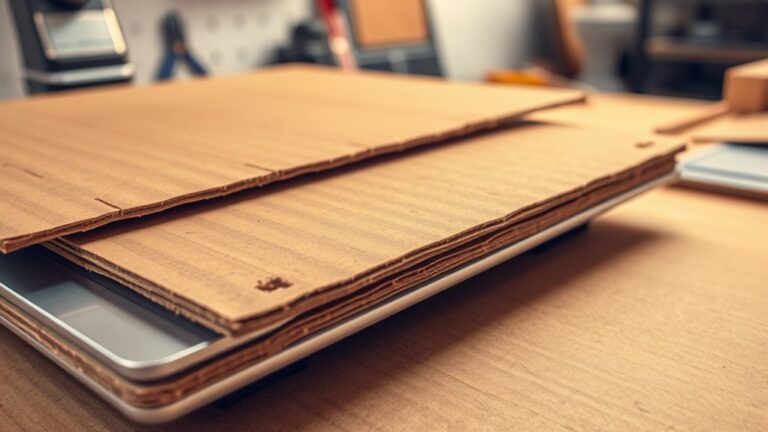
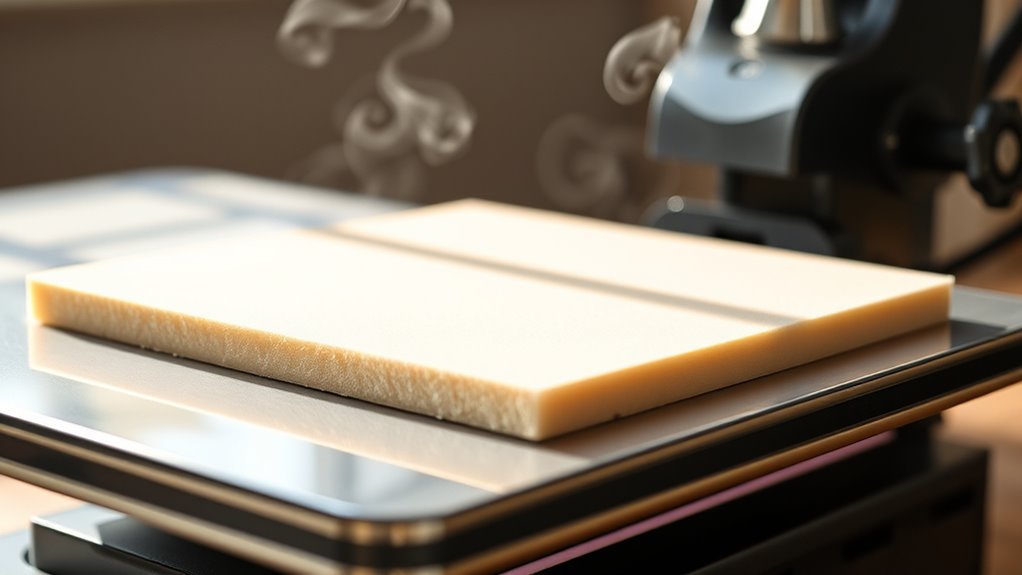
You can heat press foam board, but it requires careful attention to temperature, pressure, and time to avoid damaging the material. Foam board consists of a delicate foam core with outer layers that can warp or melt if exposed to excessive heat.
Using low heat between 250°F and 300°F is essential to protect its structure.
Apply gentle pressure during pressing and use protective barriers like Teflon sheets to prevent direct contact with the heat press. Keep the pressing time short, generally under 15 seconds, to minimize the risk of deformation.
Since foam board isn’t specifically designed for heat applications, you might also consider alternative methods for transferring designs. Exploring creative techniques can help achieve the best results without compromising the integrity of the foam board.
Key Takeaways
- Foam board is heat sensitive and can warp, melt, or discolor if exposed to high temperatures during heat pressing. Use low temperatures (250°F to 300°F) and short press times (10-15 seconds) with gentle pressure to minimize damage.
- Always place protective layers like Teflon sheets or parchment paper between the foam board and heat source. Heat pressing may not fully bond materials like heat transfer vinyl due to foam’s smooth, non-porous surface.
- Consider alternative non-heat transfer methods to preserve foam board integrity and avoid heat-related risks.
What’s Foam Board Made Of And How It Handles Heat
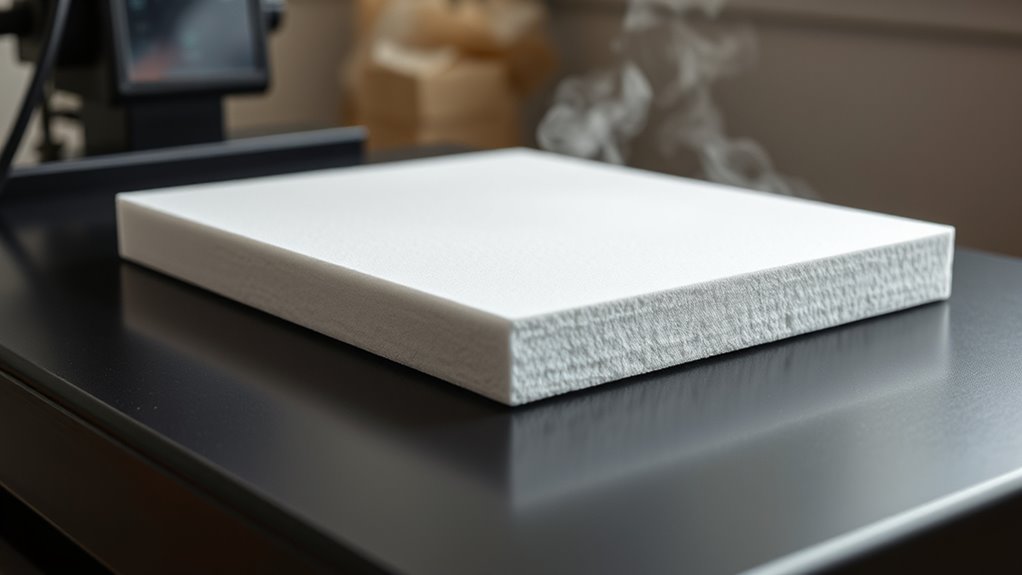
Although foam board looks sturdy, it’s primarily made of a lightweight foam core sandwiched between paper or plastic layers, which makes it sensitive to heat. When you expose foam board to high temperatures, the foam core can melt, warp, or even release harmful fumes. The outer layers may also discolor or peel away if heated excessively.
Because it’s designed for lightweight support and presentation, foam board isn’t built to withstand intense or prolonged heat exposure. You’ll find it reacts differently depending on the type of foam and facing materials, so some foam boards handle warmth better than others. Knowing this composition helps you understand why applying heat directly can compromise its structure and appearance.
You need to be cautious when working with it around heat sources.
Can You Use A Heat Press Safely On Foam Board?
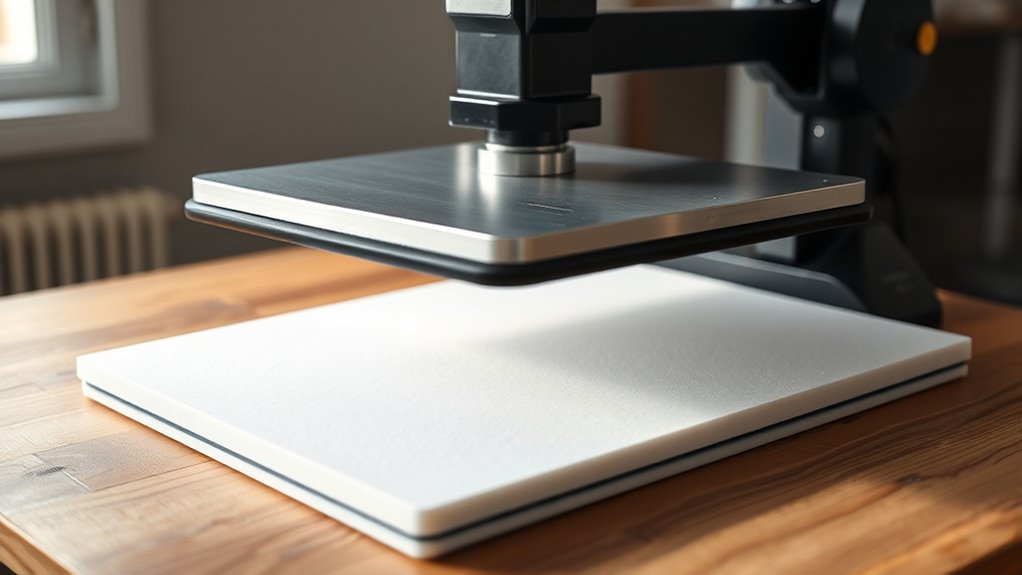
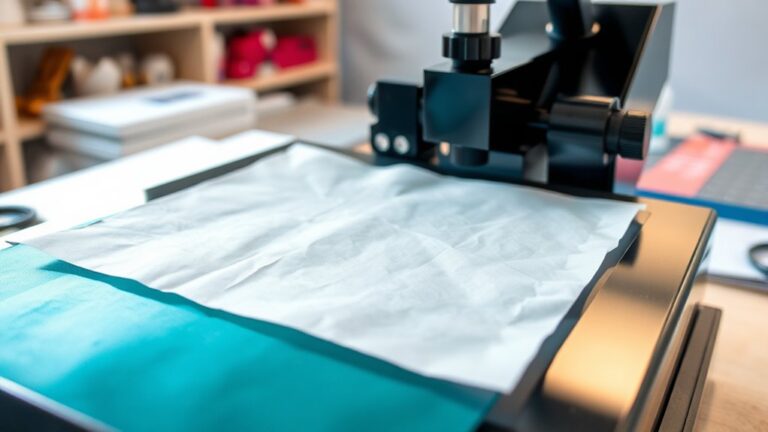
Since foam board isn’t designed to handle high heat, using a heat press on it requires extra care to avoid damaging the material. You should always use the lowest possible temperature setting and limit the pressing time to prevent warping or melting. Placing a protective sheet, like parchment paper or a Teflon sheet, between the heat press and the foam board can help distribute heat evenly and minimize direct contact.
Make sure to test on a scrap piece first to see how the foam board reacts. Avoid applying excessive pressure, as this can crush the foam core. By controlling heat, time, and pressure carefully, you can use a heat press on foam board more safely, but always proceed cautiously to protect your project.
What Happens To Foam Board When Heated
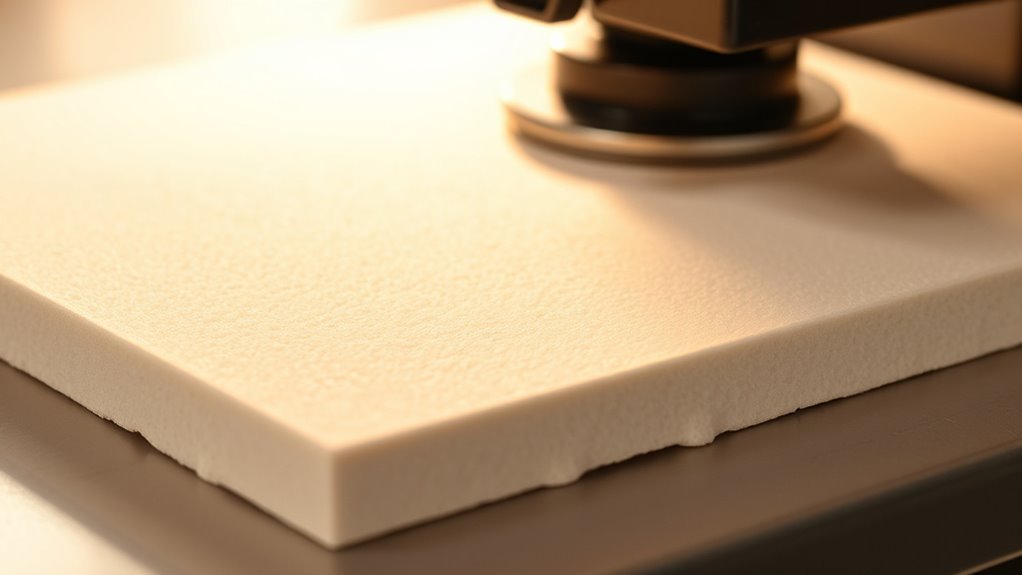
When you heat foam board, it reacts quickly to the temperature, showing its heat sensitivity. The structure can warp or soften, changing its shape under pressure. You’ll also notice how the surface texture responds, which can affect your final result.
Foam Board Heat Sensitivity
If you apply heat to foam board, you’ll quickly notice it reacts in ways that can damage its structure. The foam core is sensitive to temperature changes, leading to softening, warping, or melting if overheated. Even moderate heat can cause surface bubbling or discoloration.
Understanding these sensitivities helps you avoid ruining your board during heat pressing.
| Temperature Range | Effect on Foam Board | Time Exposure Impact |
|---|---|---|
| Below 100°F | Safe, no visible changes | Unlimited exposure |
| 100°F – 150°F | Softening begins | Prolonged exposure causes warping |
| 150°F – 200°F | Surface bubbling/discoloration | Short exposure causes damage |
| Above 200°F | Melting and structural failure | Immediate and severe damage |
Always monitor temperature closely to prevent damage.
Structural Changes Under Heat
Understanding how foam board changes structurally under heat helps you handle it properly during heat pressing. When you apply heat, the foam core inside the board begins to soften and expand. This expansion can cause warping or bubbling if the temperature gets too high or the heat is applied for too long.
The outer paper layers may also lose their rigidity, making the board more flexible but less stable. If the heat surpasses the foam’s melting point, it can collapse or deform permanently, ruining your project. You’ll want to carefully control both temperature and pressing time to avoid these structural shifts.
Surface Impact From Pressing
Although foam board offers unique benefits, the surface reacts noticeably to heat pressing. When you apply heat and pressure, the outer layers can soften and lose their smooth finish. This often results in warping, bubbling, or indentations, especially if the temperature or pressing time is too high.
You might also notice discoloration or shiny patches where the heat concentrated. Since foam board’s surface is relatively thin, it doesn’t withstand direct heat well, making it prone to damage. To avoid ruining your project, you’ll want to use a protective barrier or lower heat settings.
Understanding these effects helps you control the process better and prevents unwanted marks or deformations on your foam board’s surface.
Optimal Heat Press Temperature And Time For Foam Board
When you heat press foam board, selecting the right temperature and duration is essential to avoid warping or damaging the material. Generally, keep the temperature between 250°F and 300°F (121°C to 149°C). This range is hot enough to transfer designs effectively but low enough to protect the foam core.
Press the board for about 10 to 15 seconds, applying even pressure. Going beyond this time or temperature can cause the foam to melt or deform. Always test on a scrap piece first to fine-tune settings for your specific foam board type and heat press model.
Common Foam Board Heat Pressing Problems And Fixes
If you’re new to heat pressing foam board, you might run into issues like warping, bubbling, or incomplete transfers. Warping usually happens when the temperature or pressure is too high—lower both slightly and try again. Bubbling often results from moisture trapped between the transfer and the board; make sure the surface is clean and dry before pressing.
Incomplete transfers can occur if the time or heat is insufficient, so increase the pressing time by a few seconds or raise the temperature slightly. Also, uneven pressure can cause these problems, so guarantee your heat press applies consistent force. If you notice any residue sticking to the board, use a Teflon sheet as a protective barrier.
Adjusting these variables will help you achieve crisp, smooth results every time.
How To Test Heat Press On Foam Board
Mastering the common issues in heat pressing foam board sets the stage for effective testing. To test your heat press, start by selecting a small, inconspicuous foam board piece. Set your heat press to a low temperature, around 250°F, and use light pressure to avoid damaging the foam.
Place a protective sheet, like parchment paper, between the foam and the heat source. Press for 5-10 seconds, then carefully check for any warping, melting, or discoloration. If the board stays intact, you can gradually increase temperature or time in small increments, testing each time.
Always allow the foam board to cool fully before evaluating the results. This careful, step-by-step approach helps you find the most effective settings without ruining your material.
Does Heat Transfer Vinyl (HTV) Work On Foam Board?
You might find that HTV doesn’t stick well to foam board because its surface isn’t designed for strong adhesion. Applying too much heat can damage the foam, while too little won’t properly bond the vinyl.
Let’s explore how these heat press temperature challenges affect your results.
HTV Adhesion Challenges
Although heat transfer vinyl (HTV) offers vibrant, durable designs on many surfaces, it struggles to adhere properly to foam board. You’ll find the smooth, non-porous surface of foam board resists the adhesive backing of HTV, causing peeling or incomplete bonding. Additionally, the foam’s heat sensitivity can lead to warping or melting during pressing.
Here are key challenges you’ll face:
- Poor Adhesion: HTV’s glue doesn’t bond well with foam’s slick surface.
- Heat Sensitivity: Foam board can deform under typical heat press temperatures.
- Surface Texture: The slight flexibility and porous interior of foam board reduce contact.
- Durability Issues: Even if applied, HTV may lift over time due to foam’s structure.
You’ll need special techniques or materials to overcome these obstacles effectively.
Heat Press Temperature Effects
Since foam board is sensitive to heat, applying the right temperature during heat pressing becomes critical when working with HTV. Too much heat can warp or melt the foam, ruining your project. You’ll want to keep the temperature low, typically between 250°F and 270°F, depending on your HTV brand’s recommendations.
Press for a shorter time, around 5 to 10 seconds, to avoid damaging the foam. Using a protective sheet between the heat press and foam board can help distribute heat evenly and prevent scorching. Remember, HTV may not fully bond to foam’s smooth surface, so test small areas first.
Adjusting temperature carefully guarantees you get the best results without sacrificing the foam board’s integrity.
How To Protect Foam Board During Heat Pressing
When applying heat to foam board, protecting its surface is essential to prevent warping or melting. You want to create a barrier between the heat source and the foam to maintain its shape and integrity.
Here are four ways to protect your foam board during heat pressing:
- Use a Teflon sheet or parchment paper to shield the foam from direct heat.
- Place a thin silicone mat between the heat press and foam for even heat distribution.
- Lower the heat press temperature and increase pressing time to reduce thermal stress.
- Apply gentle pressure to avoid compressing or deforming the foam board.
Alternative Ways To Transfer Designs Onto Foam Board
If you want to avoid the risks that heat pressing can pose to foam board, you can explore several alternative methods to transfer your designs. One popular approach is using graphite paper; simply place it between your design and the foam board, then trace over the image to transfer the outline.
Another option is to print your design on regular paper, apply a light coat of spray adhesive on the back, and carefully stick it onto the foam board. You can also try hand-painting or drawing your design directly onto the foam board with permanent markers or acrylic paints for more control.
These methods help you avoid heat damage while still achieving clean, precise transfers onto your foam board.
Creative Foam Board Projects That Don’t Need Heat Pressing
Avoiding heat pressing doesn’t mean you have to limit your creativity with foam board. You can explore plenty of projects that bring out its versatility without needing any heat tools. Here are some ideas to get you started:
- Custom Wall Art – Cut shapes or letters and paint them for unique décor.
- 3D Models – Assemble foam board pieces into architectural models or figurines.
- Photo Frames – Design lightweight, personalized frames with layered foam board.
- Pinboards – Create colorful bulletin boards by covering foam board with fabric or paper.
These projects let you experiment with textures, colors, and layering, all without applying heat.
Frequently Asked Questions
Can Foam Board Be Recycled After Heat Pressing?
You usually can’t recycle foam board after heat pressing because the heat alters its structure. It often becomes less recyclable or non-recyclable, so you’ll want to check local guidelines before tossing it in your recycling bin.
What Tools Are Best for Cutting Foam Board Before Heat Pressing?
Measure twice, cut once. You’ll want a sharp utility knife or a hot wire cutter for clean, precise cuts.
A metal ruler helps guide your blade, ensuring smooth edges before you heat press your foam board.
How Long Does Foam Board Last When Used in Outdoor Displays?
Foam board lasts about 6 to 12 months outdoors, depending on weather exposure.
You’ll want to protect it from moisture and direct sunlight to extend its life.
Using a sealant can help you preserve it longer.
Are There Specific Brands of Foam Board Better for Crafting?
Oh, absolutely—because all foam boards are just *the same*, right? Actually, you’ll find brands like Elmer’s and Crescent offer sturdier, smoother surfaces that make your crafting easier and results way more professional.
Choose wisely!
Can You Paint Foam Board After Heat Pressing Designs?
Yes, you can paint foam board after heat pressing designs. Just make sure the board has cooled completely and use acrylic or foam-safe paint to avoid damaging the surface or your heat-pressed design.
Conclusion
You might think heat pressing foam board is simple, but it’s tricky—foam can warp or melt quickly. For example, Sarah tried pressing a vinyl design at 320°F for 15 seconds and ended up with a bubbled mess. Instead, keep temps low and time short, or use protective layers.
If heat pressing feels risky, consider painting or adhesive vinyl for stunning foam board crafts without the heat hassle. You’ve got plenty of creative options! When working with foam board, always prioritize caution to avoid damage.
In conclusion, while you can heat press foam board, it requires careful temperature and timing control. For the best results, explore alternative methods like adhesive vinyl or painting to create beautiful foam board projects.