Can You Use a Heat Press for Sublimation
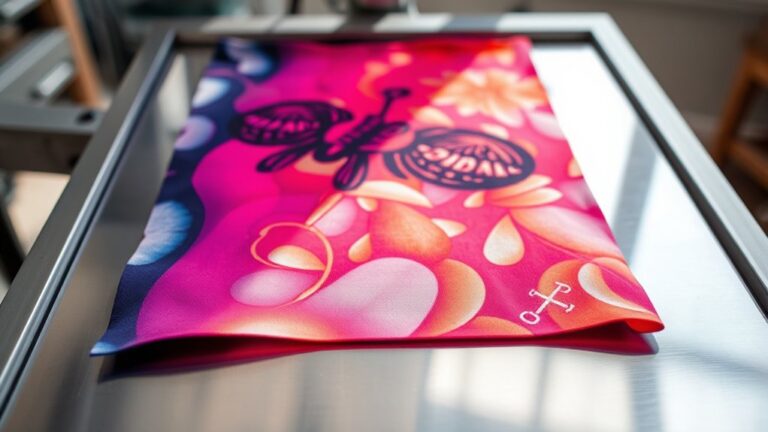
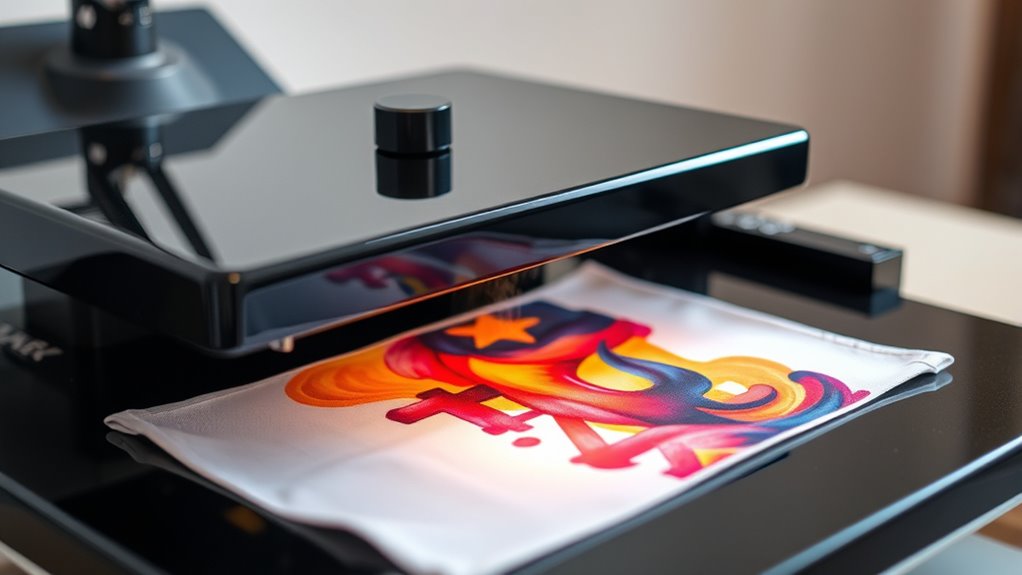
Yes, you can use a heat press for sublimation to create vibrant, durable prints on polyester fabrics and coated items like mugs and tiles. Heat press sublimation is a popular method because it offers precise control over temperature, pressure, and timing.
This ensures even heat distribution for perfect dye bonding on various substrates.
A heat press must reach the right settings and suit your project’s size and material for optimal results.
Mastering these details will help you avoid common mistakes and achieve professional-quality prints.
With practice, heat press sublimation can produce stunning, long-lasting designs that stand out.
Key Takeaways
- A heat press can be used for sublimation if it provides consistent high temperatures (375°F–400°F) and even pressure.
- Clamshell and swing-away heat presses are ideal for sublimation due to their even heat distribution and adjustable pressure.
- Sublimation requires polyester or polymer-coated materials to ensure dye bonding and vibrant, durable transfers.
- Precise control of temperature, time, and pressure is essential for clear, long-lasting sublimation prints.
- Regular maintenance and calibration of the heat press prevent uneven heating and poor transfer quality.
Is a Heat Press the Right Tool for Sublimation Printing?

While you might be tempted to try other methods, a heat press is actually the best tool for sublimation printing because it provides consistent temperature and pressure. You need these elements to guarantee the dye properly bonds with your substrate, creating vibrant, durable prints. Unlike regular irons or other heat sources, a heat press offers even heat distribution, which prevents blotchy or uneven results.
Plus, you can control the time and pressure settings precisely, allowing you to customize the process for different materials. If you want reliable, professional-quality sublimation prints, a heat press gives you that control. It also speeds up the process compared to manual methods, making your workflow more efficient without sacrificing quality.
How Does Sublimation Printing Work With a Heat Press?

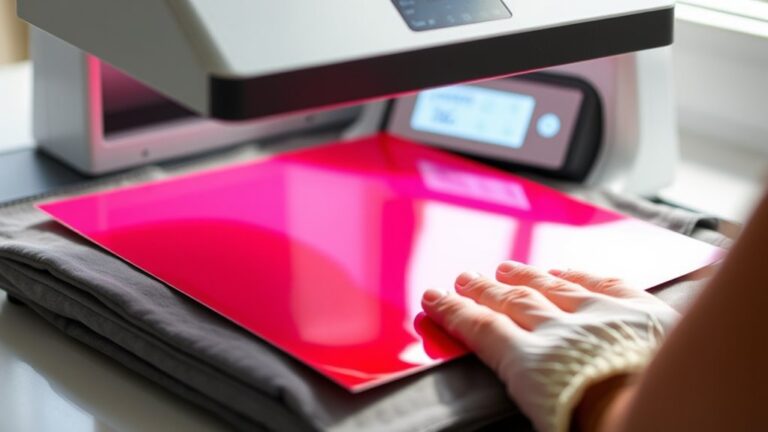
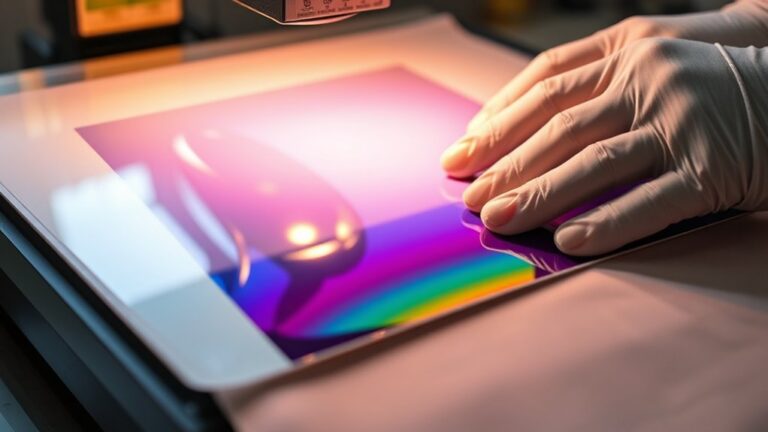
Because sublimation printing relies on heat to transfer dye into the material, using a heat press is essential for achieving vibrant and lasting results. When you place your sublimation paper on the substrate and apply heat and pressure with the heat press, the dye on the paper turns into gas without passing through a liquid stage. This gas penetrates the fibers of the material, embedding the design permanently.
The heat press guarantees consistent temperature and pressure, which helps the dye bond properly with polyester or polymer-coated surfaces. Without a heat press, you wouldn’t get the necessary uniform heat and pressure, leading to dull or uneven prints. So, the heat press controls the critical factors that make sublimation printing work effectively and produce high-quality, durable images.
Which Types of Heat Presses Work Best for Sublimation?

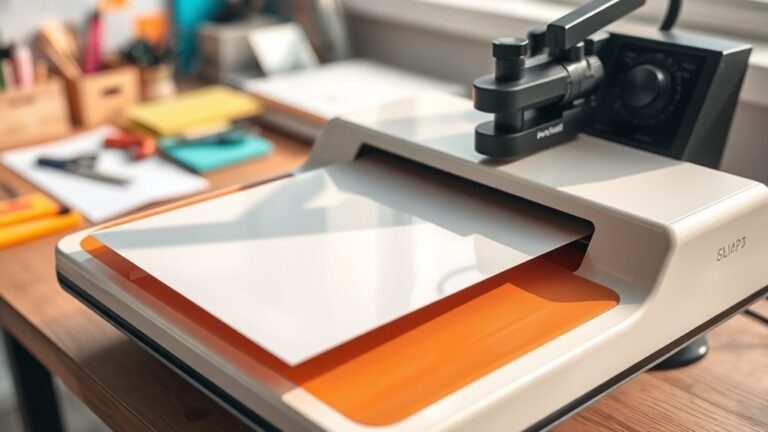
Selecting the right heat press can make a big difference in your sublimation results. For the best outcomes, you’ll want a heat press that offers consistent, even heat distribution and precise temperature control. Clamshell and swing-away presses are popular choices because they provide good pressure and allow you to position your substrate easily.
A heat press with a digital timer and adjustable pressure settings will help you maintain accuracy throughout the process. Larger platen sizes give you flexibility for various project sizes, but choose one that fits your workspace and typical projects. Avoid heat presses with uneven heating or poor pressure control, as they can cause patchy transfers.
Can You Use a Regular Heat Press for Sublimation?
You can use a regular heat press for sublimation if it meets key compatibility factors like temperature and pressure settings. Make sure your press can reach the high heat needed without causing damage.
Also, consider whether the materials you’re using are suitable for sublimation with your specific heat press.
Heat Press Compatibility Factors
When considering whether a regular heat press can handle sublimation, you’ll want to focus on a few key compatibility factors. Not every heat press is built the same, so checking these aspects guarantees your sublimation projects turn out great.
Here’s what to look for:
- Temperature Range: Can it reach and maintain the high temperatures sublimation needs?
- Even Heat Distribution: Does it heat evenly to avoid blotchy prints?
- Pressure Control: Is the pressure adjustable for different substrates?
- Platen Size: Is the heat platen large enough for your project scale?
- Heat Platen Material: Does the platen surface allow smooth paper and fabric contact without sticking?
These factors help you decide if your regular heat press can double as a sublimation machine.
Temperature And Pressure Settings
Understanding the right temperature and pressure settings can make or break your sublimation results, especially if you’re using a regular heat press. Typically, sublimation requires temperatures between 375°F to 400°F and medium to firm pressure. Your heat press should maintain steady heat without fluctuations to guarantee vibrant, durable prints.
Avoid too much pressure, which can cause the ink to bleed or the substrate to deform. Conversely, too little pressure might lead to incomplete transfers and faded images. Since regular heat presses vary, test your settings with scrap material before committing to your final piece.
Adjust the time, usually around 45 to 60 seconds, based on your heat press’s performance. Mastering these settings ensures your sublimation transfers come out crisp and consistent every time.
Material Suitability For Sublimation
Although a regular heat press can handle the temperature and pressure requirements for sublimation, the key lies in choosing the right materials. Sublimation works best on polyester or polymer-coated surfaces because the dye bonds chemically with these fibers.
If you use cotton or untreated materials, the colors won’t transfer properly and may fade quickly.
To get the best results, focus on materials like:
- Polyester fabrics (t-shirts, sportswear)
- Polymer-coated mugs and drinkware
- Sublimation-friendly phone cases
- Aluminum sheets with polymer coating
- Ceramic tiles with a sublimation coating
Using these guarantees vibrant, durable prints. So, while your regular heat press is ready, make sure your materials are too!
Which Materials Work Best With Heat Press Sublimation?
Since sublimation relies on dye bonding with polyester fibers, you’ll get the best results on materials with a high polyester content. Fabrics with at least 65% polyester, such as performance shirts or polyester blends, work great because the dye bonds well and produces vibrant, long-lasting colors. White or light-colored materials are ideal since sublimation inks are transparent and won’t show up on dark surfaces.
Besides fabrics, coated items like ceramic mugs, metal sheets, and specially coated phone cases also handle sublimation well with a heat press. Avoid natural fibers like cotton, as they don’t bond with the dye, resulting in dull or faded prints. Sticking to polyester-rich or specially coated materials guarantees your sublimation projects turn out sharp and colorful every time.
How to Set the Right Temperature, Time, and Pressure for Sublimation
Once you’ve chosen the right materials for sublimation, the next step is dialing in the correct temperature, time, and pressure settings on your heat press. Getting these settings right guarantees vibrant, long-lasting prints. Typically, you’ll want to:
Choosing the right heat press settings ensures vibrant, durable sublimation prints every time.
- Set the temperature between 375°F and 400°F (190°C–204°C) depending on your substrate.
- Adjust pressing time from 30 to 60 seconds, balancing exposure and material sensitivity.
- Apply medium pressure—enough for good contact without damaging the item.
- Preheat your substrate briefly to remove moisture and avoid ghosting.
- Test on a sample piece before final pressing to fine-tune your settings.
How to Prepare Your Design and Transfer Paper for Sublimation
How do you get your design ready for sublimation? Start by creating or selecting a design that suits your project. Use software that supports mirrored printing because you’ll need to flip your image horizontally before printing.
This guarantees it transfers correctly onto your substrate. Next, choose sublimation transfer paper compatible with your printer and ink. Print your design using sublimation ink on the transfer paper, making sure the print is vibrant and clear.
Before pressing, trim excess paper to avoid unwanted ink marks. Keep your transfer paper and design clean and dry to prevent smudging or fading during heat pressing. By preparing your design and transfer paper properly, you set yourself up for a crisp, vibrant sublimation print that lasts.
Common Heat Press Mistakes That Ruin Sublimation Prints
If you don’t set the right temperature, your sublimation prints can come out faded or uneven. You also need to apply enough pressure to transfer the design properly, or the colors won’t stick well.
Avoiding these common heat press mistakes will help you get the best results every time.
Incorrect Temperature Settings
Although heat press machines offer precise temperature controls, using incorrect settings can quickly ruin your sublimation prints. If the temperature is too low, your design won’t transfer fully, resulting in faded or patchy colors. Too high, and you risk scorching the substrate or causing colors to blur.
To avoid these pitfalls, always double-check the recommended temperature for your materials and adjust accordingly.
Watch out for these common temperature mistakes:
- Setting the heat press too low to “save time”
- Overcompensating with higher temps for faster results
- Ignoring variations between different fabrics or coatings
- Failing to let the press reach the set temperature before starting
- Skipping regular calibration of your heat press machine
Getting your temperature right guarantees vibrant, lasting sublimation prints every time.
Insufficient Pressure Application
When you don’t apply enough pressure during sublimation, the ink won’t properly bond with the substrate, resulting in dull or incomplete transfers. You need consistent, firm pressure to guarantee the heat and ink transfer evenly. If the pressure is too light, parts of your design may appear faded or patchy.
Adjust your heat press so the platen presses down firmly across the entire item. Check for uneven surfaces or thick seams that might prevent full contact. Remember, each material may require slightly different pressure settings, so test on a scrap piece before your final press.
Applying sufficient pressure assures crisp, vibrant prints and prevents wasted materials and frustration. Don’t underestimate pressure—it’s just as essential as temperature and time for flawless sublimation results.
How to Maintain Your Heat Press for Consistent Sublimation
To keep your heat press working smoothly and deliver vibrant sublimation prints, you need to perform regular maintenance. Neglecting upkeep can lead to uneven heat, pressure issues, and faded colors. Here’s what you should do:
Regular maintenance is essential to ensure your heat press operates smoothly and produces vibrant sublimation prints.
- Clean the heat platen after every use to remove ink and residue.
- Check and calibrate the temperature regularly to guarantee accuracy.
- Inspect pressure settings before each project, adjusting as needed.
- Lubricate moving parts occasionally to prevent stiffness and wear.
- Replace worn-out silicone pads or Teflon sheets to maintain even heat distribution.
Following these steps keeps your heat press in top shape, ensuring consistent, high-quality sublimation results every time you work.
When to Choose Alternatives to Heat Press Sublimation
You’ll want to explore alternatives to heat press sublimation when your material isn’t compatible, like certain fabrics or surfaces that don’t hold sublimation ink well. Complex designs with multiple colors or fine details can also be tricky to achieve perfectly with a heat press.
Exploring other methods can help you get the results you’re aiming for without compromise.
Material Compatibility Issues
Although heat press sublimation works well with many materials, it’s not the best choice for all surfaces. You’ll face compatibility issues if the material can’t withstand high heat or lacks a polymer coating needed for sublimation ink to bond. For example, natural fibers like cotton won’t hold sublimation colors effectively without treatment.
You should also avoid heat pressing on materials that are heat-sensitive or prone to warping.
Consider alternatives when working with:
- Cotton or untreated natural fabrics
- Wood without special coatings
- Metal surfaces not designed for sublimation
- Glass lacking a polymer coating
- Heat-sensitive plastics or vinyl
Knowing when to choose substitutes helps you avoid ruined projects and ensures vibrant, lasting designs.
Design Complexity Limits
When your design involves intricate details or multiple colors, heat press sublimation might not deliver the precision you need. Heat presses apply heat and pressure evenly, but they can struggle with very fine lines or small text, causing slight blurring or bleeding. If your design demands sharp edges or vibrant color gradients, you might find the results less than perfect.
In these cases, consider alternatives like laser printing on specialized materials or direct-to-garment (DTG) printing, which handle complexity better. Also, some advanced sublimation printers paired with different heat application methods can improve accuracy. Ultimately, if your project requires flawless detail and color fidelity, choosing a method beyond heat press sublimation will save you time and frustration while ensuring professional-quality results.
How to Fix Faded or Blurry Sublimation Prints
Why do your sublimation prints sometimes come out faded or blurry? It usually boils down to heat, time, or pressure issues with your heat press. To fix this, you need to fine-tune your process.
Here’s what you should check:
- Make sure your heat press temperature matches the substrate’s requirements—too low causes fading.
- Adjust the pressing time; too short won’t transfer the ink fully.
- Apply firm, even pressure to avoid blurry results.
- Use fresh sublimation ink and high-quality paper to prevent dull colors.
- Verify your design’s resolution; low-res images often print blurry.
Frequently Asked Questions
Can Sublimation Be Done on Dark-Colored Fabrics With a Heat Press?
You can’t sublimate directly on dark fabrics with a heat press because sublimation inks are transparent. Instead, you’ll need a special white polyester coating or use transfer paper designed for dark materials to get vibrant results.
How Long Does a Heat Press Typically Last With Frequent Sublimation Use?
You can expect a heat press to last around 5 to 7 years with frequent sublimation use if you maintain it properly. Regular cleaning and calibration will keep it working efficiently and extend its lifespan considerably.
Proper maintenance includes checking the heating elements and replacing worn parts promptly. This ensures consistent heat distribution and pressure.
Avoiding overheating and using the press within recommended settings also helps prevent damage. With good care, your heat press can serve you well for many years.
Is It Safe to Use a Heat Press for Sublimation at Home?
Yes, it’s safe to use a heat press for sublimation at home as long as you follow safety guidelines, like using heat-resistant gloves, working in a well-ventilated area, and keeping the press on a stable surface to avoid accidents.
Do Sublimation Inks Require Special Storage After Using a Heat Press?
Wondering how to keep your vibrant colors fresh? Yes, sublimation inks need special storage—keep them in a cool, dark place and tightly sealed to prevent drying out or fading after using your heat press.
Don’t skip this!
Can You Use a Heat Press for Sublimation on Curved Surfaces?
You can use a heat press for sublimation on curved surfaces, but you’ll need a specialized platen or attachment designed for curves. Without it, uneven pressure may cause poor transfer or distortion of your design.
Conclusion
So, can you use a heat press for sublimation? Absolutely—but only if you choose the right one and handle it with care. Remember, your heat press is like an artist’s brush; the better your tool, the sharper your masterpiece.
Avoid common pitfalls, pick compatible materials, and keep your press in top shape. When done right, your sublimation prints will pop with vibrant, lasting color every time.
Ready to press your creativity? Using a heat press for sublimation is the key to achieving professional-quality, durable prints that truly stand out.