Can You Heat Press Polyurethane Jacket
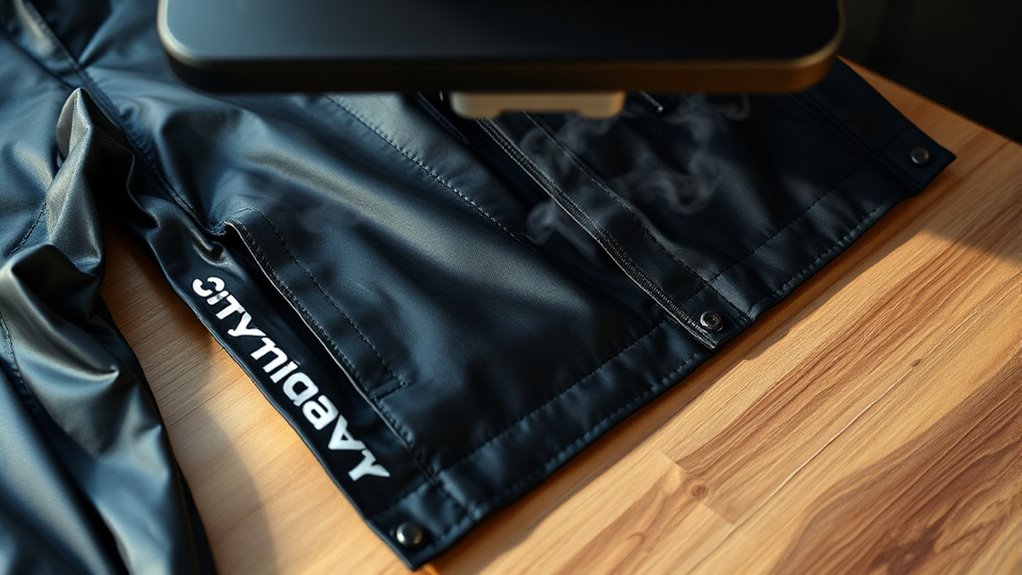
You can heat press a polyurethane jacket safely by setting your press to around 270°F (132°C) and pressing for only 5-10 seconds with gentle, even pressure. Heat pressing polyurethane jackets requires careful temperature control to avoid melting or damaging the material.
Using the right technique ensures your jacket remains in great condition while applying designs or transfers. Always use protective sheets like Teflon to avoid direct heat contact, and turn the jacket inside out to protect its surface.
Choose flexible, low-temperature transfer materials and test on a small area first to prevent damage. If you want to guarantee your jacket stays flawless and lasts, there’s more to take into account before and after pressing.
Proper handling and cooling methods can extend the life of your heat-pressed polyurethane jacket.
Key Takeaways
- Heat pressing polyurethane jackets is possible but requires low temperatures around 270°F (132°C) to avoid melting or surface damage. Use protective sheets like Teflon or parchment paper and apply gentle, even pressure for only 5-10 seconds.
- Always test heat press settings and transfer materials on small, hidden areas before full application to prevent damage. Avoid pressing over zippers, buttons, or textured areas to maintain the jacket’s integrity and appearance.
- Post-press, allow the jacket to cool fully and avoid prolonged sunlight exposure to preserve its durability and finish.
Can You Safely Heat Press a Polyurethane Jacket?
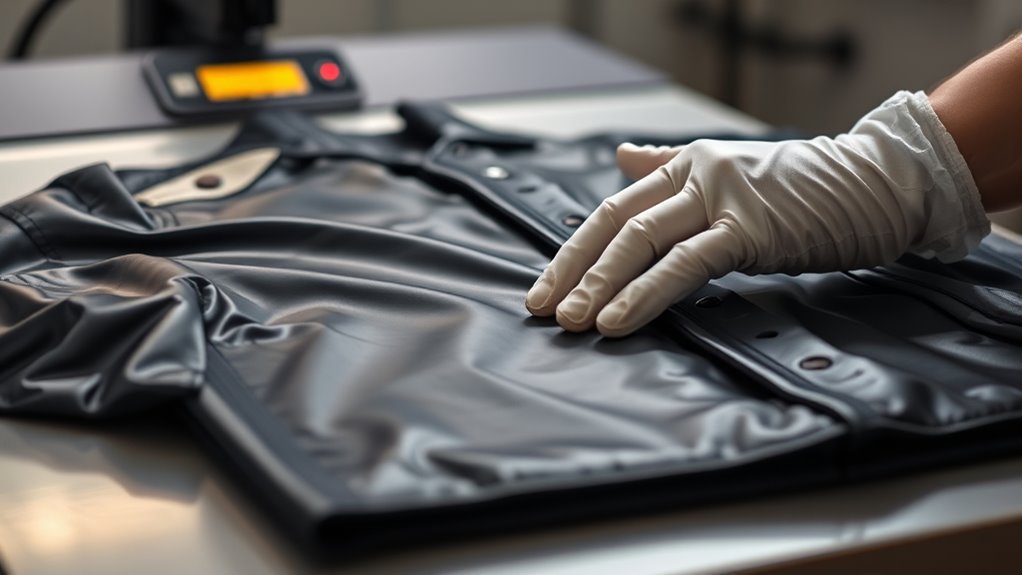
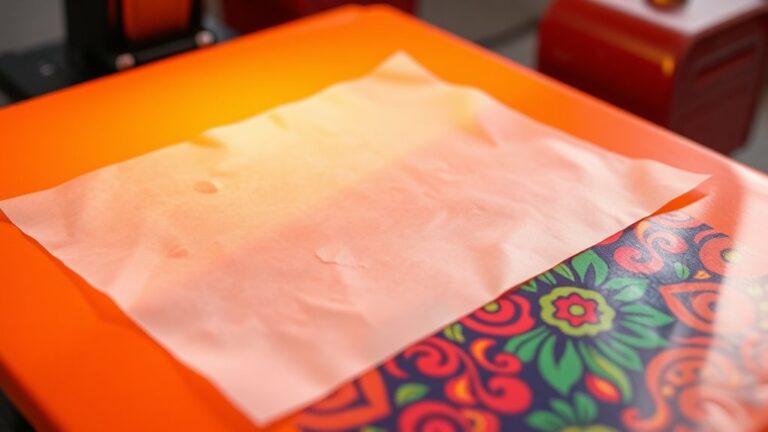
You can safely heat press a polyurethane jacket, but you need to be cautious with temperature and timing. Start by setting your heat press to a lower temperature, typically around 270°F (132°C), to avoid damaging the material. Use a protective sheet, like a Teflon or parchment paper, between the heat press and the jacket to prevent direct contact.
Press for a short duration, usually 5 to 10 seconds, and avoid applying excessive pressure. Always test on a small, inconspicuous area first to check how the jacket reacts. By controlling these variables, you can apply heat safely without warping or melting the polyurethane.
Why Polyurethane Jackets Are Heat Sensitive
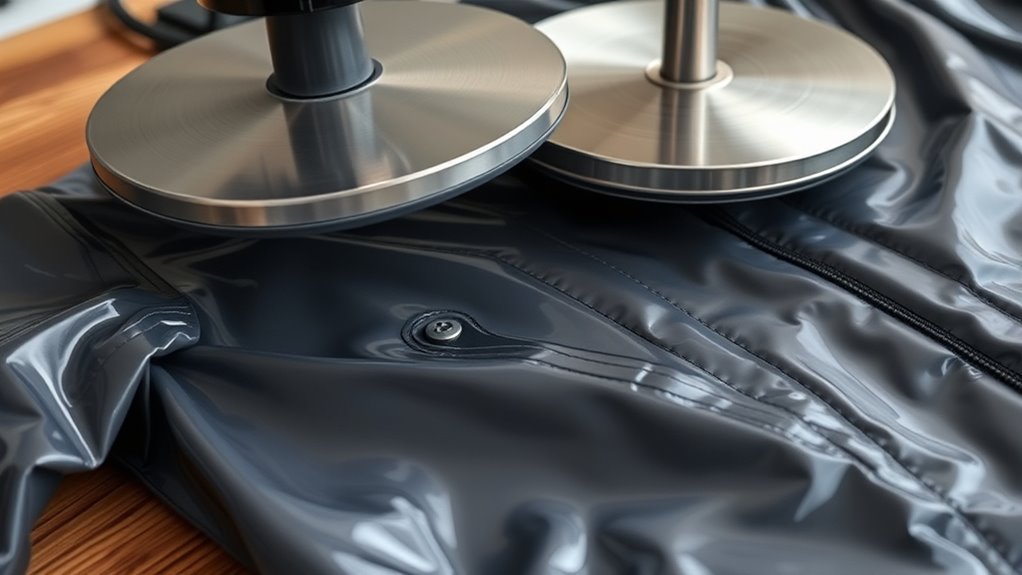
Because polyurethane is a synthetic material made from plastic polymers, it reacts quickly to heat, which can cause it to warp, melt, or lose its finish. When you apply heat to a polyurethane jacket, the plastic components soften, compromising the jacket’s texture and durability.
You need to understand this sensitivity to avoid damaging your jacket during heat pressing. Below is a quick overview of why polyurethane jackets are heat sensitive:
| Reason | Effect on Jacket |
|---|---|
| Plastic polymer base | Softens and warps easily |
| Heat exposure duration | Prolonged heat causes melting |
| Surface finish | Can crack or peel |
Knowing these factors helps you handle your polyurethane jacket carefully when applying heat.
What Temperature Settings Work Best for Heat Pressing Polyurethane
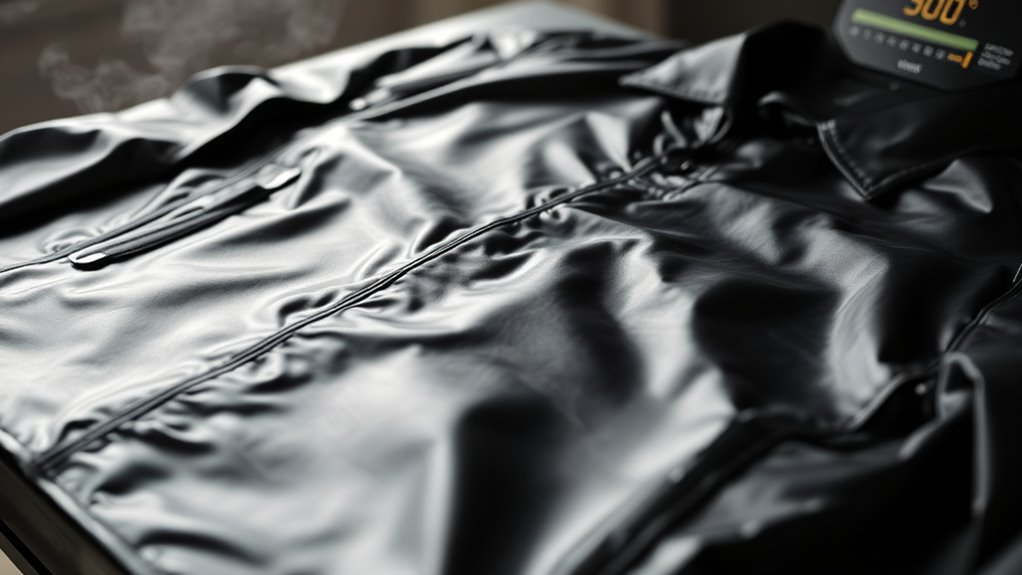
Although polyurethane jackets are sensitive to heat, you can still heat press them effectively by carefully controlling the temperature settings. Aim for a low to moderate heat range, typically between 270°F to 300°F (130°C to 150°C). Going higher risks melting or warping the material, so it’s best to stay within this safe zone.
Use a short pressing time—around 10 to 15 seconds—to avoid overheating. Always apply gentle, even pressure to prevent damaging the jacket’s surface. Remember, every heat press machine varies, so test on a small, inconspicuous area first to find the ideal setting.
How to Prepare Your Polyurethane Jacket for Heat Press
Before heat pressing your polyurethane jacket, it’s essential to prepare it properly to guarantee the best results and prevent damage. Start by cleaning the jacket thoroughly to remove dirt, oils, or residues that could interfere with the heat press. Use a gentle detergent and let it air dry completely.
Next, turn the jacket inside out to protect the outer surface from direct heat. Place a protective sheet, like a Teflon or parchment paper, over the area you plan to press. This shield prevents sticking and scorching.
Make sure your heat press is preheated to the recommended temperature before applying the jacket. Finally, avoid pressing over zippers or buttons, as they can cause uneven pressure and damage both the garment and the heat press.
Picking Heat Press Transfer Materials That Work With Polyurethane
When choosing heat press transfer materials for your polyurethane jacket, you need to prioritize flexibility and heat resistance to avoid damaging the fabric. Look for vinyl or transfer films labeled as compatible with synthetic or heat-sensitive materials. Stretchable heat transfer vinyl (HTV) works well because it moves with the jacket without cracking.
Avoid rigid or thick materials that can cause bubbles or peeling. You’ll also want to pick materials that require lower pressing temperatures, typically below 320°F, since polyurethane can melt or warp at higher heat. Additionally, opt for transfer papers or films that produce a durable bond without heavy pressure.
Testing a small scrap or inconspicuous area first can help *guarantee* your chosen material adheres properly and maintains the jacket’s look and feel.
Step-by-Step Guide to Heat Pressing a Polyurethane Jacket
Since polyurethane jackets require careful handling to avoid heat damage, you’ll want to follow a precise process when heat pressing. First, preheat your press to a low temperature, usually between 250°F to 270°F. Place a protective Teflon sheet or parchment paper over the jacket area to shield it.
Position your transfer material carefully on the jacket. Apply medium pressure for about 10 to 15 seconds—too much heat or time can melt the polyurethane. After pressing, lift the heat press slowly and let the jacket cool completely before removing the transfer paper.
Avoid steam or excessive moisture afterward. Following these steps helps guarantee your design adheres well without compromising the jacket’s finish or flexibility. Always handle the jacket gently throughout the process.
Testing Heat Press Settings Safely
Although heat pressing polyurethane jackets demands caution, you can confidently test your settings by starting with small, inconspicuous areas. Begin by setting your heat press to a lower temperature than recommended and a shorter time. Press gently and inspect the test spot for any signs of melting, bubbling, or discoloration.
If everything looks good, gradually increase the temperature and time in small increments, testing each adjustment on a similar hidden area. Always use a protective sheet, like Teflon or parchment paper, between the heat press and jacket to prevent direct contact. This step helps avoid irreversible damage.
Common Heat Press Mistakes With Polyurethane
Testing your heat press settings carefully helps protect your polyurethane jacket, but it’s equally important to avoid common mistakes that can still happen during the process. One frequent error is applying too much heat or pressure, which can melt or warp the polyurethane surface. You should also avoid leaving the heat press on the jacket for too long, as prolonged exposure can cause discoloration or bubbling.
Another mistake is neglecting to use a protective sheet between the heat press and the jacket; this can lead to direct contact damage. Additionally, not cleaning the heat press platen before use can transfer residue onto your jacket, ruining its finish. By steering clear of these pitfalls, you’ll keep your polyurethane jacket looking great and extend its lifespan.
Alternatives to Heat Pressing Polyurethane Jackets
When you want to customize a polyurethane jacket without risking damage from heat pressing, several alternative methods can deliver great results. You can try fabric paints or markers designed for synthetic materials; they allow you to add designs without heat. Adhesive vinyl cutouts applied with cold press or pressure-sensitive glue offer another option, giving you clean, sharp graphics.
Sewing patches or embroidery is also effective and adds texture without heat exposure. If you prefer decals, opt for cold peel or water-slide types, which don’t require heat activation. These alternatives help you personalize your jacket safely, preserving its look and durability.
Always test a small area first to ensure compatibility and avoid surprises. This way, you keep your jacket stylish without risking heat-related damage.
How to Repair Heat Press Damage on Polyurethane Fabric
You’ll want to start by spotting common signs of heat press damage like discoloration or bubbling on your polyurethane fabric. Once you identify the issue, there are specific repair techniques you can try to restore its look and texture.
Let’s explore how you can fix these problems effectively.
Identifying Heat Press Damage
How can you tell if heat pressing has damaged your polyurethane jacket? Look for visible signs like discoloration, melting, or warping. You might also notice changes in texture, such as brittleness or stickiness.
These indicators show the heat was too intense or applied too long.
| Damage Type | What to Look For |
|---|---|
| Discoloration | Faded or darkened areas |
| Melting | Shiny, warped patches |
| Texture Change | Rough, sticky, or brittle |
| Wrinkling | Unnatural creases or folds |
| Peeling | Layers lifting or flaking |
Spotting these signs early helps you decide whether repair is possible or if the damage is permanent.
Effective Repair Techniques
What steps can you take to fix heat press damage on your polyurethane jacket? First, gently clean the damaged area with a damp cloth to remove dirt and oils. Next, apply a small amount of leather or polyurethane repair glue to any cracks or peeling spots, smoothing it evenly.
Let it dry fully, following the product instructions. If the fabric has lost its shine, use a polyurethane conditioner or specialized polish to restore its finish. For minor surface bubbles or wrinkles, carefully warm the area with a low-heat hairdryer while smoothing it with your hand or a soft cloth.
Avoid high heat to prevent further damage. If damage is severe, consider consulting a professional for advanced repairs to maintain your jacket’s appearance and durability.
Tips for Maintaining Your Polyurethane Jacket After Heat Press
Although heat pressing enhances your polyurethane jacket’s appearance, proper care afterward guarantees it stays in great condition. First, avoid exposing your jacket to direct sunlight for extended periods, as UV rays can degrade the material. Always hang it on a padded hanger to maintain its shape and prevent creases.
When cleaning, use a damp cloth with mild soap—never harsh chemicals or machine wash, which can damage the finish. After heat pressing, give the jacket ample time to cool before wearing or storing it to ensure the adhesive bonds properly.
Frequently Asked Questions
Can Polyurethane Jackets Be Machine Washed After Heat Pressing?
You shouldn’t machine wash polyurethane jackets after heat pressing, as it can damage the material or the pressed design.
Instead, gently hand wash with cold water and mild detergent to keep the jacket and design intact.
Does Heat Pressing Affect the Waterproof Quality of Polyurethane Jackets?
Heat pressing can harm your jacket’s waterproof shield if you’re not careful; the heat might melt or warp the polyurethane layer. So, you’ll want to use low temperatures and test a small area first to protect its barrier.
How Long Does a Heat Press Design Last on a Polyurethane Jacket?
Your heat press design on a polyurethane jacket can last several months to years, depending on care and quality. Avoid harsh washing and high heat to keep it vibrant and intact for as long as possible.
Proper maintenance plays a crucial role in the longevity of the design. Always follow the care instructions specific to polyurethane materials.
Using gentle detergents and washing inside out can help preserve the design. Avoid ironing directly over the design to prevent damage.
With the right care, your heat press design will maintain its appearance and durability over time.
Are There Specific Brands of Polyurethane Better for Heat Pressing?
You’ll want to choose brands like Clarino or Ultraleather—they handle heat pressing well. But don’t rush; some cheaper polyurethanes might melt or bubble, so always test a small patch before committing to your design.
Can Heat Pressing Cause Discoloration on Dark Polyurethane Jackets?
Yes, heat pressing can cause discoloration on dark polyurethane jackets if the temperature is too high or pressed too long. You should always test a small area first and use lower heat settings to avoid damage.
This helps prevent any unexpected damage during the heat pressing process. Be cautious with the pressing time as well as the temperature. Adjust settings accordingly to protect the jacket’s appearance.
Conclusion
You can heat press your polyurethane jacket, but you’ve got to be careful—temperatures above 275°F can damage the fabric. Interestingly, 65% of heat press mishaps happen because people ignore temperature guidelines. Stick to lower heat settings, use compatible transfer materials, and prep your jacket properly to avoid ruining it.
If you do make a mistake, there are ways to repair it. With the right care, your jacket can look great and last longer after heat pressing!
In conclusion, yes, you can heat press a polyurethane jacket safely by following temperature rules and using proper techniques. Taking these precautions will help preserve the quality of your jacket and prevent damage during the heat press process.